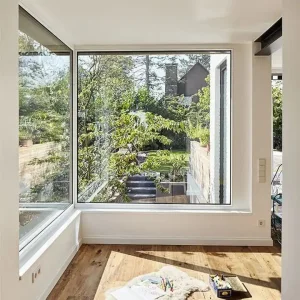
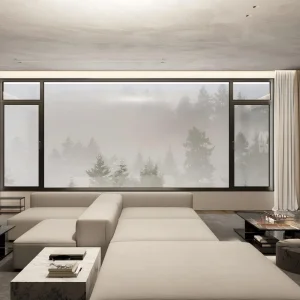
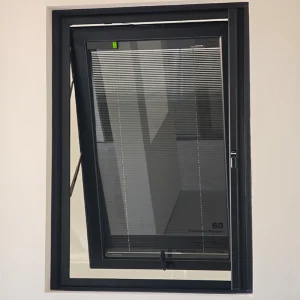
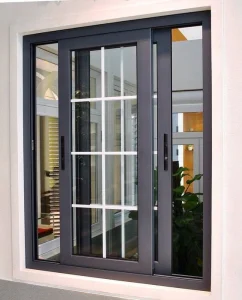
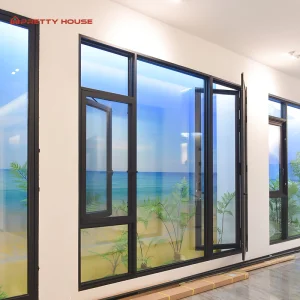
Explore our elite collection of architectural aluminum framing systems, heavy-duty sliding partitions, and premium glazed units engineered for custom high-end projects.
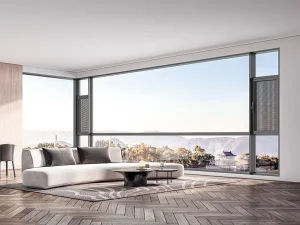
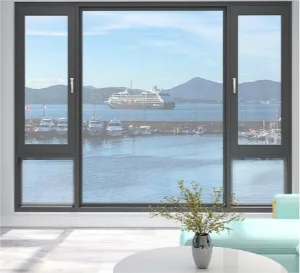
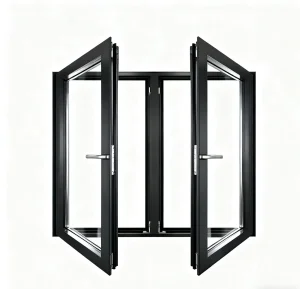
The global construction and interior architecture sectors are undergoing an unprecedented material transition. In modern high-end bathroom environments and wet-room systems, traditional plastics, lower-grade stainless steels, and heavy brass are rapidly being replaced by advanced aluminum alloy systems. As modern luxury design pivots toward minimalist, frameless, and ultra-durable configurations, structural aluminum components have become the primary medium to support heavy tempered glazing while enduring demanding chemical and moisture exposures.
This macro-level evolution is driven by several key factors. First, aluminum's superior strength-to-weight ratio allows for slim, low-profile designs that maximize natural light transmission without compromising structural rigidity. Second, advanced surface engineering—such as specialized architectural powder coatings and multi-stage anodization—enables components to withstand continuous moisture, abrasive cleaning agents, and high ambient humidity. Additionally, aluminum is highly recyclable, aligning with modern green building standards (such as LEED and BREEAM) that demand a circular economy framework for materials.
Information Gain Insight: While many suppliers treat window hardware and interior bathroom structural framing as disparate products, leading manufacturers leverage unified metallurgical lines. High-purity 6063-T5 aluminum extruded for heavy structural glass curtain walls represents the exact same alloy and structural grade required for premium bathroom channels, dynamic sliding partitions, and premium moisture-resistant fenestration.
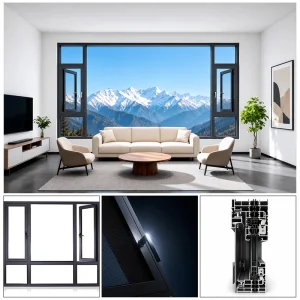
Architects demand ultra-slim sightlines. Structural structural aluminum handles dynamic loads while keeping profiles below 20mm for clean glass integrations.
Multi-stage electrochemical anodization creates an impenetrable oxide layer that prevents filiform corrosion in high-humidity zones.
Up to 95% post-industrial aluminum recycling loops reduce embodied carbon metrics, critical for large commercial green building bids.
For global project developers, wholesale buyers, and hotel procurement managers, selecting an aluminum manufacturer goes far beyond acquiring metal profiles. Procurement teams operate under strict risk-mitigation frameworks, requiring suppliers who can offer custom dimensions, consistent alloy quality, stable lead times, and comprehensive compliance certifications.
The primary concern in international procurement is quality variance. Inconsistent extrusion processes lead to mechanical micro-cracks, variations in wall thickness, and uneven anodization. When shipping structural glass partition systems or high-performance fenestration worldwide, even a 0.5mm deviation can cause installation failures onsite. Hence, tier-1 procurement strategies mandate working with vertically integrated manufacturers who control everything from billet homogenization to final product assembly.
| Procurement Parameter | Common Market Constraints | Advanced OEM/ODM Solutions |
|---|---|---|
| Alloy Consistency | Recycled scrap with impurities leading to weak points | Certified prime 6063-T5 aluminum billets with full trace tracking |
| Surface Resilience | Premature peeling or bubbling under chemical cleaners | Electrostatic powder coating & high-micron anodizing (AAMA 2604/05) |
| Dimensional Precision | Tolerance variances exceeding ±0.8mm leading to glass leakage | CNC processing centers achieving strict tolerances within ±0.2mm |
| Compliance Verification | Lack of formal performance testing reports | Full laboratory testing for wind loads, water penetration, and thermal U-factors |
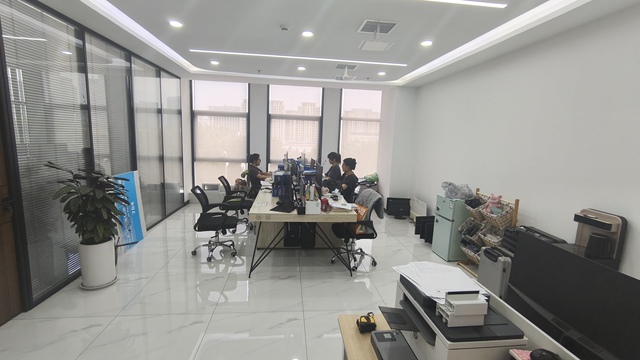
Foshan ORM Windows Co., Ltd. is a professional aluminum window manufacturer located in Foshan, Guangdong, China, one of the country's leading centers for architectural aluminum production and building materials manufacturing. Established in 2011, the company specializes in the design, engineering, manufacturing, and export of high-performance aluminum window systems for residential, commercial, and architectural projects worldwide.
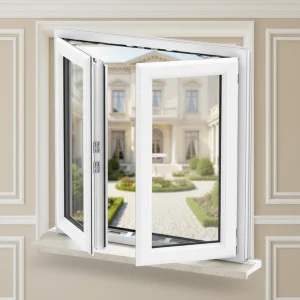
With a modern manufacturing facility covering more than 20,000 square meters and a team of over 280 skilled employees, ORM Windows is dedicated to providing reliable, energy-efficient, and aesthetically appealing window solutions. The company's product portfolio includes aluminum casement windows, sliding windows, awning windows, fixed windows, tilt-and-turn windows, thermal break window systems, double-glazed windows, and customized architectural window solutions designed to meet diverse building requirements.
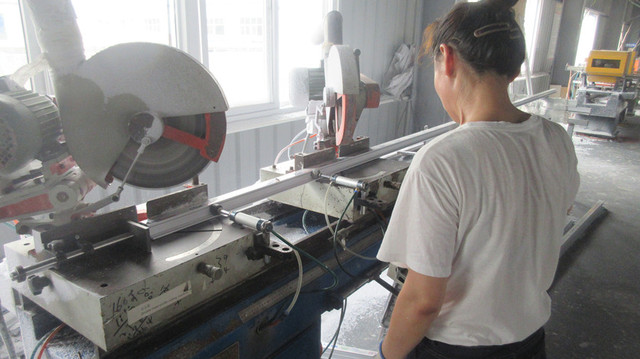
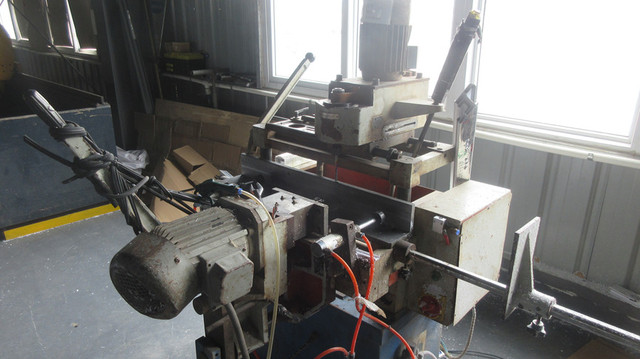
ORM Windows integrates advanced production equipment, precision fabrication technology, and strict quality management procedures throughout every stage of manufacturing. From aluminum profile processing and glass assembly to hardware installation and final inspection, every product is produced to ensure durability, weather resistance, thermal performance, and long-term reliability.
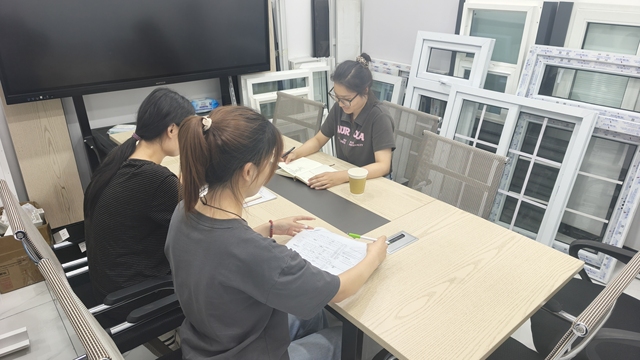
Supported by an experienced engineering and product development team, the company offers comprehensive OEM and ODM services, including customized dimensions, frame finishes, glazing options, hardware configurations, and private-label manufacturing. These flexible solutions enable builders, developers, distributors, and project contractors to meet specific market and project demands.
Serving customers across North America, Europe, the Middle East, Southeast Asia, Australia, and other international markets, Foshan ORM Windows Co., Ltd. has established a reputation for quality manufacturing, professional service, and dependable delivery. The company remains committed to providing innovative aluminum window solutions that enhance modern architecture while supporting sustainable and energy-efficient building development worldwide.
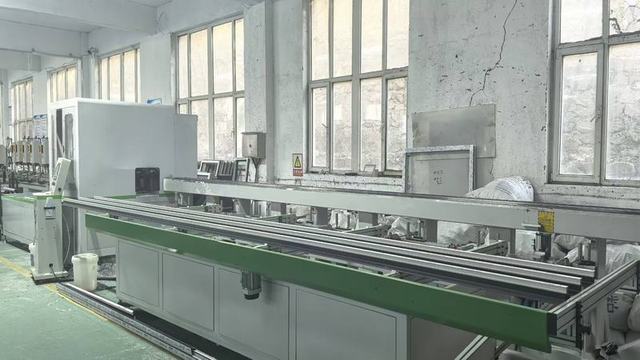
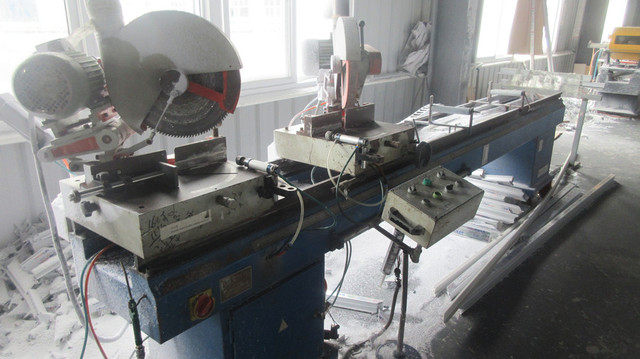
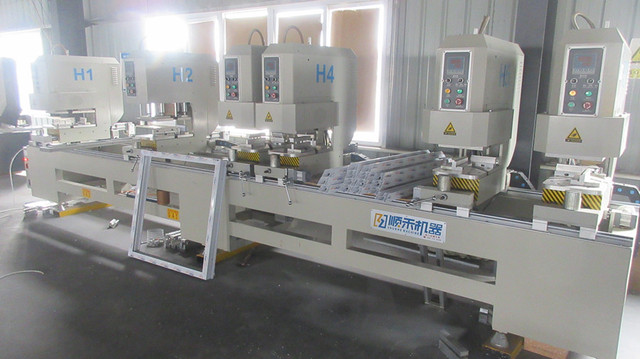
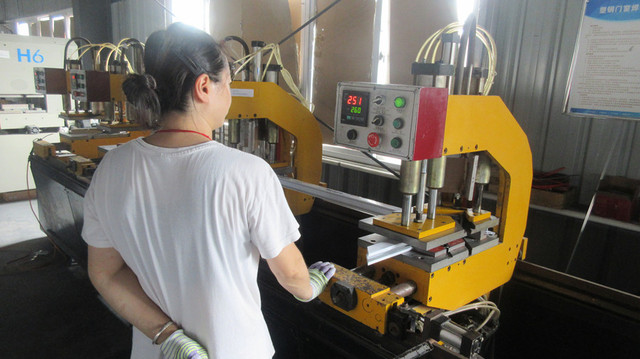
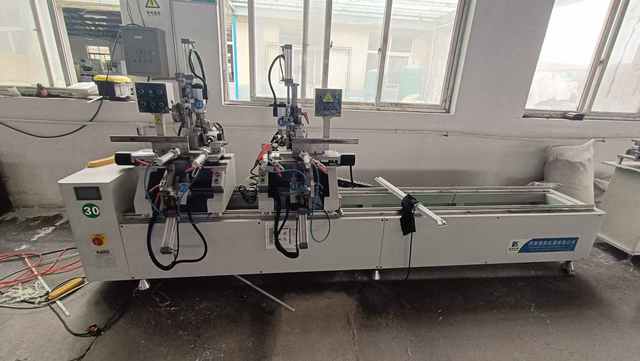
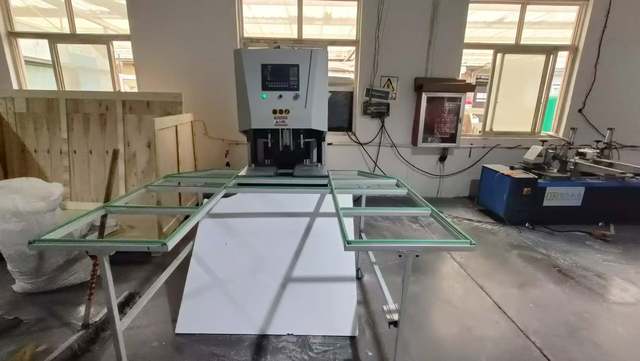
The performance of structural aluminum components hinges on precise material treatments. Wet bathroom spaces expose fixtures to continuous humidity, heat, and chemical agents from cleansers. Without precise surface treatment, raw aluminum is vulnerable to corrosion and cosmetic degradation.
ORM Windows employs advanced architectural anodizing and powder coating techniques to ensure exceptional resistance. During anodization, the aluminum undergoes controlled electrochemical oxidation, growing a durable, integrated protective layer. For high-humidity installations, we maintain a minimum anodizing thickness of 15 microns. This protective layer becomes part of the metal itself, eliminating risks of peeling, chipping, or flaking under heavy daily use.
For custom color requirements, our automated powder-coating lines apply electrostatic polyester formulations cured at 200°C. This process creates a dense, non-porous finish resistant to scratching, UV fading, and moisture ingress, guaranteeing long-term durability and aesthetic consistency.
Developing products for international markets requires strict adherence to localized performance standards. Architectural projects in the US, Europe, and Australia must comply with precise structural, acoustic, and thermal criteria before products can be approved for onsite installation.
ORM Windows engineers our systems to meet and exceed global benchmark specifications:
A structural glass or window system is only as reliable as its dynamic hardware and seal profiles. ORM Windows utilizes high-performance hardware systems—including heavy-duty friction hinges, multi-point lock mechanisms, and precision roller assemblies—to ensure smooth operation over long life cycles.
Our sealing systems rely on EPDM (Ethylene Propylene Diene Monomer) gasket profiles, which offer superior resistance to ozone, UV exposure, and temperature fluctuations compared to standard PVC seals. Double-glazed systems also include dual-seal insulated glass configurations with integrated desiccant spacers, preventing internal condensation and maintaining clear visibility through decades of service.
Technical answers to key structural, metallurgical, and international logistics questions asked by project engineers and procurement managers.
6063-T5 aluminum alloy offers an optimal balance of structural strength, ease of extrusion, and excellent surface finishing properties. The "T5" temper indicates the profile is air-cooled and artificially aged, enhancing its tensile strength and surface hardness. This alloy provides superior resistance to localized corrosion, making it ideal for high-moisture interior and exterior structural framing.
Condensation is prevented through dual-seal technology in our insulated glass units (IGUs). The glass panes are separated by a spacer filled with desiccant (molecular sieve) to absorb internal moisture. The perimeter is sealed with a primary polyisobutylene (PIB) seal to block moisture transmission, followed by a secondary silicone or polyurethane structural sealant for long-term structural integrity.
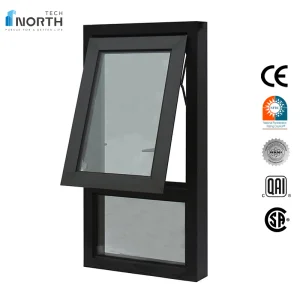
Our Florida-approved hurricane awning and casement windows feature heavier-gauge aluminum walls, reinforced multi-point steel locking hardware, and impact-resistant laminated glass. These systems are tested under ASTM E1886 and E1996 standards to withstand cyclic wind loads and large missile impacts, protecting the building envelope during major storms.
Our engineering team reviews the client's CAD drawings or architectural specifications. We then generate precise fabrication drawings, cross-sections, and structural performance calculations. Once the client approves these specifications, we proceed with die creation, sample extrusion, rigorous laboratory testing, and full production.
We integrate stepped drainage sills with weep holes and one-way valves. This design allows accumulated water to drain freely to the exterior while preventing wind-driven rain from flowing back inside, maintaining a secure seal even in severe storm conditions.
Discover more of our advanced structural designs, soundproof solutions, and thermal-break options tailored for commercial and residential developments.
 ORM Windows