This document serves as an industry-standard technical whitepaper for architects, structural engineers, façade consultants, and commercial procurement departments. It dissects the mechanical properties of acoustic window design, local environmental factors, compliance with international noise isolation standards (such as ASTM, ISO, CE, and NFRC), and the optimization pathways necessary to transform structural glazing into a dynamic acoustic barrier.
Acoustic attenuation in aluminum frame systems is governed by the principles of **Mass-Air-Mass resonance** and **coincidence frequency shifts**. Sound waves strike a glazed surface and cause the pane to vibrate, transferring kinetic energy to the air inside the glazing cavity and finally to the interior pane. Standard double-pane windows, while effective for basic thermal insulating purposes, frequently fail to block low-frequency noises (such as heavy traffic or aircraft rumbles) because both panes of equal thickness share the same resonance frequency.
For high-performance applications, PVB (Polyvinyl Butyral) or SGP (SentryGlas Plus) laminated glass layers are mandatory. These elastomeric interlayers act as shear-dampening dampeners, absorbing sound vibration waves and converting them into minute thermal energy. The result is a dramatic increase in the Sound Transmission Class (STC) and Outdoor-Indoor Transmission Class (OITC) ratings.
| Glazing Configuration | Overall Thickness | Acoustic Interlayer | Est. STC Rating | Primary Mitigation Frequencies |
|---|---|---|---|---|
| Single Glass (6mm Tempered) | 6mm | None | 28 - 30 dB | High frequencies only (birds, light conversation) |
| Standard IGU (6mm + 12Argon + 6mm) | 24mm | None | 32 - 34 dB | Mid frequencies (general street noise) |
| Asymmetrical IGU (8mm + 12Air + 6mm) | 26mm | None | 36 - 38 dB | Medium to high traffic noise, mechanical vibrations |
| Laminated Acoustic Glazing (6mm + 1.52PVB + 6mm) | 13.52mm | Acoustic PVB | 39 - 41 dB | Heavy urban noise, rail networks |
| Dual-Cavity Laminated IGU (6mm + 12Ar + 4mm + 0.76PVB + 4mm) | 26.76mm | Acoustic PVB | 42 - 45 dB | Airport zones, high-density arterial highways |
| Engineered Triple-Glazed System (Secondary Frame) | 48mm+ | Multi-Layer PVB | 46 - 48+ dB | Industrial boundary walls, severe acoustic isolation needs |
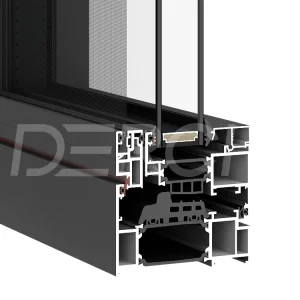
While the glass components represent the majority of the window surface area, the aluminum framing itself can be a major structural sound path. Aluminum is a low-density, highly rigid metal, meaning raw extrusions conduct sound vibrations effectively. Top-tier soundproof aluminum window suppliers resolve this structural problem using three primary technologies:
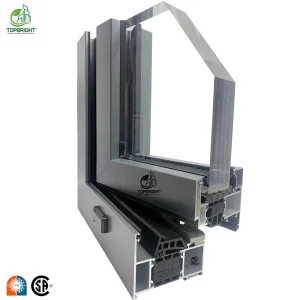
Thermal break profiles do not just stop thermal exchange—they serve as structural isolators. By inserting a multi-chambered polyamide strut between the interior and exterior aluminum sections, the path of mechanical sound wave conduction is broken, significantly reducing transmission.
Air leakage path equals sound leakage path. Standard brush seals allow sound to bypass the window. Heavy-duty soundproof configurations utilize multi-point compression EPDM gaskets that form an airtight seal when locked into position.
Inside the aluminum profile, a multi-chamber design is engineered to trap sound waves. By altering chamber dimensions, manufacturers can target specific noise frequencies, absorbing structural vibrations before they reach the interior.
The application of soundproof aluminum windows spans residential luxury high-rises, commercial offices near critical infrastructure, and specialized industrial control spaces. Let us examine how the acoustic specifications vary by location and type:
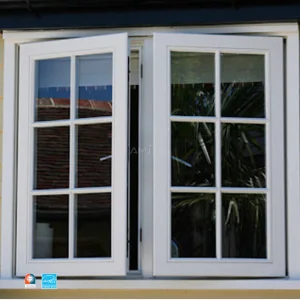
Modern luxury apartments require quiet interiors to command top pricing. For projects near railways, busy roads, or retail districts, installers utilize casement configurations featuring double or triple glazing with acoustic interlayers, reducing interior noise levels down to a comfortable 30–35 dB.
Proximity to runways requires heavy-duty performance. High-impact glass configurations with SGP or PVB laminates provide structural strength against wind load pressures, coupled with maximum decibel attenuation. Often, dual window setups are deployed to ensure guest comfort.
Inside heavy machinery factories or processing plants, sound levels frequently exceed 85 dB. Soundproof control room windows must utilize structural aluminum frames with specialized acoustic glass configurations to protect monitoring teams from occupational noise-induced hearing loss.
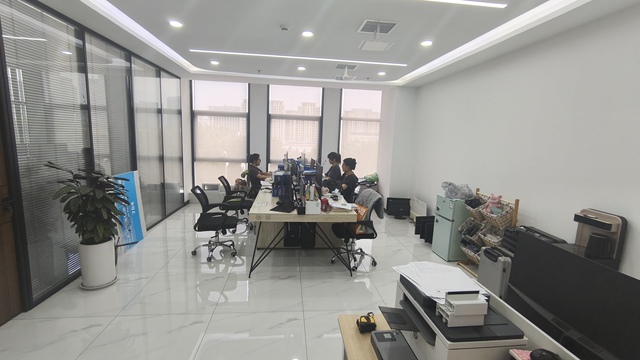
Foshan ORM Windows Co., Ltd. is a professional aluminum window manufacturer located in Foshan, Guangdong, China, one of the country's leading centers for architectural aluminum production and building materials manufacturing. Established in 2011, the company specializes in the design, engineering, manufacturing, and export of high-performance aluminum window systems for residential, commercial, and architectural projects worldwide.
With a modern manufacturing facility covering more than 20,000 square meters and a team of over 280 skilled employees, ORM Windows is dedicated to providing reliable, energy-efficient, and aesthetically appealing window solutions. The company's product portfolio includes aluminum casement windows, sliding windows, awning windows, fixed windows, tilt-and-turn windows, thermal break window systems, double-glazed windows, and customized architectural window solutions designed to meet diverse building requirements.
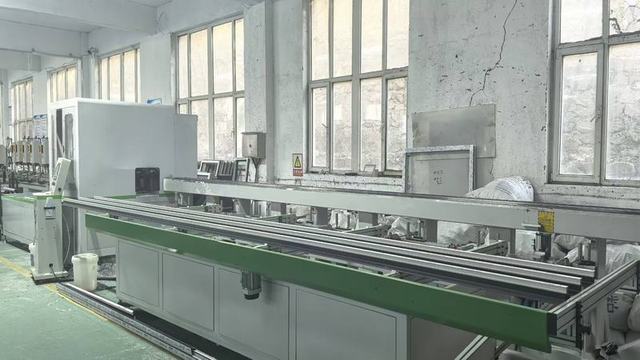
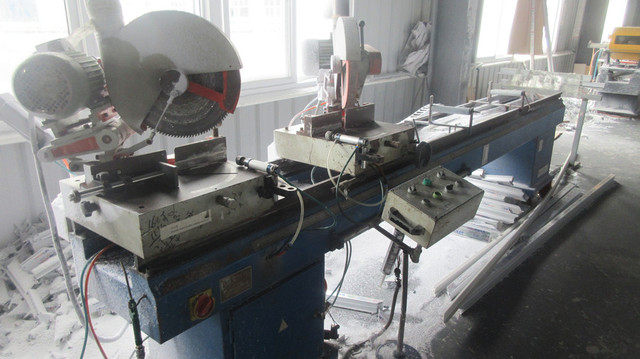
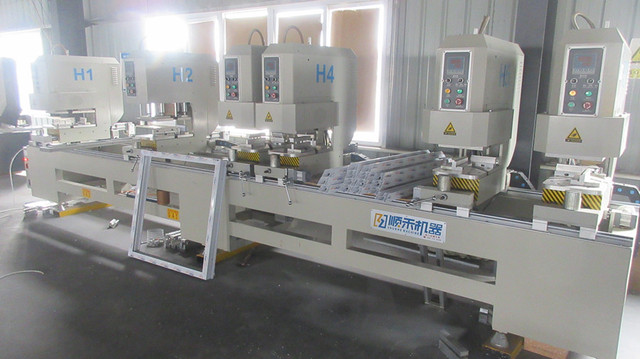
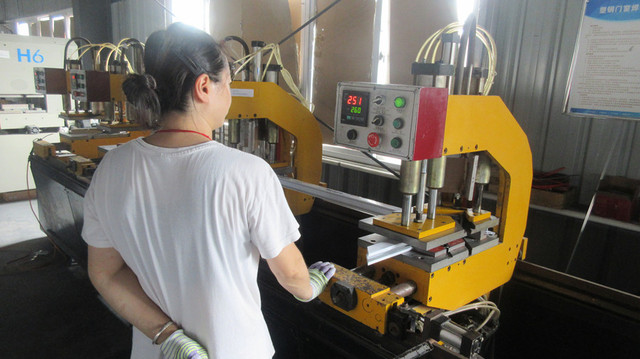
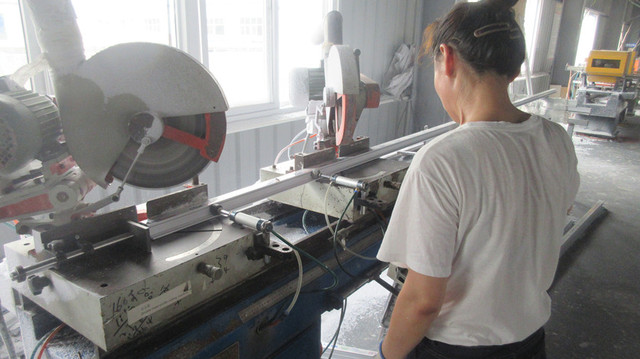
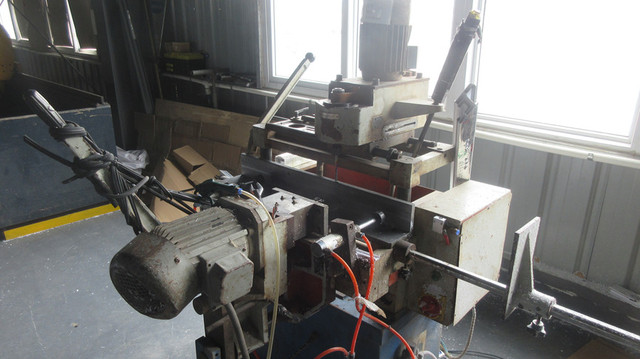
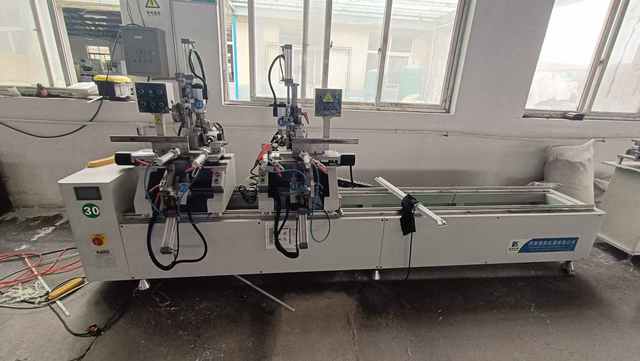
ORM Windows integrates advanced production equipment, precision fabrication technology, and strict quality management procedures throughout every stage of manufacturing. From aluminum profile processing and glass assembly to hardware installation and final inspection, every product is produced to ensure durability, weather resistance, thermal performance, and long-term reliability.
Supported by an experienced engineering and product development team, the company offers comprehensive OEM and ODM services, including customized dimensions, frame finishes, glazing options, hardware configurations, and private-label manufacturing. These flexible solutions enable builders, developers, distributors, and project contractors to meet specific market and project demands.
Serving customers across North America, Europe, the Middle East, Southeast Asia, Australia, and other international markets, Foshan ORM Windows Co., Ltd. has established a reputation for quality manufacturing, professional service, and dependable delivery. The company remains committed to providing innovative aluminum window solutions that enhance modern architecture while supporting sustainable and energy-efficient building development worldwide.

As green building standards evolve, the integration of acoustics and thermal efficiency has become the primary benchmark. Over the next decade, technology will transition from traditional heavy insulated glass units (IGUs) toward intelligent, lightweight systems.
Unlike air or argon gas, sound cannot propagate through a vacuum. By using a structural micro-spacer array to maintain a vacuum gap between two panes of glass, manufacturers can achieve high STC ratings with thinner profiles, reducing overall architectural load.
Integrating low-voltage electrochromic layers within laminated acoustic glass allows the window to change its tint dynamically, minimizing HVAC energy costs while providing maximum sound insulation.
Future structural designs prioritize low-carbon profiles. Using recycled primary-grade aluminum reduces carbon footprint by up to 80% while retaining structural rigidity for window systems.
To serve global construction developers, window suppliers must align with region-specific structural certifications. This requires strict quality control processes throughout design and engineering.
Compliance with NFRC (National Fenestration Rating Council) for energy ratings, alongside ASTM E90 for airborne sound transmission loss measurements. Miami-Dade County hurricane impact approvals ensure resilience in coastal environments.
Compliance with CE markings (EN 14351-1), ensuring the windows satisfy European health, safety, and environmental protection guidelines. Sound reduction indices are rated according to EN ISO 140-3 protocols.
Alignment with AS2047 guidelines for structural performance, deflection limits, water penetration resistance, and sound attenuation standards defined by AS/NZS ISO 717.1.
We answer high-intent structural queries regarding the design, logistics, and performance of soundproof aluminum windows.
STC (Sound Transmission Class) focuses primarily on mid-to-high frequency noises, such as human voices and office equipment. OITC (Outdoor-Indoor Transmission Class) is optimized for low-frequency noises like heavy trucks, railways, and airport takeoff sounds. For exterior windows, OITC is often the more relevant performance standard.
Standard double glazing consists of two panes of the same thickness. Sound waves can easily excite the two panes at their shared resonant frequency, passing through the assembly. Laminated glass introduces a soft PVB or SGP interlayer, which acts as a vibration dampener, absorbing the sound waves.
Yes. Standard aluminum frames are highly rigid and act as sound bridges. A polyamide thermal break separates the interior and exterior aluminum sections, disrupting the pathway for physical sound vibrations.
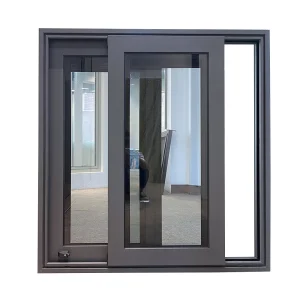
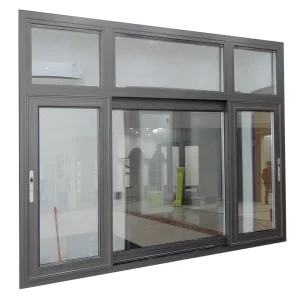
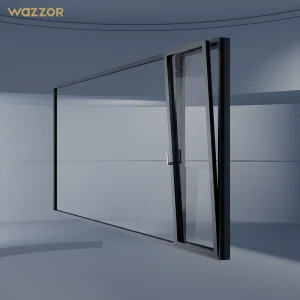
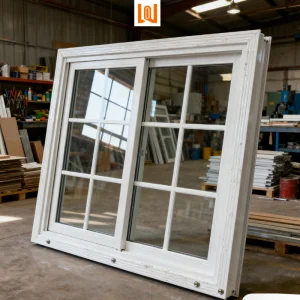
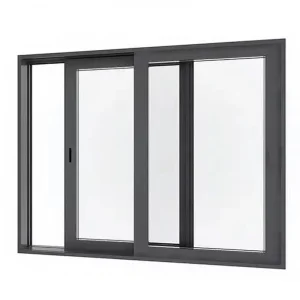
Tilt-and-turn and casement windows offer better acoustic sealing than sliding windows. This is because their lock systems compress the sash directly onto rubber gaskets, whereas sliding windows rely on brush seals which can allow air and sound leaks.
Yes. As a leading manufacturer, ORM Windows provides full OEM and ODM services. We can customize glass thickness, frame finishes, hardware options, and sash dimensions to meet the acoustic performance and design requirements of your project.
 ORM Windows