1. Architectural Fenestration Engineering: Modern Commercial Windows Industry Whitepaper
In contemporary architecture, commercial fenestration systems are no longer viewed as static building enclosures. They represent integrated engineering systems directly influencing building sustainability, thermal optimization, acoustic barrier controls, and structural integrity. Aluminum has emerged as the premier material for structural framing due to its high strength-to-weight ratio, structural versatility, and circular economy compatibility.
Information Gain Strategy: Modern structural engineers and institutional procurers face strict international regulations. This whitepaper analyzes commercial aluminum window engineering, evaluating localized compliance pathways (such as NFRC and CE), the industrial manufacturing efficiency of Foshan's primary aluminum clusters, and procurement workflows for global builders.
Foshan ORM Windows Co., Ltd. — Legacy of Precision Manufacturing
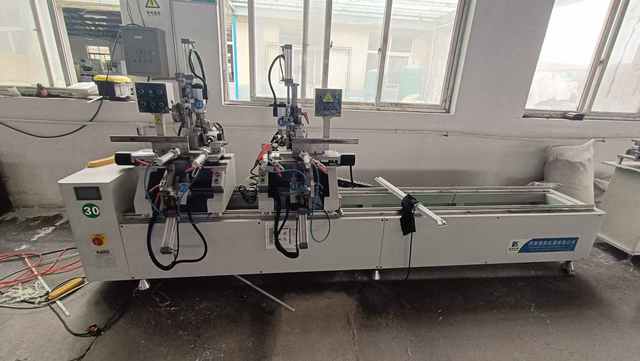
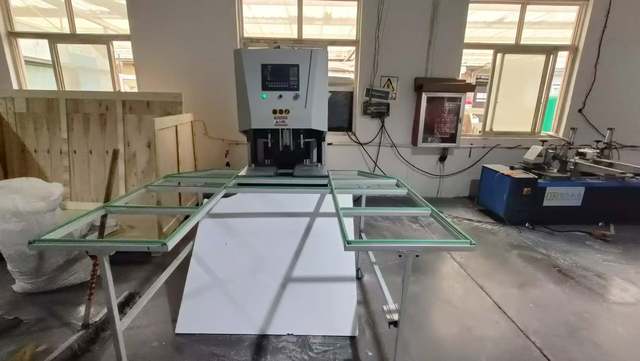
Established in 2011, Foshan ORM Windows Co., Ltd. has grown into a major commercial aluminum window manufacturer based in Foshan, Guangdong Province, China. Foshan is widely recognized as a global hub for architectural aluminum extrusion and structural building materials. Operating a modern facility spanning over 20,000 square meters and employing a team of more than 280 skilled professionals, ORM Windows manages design, structural engineering, manufacturing, and international logistics.
60+
Global Markets Served
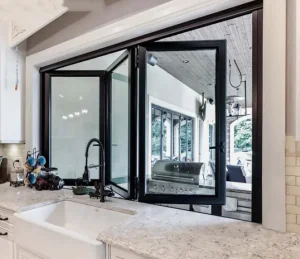
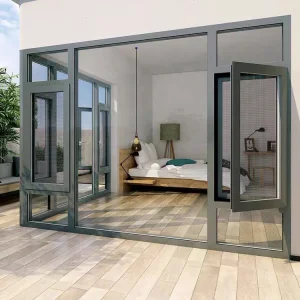
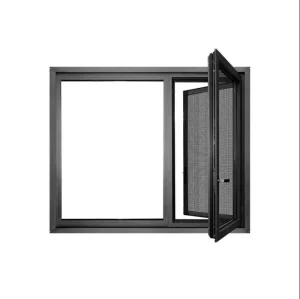
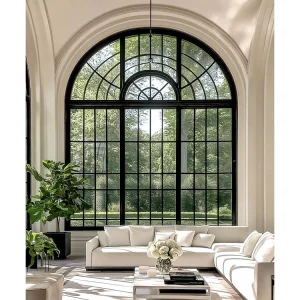
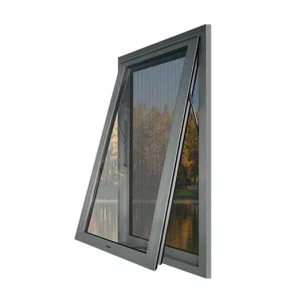
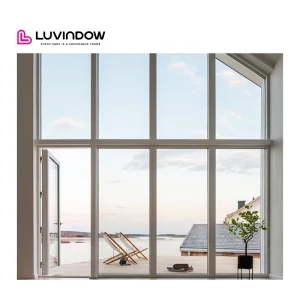
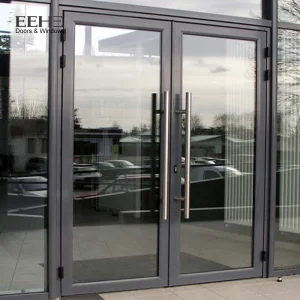
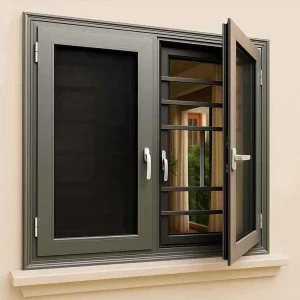
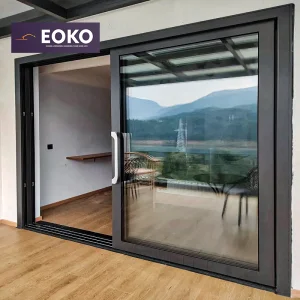
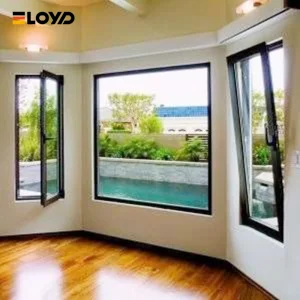
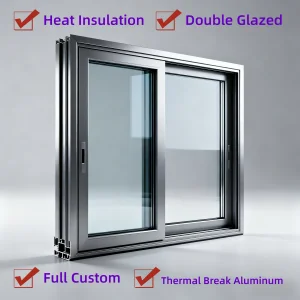
The company’s product line includes high-performance aluminum casement windows, sliding panels, awning systems, structurally glazed fixed windows, and tilt-and-turn configurations. Designed for demanding climates, these products feature multi-chambered polyamide thermal break structural configurations and insulated double- or triple-glazed units.
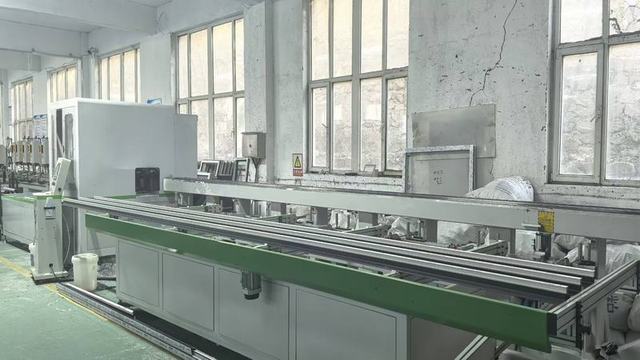
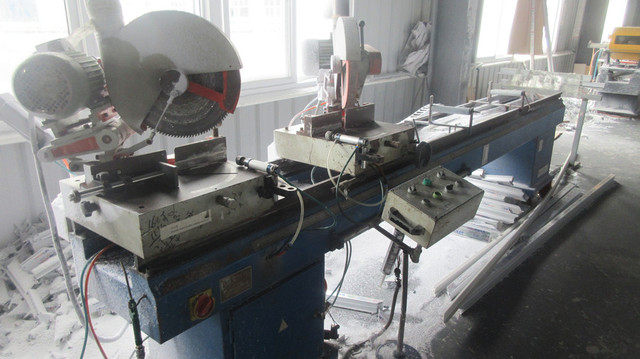
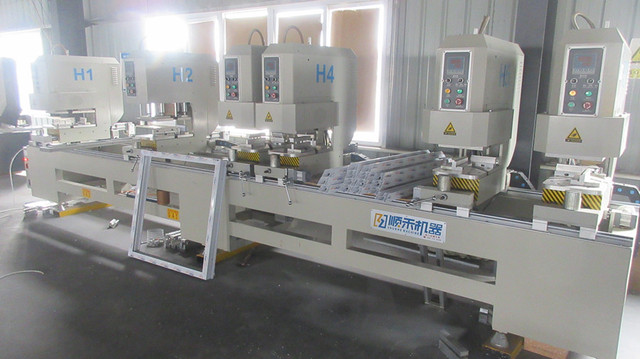
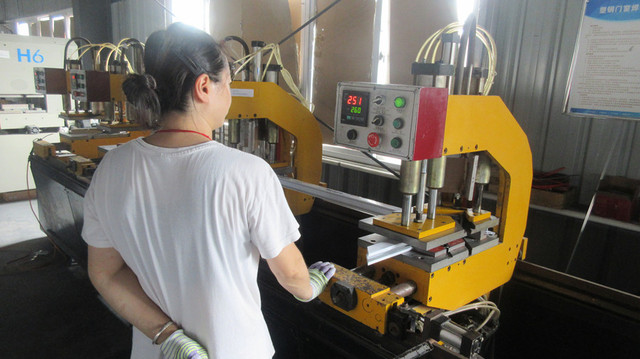
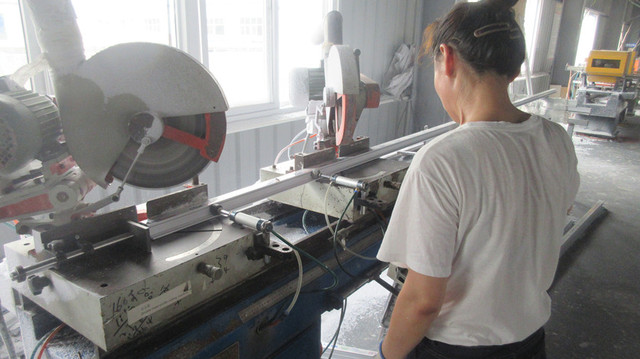
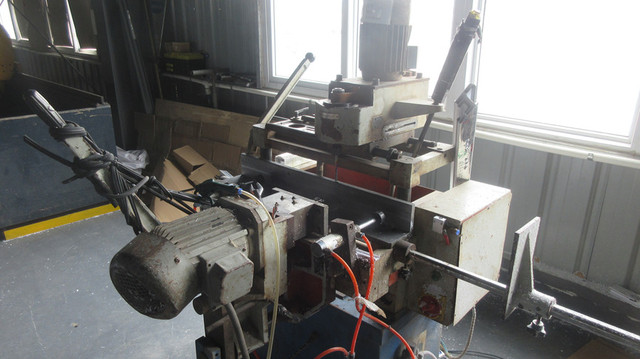
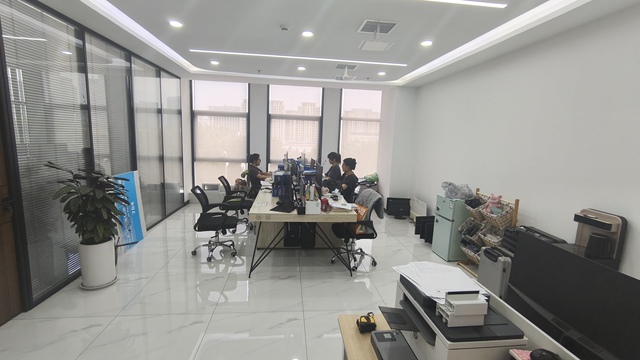
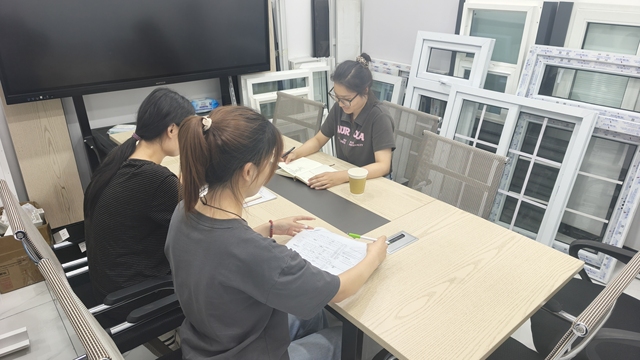
ORM Windows Manufacturing Facility & Quality Assurance Center
2. Global Compliance Frameworks & Regional Localization
Commercial fenestration projects must navigate strict regional regulatory landscapes. To meet global building codes, aluminum profiles and glazing units must comply with specific performance metrics.
North America (NFRC & AAMA)
U-factors and Solar Heat Gain Coefficient (SHGC) ratings verified by the National Fenestration Rating Council. Frame structural integrity matches AAMA standards for heavy commercial (HC) rating criteria.
European Union (CE - EN 14351-1)
Mandatory CE marking verifying wind resistance (EN 12210), water tightness (EN 12208), air permeability (EN 12207), and compliance with European safety regulations.
Australia & Oceania (AS2047)
Structural deflection, air infiltration, and water penetration tests matching AS2047 and AS1288 glazing safety standards, essential for high wind loads.
Technical Performance Matrix
To guide architectural specifications, the table below outlines target parameters for commercial-grade aluminum windows:
| Performance Characteristic |
Test Standard |
Target Specification Range |
Engineering Value |
| Thermal Transmittance (U-Value) |
ISO 10077-2 / NFRC 100 |
1.1 to 1.8 W/m²·K |
Reduces energy transfer, improving HVAC efficiency. |
| Acoustic Isolation (STC / OITC) |
ASTM E90 / ASTM E1332 |
35 dB to 48 dB (with laminated glass) |
Blocks exterior noise in dense urban environments. |
| Design Pressure (DP) / Wind Load |
ASTM E330 / AS 4055 |
DP 50 to DP 90+ (up to 4500 Pa) |
Ensures stability in high-rise and coastal areas. |
| Water Penetration Resistance |
ASTM E331 / EN 1027 |
300 Pa to 700 Pa (Zero leakage) |
Prevents moisture intrusion during severe rainstorms. |
3. Supply Chain Optimization: The Foshan Industrial Edge
The efficiency of manufacturing commercial fenestration is heavily dependent on supply chain density.
Producing in Foshan, Guangdong provides key advantages for global developers and procurement departments:
- Raw Material Ecosystem: Local access to 6063-T5 and 6063-T6 primary aluminum billets ensures consistent chemical composition, mechanical properties, and structural stability.
- Integrated Surface Finishing: Direct access to advanced surface treatments, including fluorocarbon (PVDF) electrostatic coatings, architectural powder coatings (Interpon, Tiger Drylac), and chemical anodizing lines.
- Precision Tooling & Extrusion: Custom mold engineering allows for rapid prototyping of complex mullion geometries, meeting specific structural requirements.
- Eco-Friendly Manufacturing: Local factories use reclaimed clean energy systems and secondary aluminum refining to reduce carbon emissions, helping projects earn LEED and BREEAM certifications.
4. Procurement Optimization for Global Enterprises
B2B buyers face challenges such as lead-time fluctuations, tariff compliance, structural certification risk, and shipping damage. A structured procurement process is essential to keep projects on track.
Shop Drawing Integration
CAD and BIM modeling ensure structural plans align perfectly with field conditions, minimizing installation discrepancies.
Factory Acceptance Testing
Pre-shipment verification of structural, air-tightness, and water-resistance metrics using specialized testing rigs.
A-Grade Export Packing
Heavy-duty steel-crated packaging with vacuum-sealed desiccant and foam protection secures products during sea transit.
5. Advanced Trends in Commercial Fenestration Engineering
Building codes are placing greater emphasis on reducing operational carbon footprint. Innovation in the fenestration sector focuses on three main areas:
Polyamide Thermal Barrier Technology
Older aluminum windows conducted heat quickly due to the high thermal conductivity of the metal. Modern commercial systems solve this with structural polyamide barriers (typically reinforced with 25% glass fiber). These thermal breaks isolate the interior and exterior aluminum profiles, reducing heat conduction and minimizing heating and cooling loads.
High-Performance Glazing Units
Modern facades rely on high-performance glazing. Double- and triple-glazed configurations use low-emissivity (Low-E) coatings, argon or krypton gas fills, and warm-edge spacers. This combination blocks solar radiation in summer while retaining interior heat during winter.
6. Scenario-Based Design & Application Cases
Choosing the right fenestration system depends on the specific demands of the project's location and building type.
- Urban Commercial Offices: Prioritize structural stability and high acoustic insulation (STC 42+) to block street-level noise. High-performance Low-E coatings control solar gain on large glass facades.
- Healthcare & Educational Facilities: Focus on natural ventilation, safety glass configurations, and tilt-and-turn functionality to allow secure air circulation.
- Coastal & Hurricane-Prone Regions: Require heavy-duty, laminated glass systems and structural frames rated for high wind speeds (DP 80+). These systems protect the building envelope from windborne debris and water ingress.
7. Frequently Asked Questions (FAQ)
What structural grade profiles are used in commercial aluminum windows? +
We use structural-grade 6063-T5 or 6063-T6 aluminum alloys. These alloys provide the strength needed to support large glass units and withstand high wind pressures in commercial installations.
How do thermal breaks improve energy efficiency? +
Thermal breaks use reinforced polyamide struts to separate the inner and outer aluminum frames. This separation stops heat from moving through the metal, helping buildings maintain comfortable indoor temperatures and lowering energy costs.
Do your windows meet North American and European standards? +
Yes, our systems are designed to meet major global standards, including NFRC (thermal performance) and AAMA (structural performance) for North America, CE certifications (EN 14351-1) for Europe, and AS2047 for Australia.
What is the typical lead time for custom commercial orders? +
Lead times range from 30 to 45 days. This includes drawing approval, mold extrusion adjustments, surface treatment, glass sourcing, structural assembly, and testing.
How are products protected against corrosion in coastal areas? +
We apply PVDF coatings or marine-grade powder coatings that meet AAMA 2605 specifications. These finishes protect frames against salt spray, UV degradation, and corrosion.
 ORM Windows