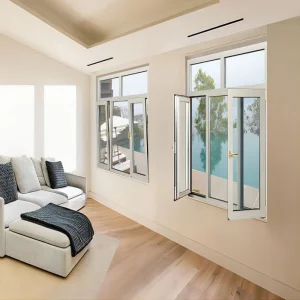
Discover our engineered range of aluminum tilt & turn systems designed for commercial structural resilience, high-rise safety, and architectural elegance.
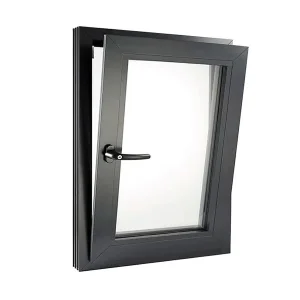
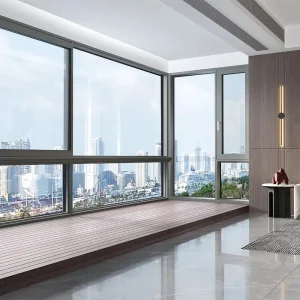
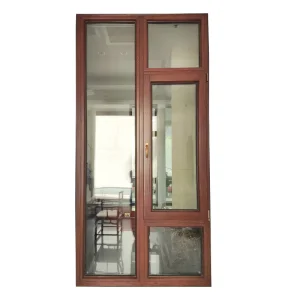
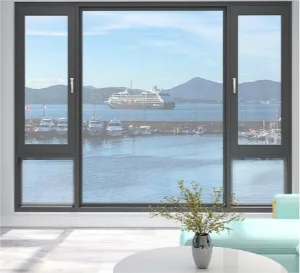
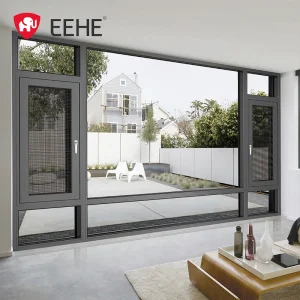
The global demand for high-performance architectural glazing has experienced a paradigm shift, transitioning from basic barrier assemblies to highly engineered energy-producing and conserving envelopes. At the forefront of this evolution is the Aluminum Tilt and Turn Window system. Originating in Europe to satisfy rigorous German DIN standards for structural tightness and multi-directional ventilation, this design has now captured the premium segment of North American, Middle Eastern, and Asia-Pacific architectural sectors.
Unlike traditional sliding or double-hung windows that suffer from rapid seal degradation, the tilt and turn mechanism relies on compression gaskets compressed by multi-point lock pins. In regions subject to climatic extremes—such as the coastal hurricanes of Florida, the sub-zero winters of Canada, or the scorching desert storms of Riyadh—this design prevents draft intrusion, particulate migration, and structural water damage.
As international construction codes enforce lower overall building carbon footprints, specifying thermal-break aluminum structures has evolved from an option to a regulatory necessity. Tilt and turn systems serve as the structural anchor for low-E triple glazing, contributing directly to satisfying Passive House standards, LEED Gold/Platinum scores, and Net Zero Energy Building (NZEB) classifications worldwide.
From a technical standpoint, the efficacy of an aluminum tilt and turn system is determined by the quality of its Thermal Break technology. Raw aluminum, while offering unrivaled structural strength-to-weight ratios, possesses high thermal conductivity. To prevent thermal bridging, ORM windows employ an insulated barrier—typically a 24mm to 35mm Polyamide 66 reinforced with 25% glass fiber (PA66-GF25) strip—extruded directly between the inner and outer aluminum profiles.
This barrier isolates the interior environment from exterior extremes, yielding outstanding U-values. The system's performance is further elevated through:
Multiple continuous perimeter seals made from high-density ethylene propylene diene monomer (EPDM) to prevent air filtration and maintain acoustic dampening limits over decades of operation.
Strategically positioned locking cams that pull the window sash firmly against the dual-level compression seals when locked, providing structural resistance against negative wind load pressures in high-rise applications.
Leveraging advanced manufacturing technologies, raw-material integration, and strict quality controls to deliver architectural solutions globally.
Foshan ORM Windows Co., Ltd. is a professional aluminum window manufacturer located in Foshan, Guangdong, China, one of the country's leading centers for architectural aluminum production and building materials manufacturing. Established in 2011, the company specializes in the design, engineering, manufacturing, and export of high-performance aluminum window systems for residential, commercial, and architectural projects worldwide.
With a modern manufacturing facility covering more than 20,000 square meters and a team of over 280 skilled employees, ORM Windows is dedicated to providing reliable, energy-efficient, and aesthetically appealing window solutions. The company's product portfolio includes aluminum casement windows, sliding windows, awning windows, fixed windows, tilt-and-turn windows, thermal break window systems, double-glazed windows, and customized architectural window solutions designed to meet diverse building requirements.
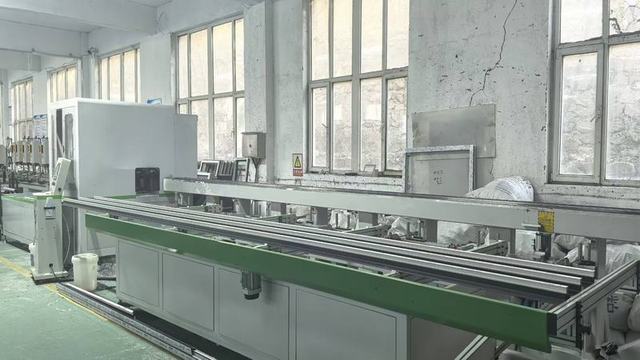
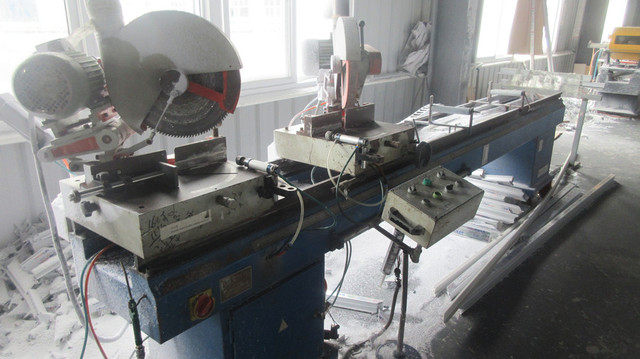
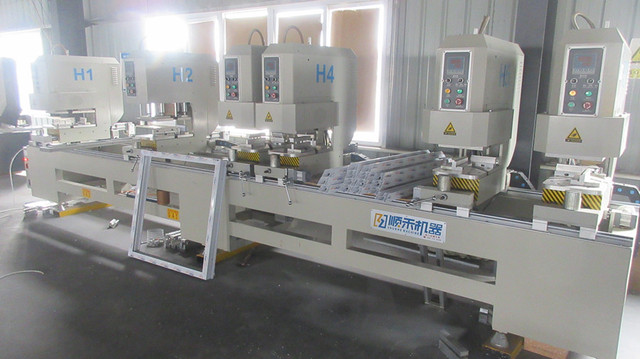
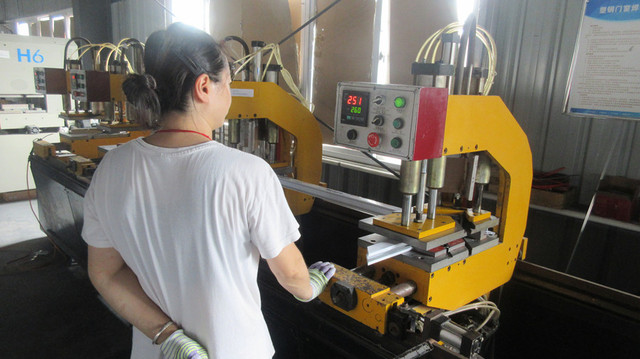
ORM Windows integrates advanced production equipment, precision fabrication technology, and strict quality management procedures throughout every stage of manufacturing. From aluminum profile processing and glass assembly to hardware installation and final inspection, every product is produced to ensure durability, weather resistance, thermal performance, and long-term reliability.
Supported by an experienced engineering and product development team, the company offers comprehensive OEM and ODM services, including customized dimensions, frame finishes, glazing options, hardware configurations, and private-label manufacturing. These flexible solutions enable builders, developers, distributors, and project contractors to meet specific market and project demands.
Serving customers across North America, Europe, the Middle East, Southeast Asia, Australia, and other international markets, Foshan ORM Windows Co., Ltd. has established a reputation for quality manufacturing, professional service, and dependable delivery. The company remains committed to providing innovative aluminum window solutions that enhance modern architecture while supporting sustainable and energy-efficient building development worldwide.
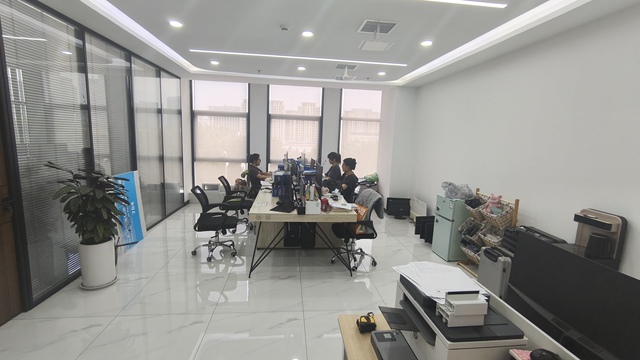
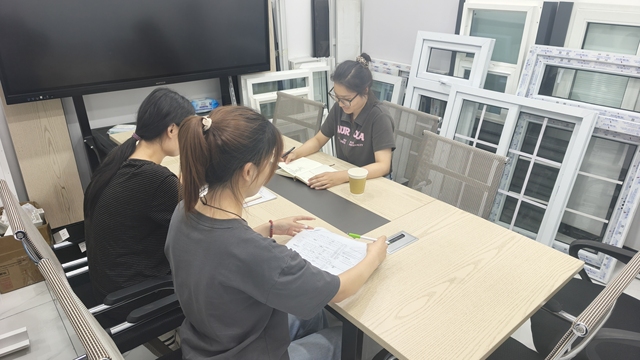
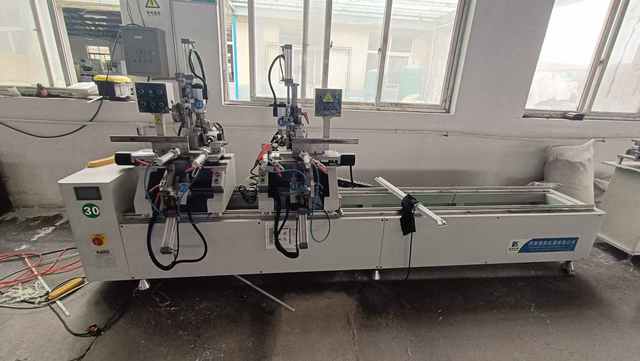
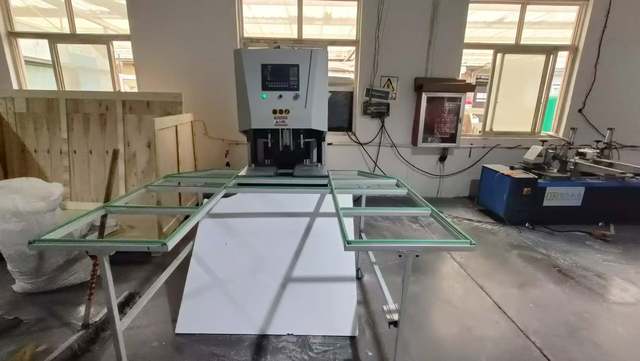
Understanding why the industrial clusters of Guangdong deliver unrivaled supply-chain resilience, precision manufacturing, and cost-efficiency.
Foshan acts as the world's most concentrated cluster for architectural aluminum profiles, surface treatment facilities, and advanced hardware manufacturing. This spatial concentration eliminates intermediate logistical lags and drives material sourcing costs down, allowing for significant premium hardware integration without inflating the final window unit cost.
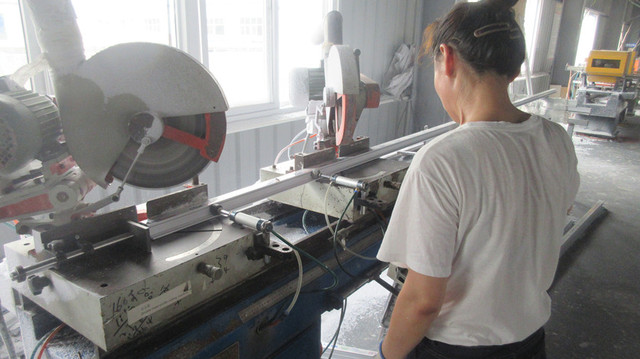
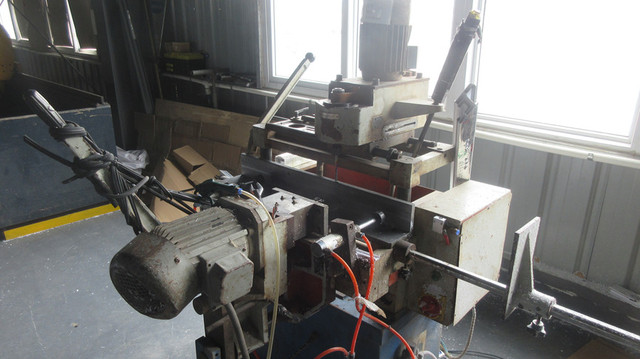
By shifting from manual cutting to multi-axis computer numerical control (CNC) machining centers, ORM ensures double-miter cuts within tolerances of ±0.5mm. This micro-precision is vital to achieving absolute corner alignment, which prevents structural failures and air drafts in high-pressure installations.
Every batch of profiles undergoes mechanical tensile strength tests, finish adhesion tests (cross-hatch testing), and water-resistance chamber evaluations. This operational diligence underpins the CSA and CE certifications, validating the export quality that professional builders demand.
How our customized architectural glass designs are tailored for specific structural, safety, and climatic expectations in key target territories.
In the United States and Canada, tilt and turn windows are configured with heavy-gauge aluminum profiles and multi-pane laminated glazing units. High-velocity hurricane zones (HVHZ) require testing against wind load pressures and structural impact forces. ORM's double and triple-glazed systems satisfy CSA Certification standards, ensuring compliance with local architectural codes while delivering low-E thermal ratings that keep interior HVAC systems optimized in both severe cold and hot weather zones.
With strict guidelines focusing on high thermal efficiency and airtightness, the European market calls for Uw levels below 0.8 W/m²K. ORM matches this demand by integrating wide multi-chambered thermal breaks, warm-edge spacers, and triple-glazing with premium argon gas insulation. The inward-swing functionality also integrates cleanly into compact urban designs, matching the need for localized ventilation and easy maintenance inside high-rise residential properties.
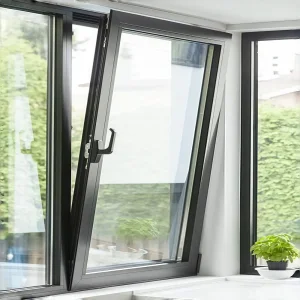
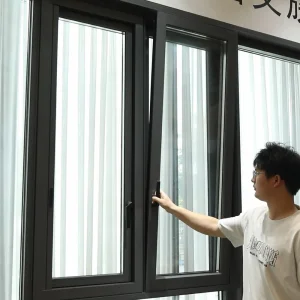
For modern apartments and high-density educational facilities, perimeter safety is paramount. The tilt position of the system allows for safe, high-volume ventilation from the top edge of the sash, preventing fall hazards while ensuring natural air circulation. When configured with soundproof glazing layers, these window assemblies reduce noise levels by up to 45dB, making them perfect for schools and apartments near main transit corridors.
For schools, hospitals, and child-care centers, windows are equipped with "tilt-before-turn" hardware and lockable handles. In these systems, a key is required to turn the handle past 90 degrees (which would swing the window fully open), while any user can freely turn the handle to the first detent for safe, top-tilt ventilation. This hardware configuration provides robust physical security while ensuring building occupants remain safe from accidental falls.
The technological forces shaping the future of architectural glazing systems globally.
Modern architectural aesthetics favor minimalist profiles that maximize glass area. ORM's R&D department continues to optimize structural frame profiles, delivering ultra-slim options that retain their mechanical load-bearing capacity and wind-load performance.
Smart homes and commercial building automation systems require smart hardware. We are developing systems compatible with motorized actuators, wind/rain sensors, and electronic locks to allow automated opening and closing based on climate parameters.
Sustainability is shifting purchasing behaviors. We use low-carbon recycled aluminum profiles and green finishing processes, reducing energy consumption during raw material extraction and throughout the life cycle of the window system.
A professional reference guide for procurement officers, developers, and project engineers managing major structural acquisitions.
Procuring custom aluminum windows from China factories requires a clear understanding of testing protocols and shipping logistics. B2B buyers must specify exact performance thresholds during the initial quoting phase:
Ensure profiles are made from structural-grade aluminum alloys, such as 6063-T5 or 6063-T6. For window frames, a minimum wall thickness of 1.4mm is required for residential projects, while commercial high-rise applications often mandate 1.8mm to 2.2mm profiles to handle heavy wind pressures and high dead loads.
Surface treatments must be selected based on local weather conditions. For high-humidity coastal zones, Specify fluorocarbon powder coating (PVDF) conforming to AAMA 2605 standards to prevent oxidation and paint degradation. For dry climates, architectural powder coatings meeting AAMA 2604 are generally sufficient.
Specify the assembly of the Insulating Glass Unit (IGU). For high-performance thermal applications, specify double-glazed units (e.g., 6mm Low-E tempered + 12mm Argon gas space + 6mm tempered glass) or triple-glazed units. If building near airports or railways, request laminated safety glass with a high Sound Transmission Class (STC) rating to block low-frequency noise.
Technical answers addressing common questions regarding specifications, applications, and logistics.
Discover more configurations, from double-glazed units to sliding integrations, designed to fit your unique project needs.

 ORM Windows