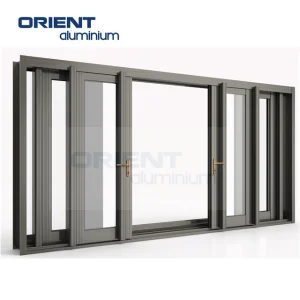
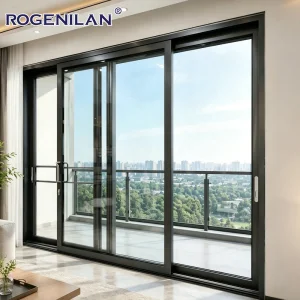
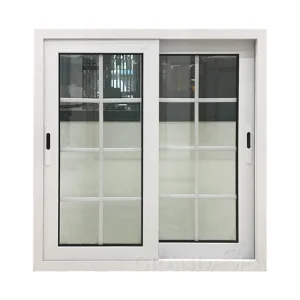
Engineered to satisfy NCC structural, acoustic, and thermal thresholds for premium residential and multi-story applications across NSW.
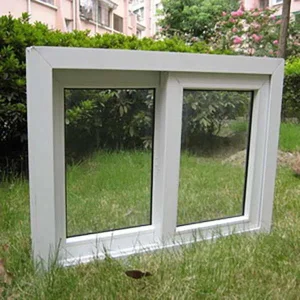
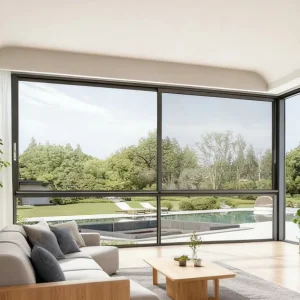
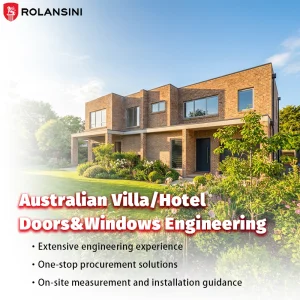
The Sydney building and construction industry is navigating a transformative era marked by stringent updates to the National Construction Code (NCC 2022) and intensified BASIX targets. As architects and developers strive to construct climate-resilient, net-zero carbon structures, the role of premium fenestration systems—specifically heavy-duty aluminum sliding windows—has moved to the forefront. These systems must balance structural rigidity with thermal performance, resisting the salt-laden offshore winds of the coastal suburbs while minimizing interior solar heat gain in the western suburbs.
Aluminum sliding windows have historically dominated Sydney's residential, multi-family high-rise, and light commercial landscapes due to their space-saving ergonomics and sleek aesthetics. However, conventional, non-thermally broken frames are no longer sufficient to meet modern energy constraints. Achieving compliance requires a deep understanding of architectural glass configurations, including double and triple glazing with Low-E (low-emissivity) coatings, and precise frame insulation designs that combat Sydney's fluctuating humid summers and cold winters.
Glazing systems deployed in metropolitan Sydney and coastal NSW must withstand varying structural actions determined by AS/NZS 1170.2. From suburban low-rise developments in Blacktown to cliffside residences in Dover Heights, structural deflection limits (Serviceability Limit State) and ultimate load capacities must be validated via rigorous physical testing under AS2047 protocols.
To successfully market or install aluminum windows in Sydney, suppliers must verify compliance with Australian Standard AS2047 (Windows and external glazed doors in buildings) and AS1288 (Glass in buildings - Selection and installation). AS2047 prescribes strict metrics for structural performance, air infiltration rates, and water penetration resistance.
Furthermore, Australia's harsh solar ultraviolet index accelerates the degradation of inferior frame finishes. Hence, architectural coatings must meet standards like AS3715 for powder coatings or AAMA 2604/2605 to maintain gloss retention and prevent chalking or fading under coastal exposure. By utilizing heavy-duty T5 and T6 structural temper 6063 aluminum alloys, manufacturers can guarantee structural longevity and corrosion resistance, ensuring compliance with local construction codes.
| Parameters | Standard Requirements (AS2047) | ORM Windows Specs |
|---|---|---|
| Wind Load (SLS) | Up to 1500 Pa (dependent on region) | Custom engineered up to 3000 Pa |
| Water Penetration | Minimum 150 Pa for residential | Exceeds 450 Pa (high performance) |
| Air Infiltration | < 5.0 L/s/m² for air-conditioned spaces | < 1.0 L/s/m² (Highly sealed joints) |
| Bushfire Rating | BAL-12.5 to BAL-40 / FZ | Custom systems rated up to BAL-40 |
Precision-engineered structural profiles featuring high-efficiency thermal barriers, designed to withstand intense sun, coastal storms, and urban noise.
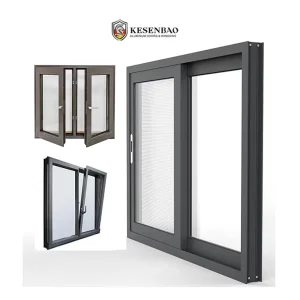
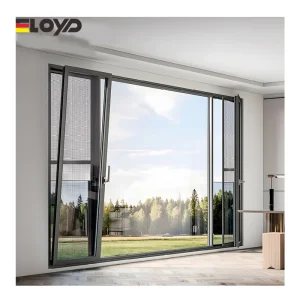
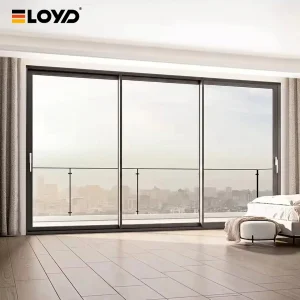
The global window industry is shifting rapidly toward carbon neutrality, intelligent fenestration, and extreme minimization of sightlines. The trend focuses heavily on structural polyurethane thermal breaks (such as Technoform polyamide insulation strips) inserted between structural aluminum members. This mitigates conductive thermal bridging and ensures compliance with ever-lowering U-value limits.
Additionally, the adoption of dynamic smart glass, integrated motorized micro-blinds, and double/triple glazing units filled with inert Argon gas has dramatically lowered residential carbon footprints. In high-density global cities like Sydney, where daylight harvesting must co-exist with sound insulation, acoustic PVB laminates are increasingly specified to target urban noise from light rail, traffic corridors, and close proximity neighbors.
Foshan, China stands as the global epicentre for high-end architectural aluminum extrusion and hardware processing. By partnering directly with Foshan-based manufacturers like Foshan ORM Windows Co., Ltd., Sydney developers, builders, and wholesalers gain massive competitive advantages in scale, precision engineering, and product customization.
Foshan's vertical integration—from primary bauxite smelting to advanced powder-coat spraying lines, premium glass tempering, and high-precision assembly plants—eliminates third-party markups. Furthermore, advanced ERP-managed logistics and secure maritime transport networks ensure that customized, large-span, and certified window systems arrive at Port Jackson safely and on schedule, even when navigating fluctuating construction timelines.
While local fabricators in New South Wales offer fast turnarounds for standard residential windows, their reliance on domestic profile suppliers and manual assembly makes them financially unviable for medium-to-large-scale multi-unit developments. Sourcing directly from an advanced Foshan facility allows architects to specify specialized systems—such as ultra-slim lift-slide doors, hidden drainage systems, and triple Low-E insulated glass units—at a cost structure that fits strict project feasibility guidelines. We minimize shipping delay risks by employing dedicated project coordinators who manage export compliance, packing, and customs clearance documents, ensuring seamless delivery directly to your job site in Sydney.
A comprehensive suite of Australian-optimized window and door solutions. Designed to maximize views and exceed structural rating criteria.
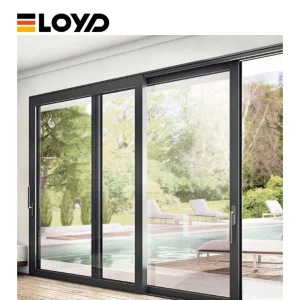
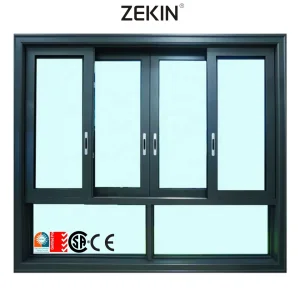
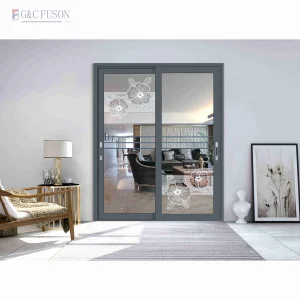
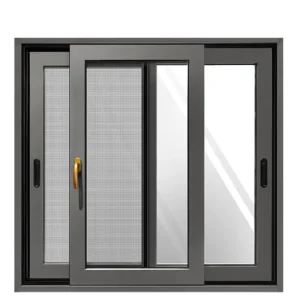
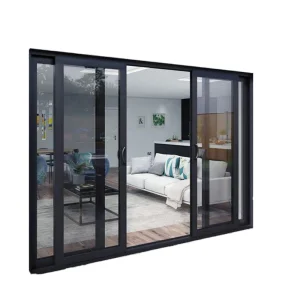
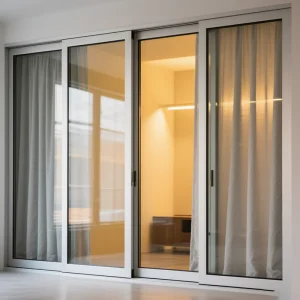
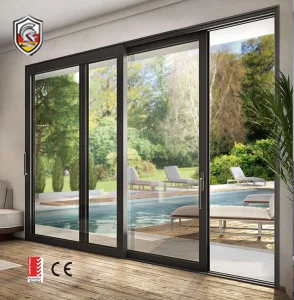
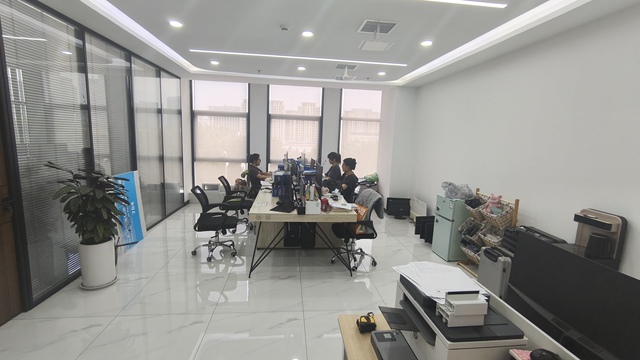
Foshan ORM Windows Co., Ltd. is a professional aluminum window manufacturer located in Foshan, Guangdong, China, one of the country's leading centers for architectural aluminum production and building materials manufacturing. Established in 2011, the company specializes in the design, engineering, manufacturing, and export of high-performance aluminum window systems for residential, commercial, and architectural projects worldwide.
With a modern manufacturing facility covering more than 20,000 square meters and a team of over 280 skilled employees, ORM Windows is dedicated to providing reliable, energy-efficient, and aesthetically appealing window solutions. The company's product portfolio includes aluminum casement windows, sliding windows, awning windows, fixed windows, tilt-and-turn windows, thermal break window systems, double-glazed windows, and customized architectural window solutions designed to meet diverse building requirements.
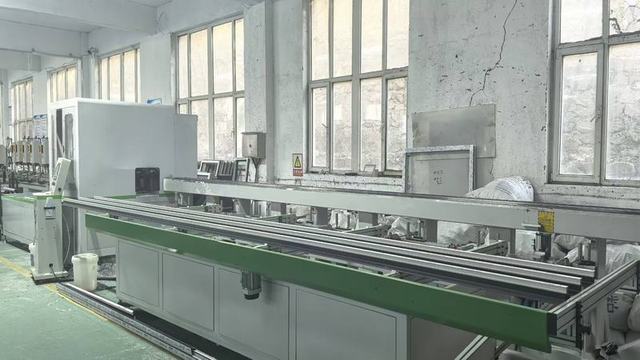
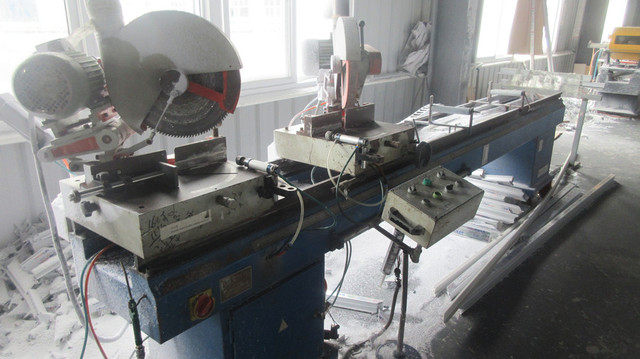
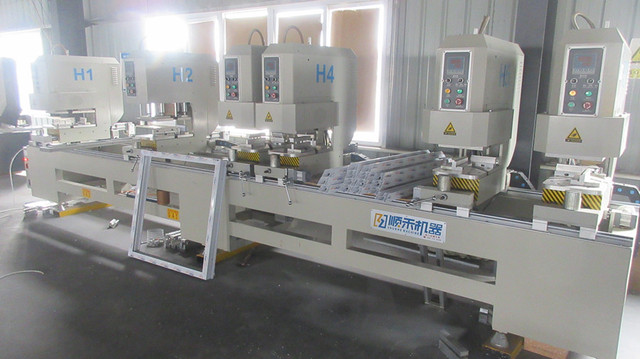
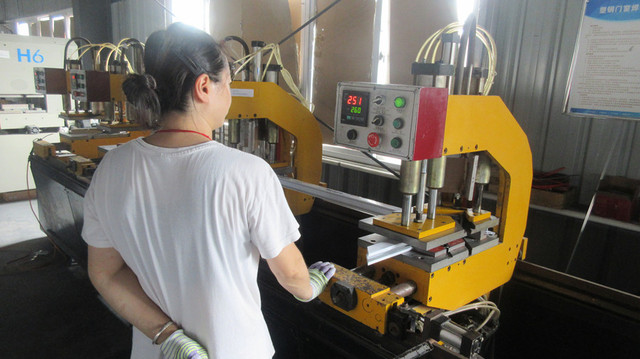
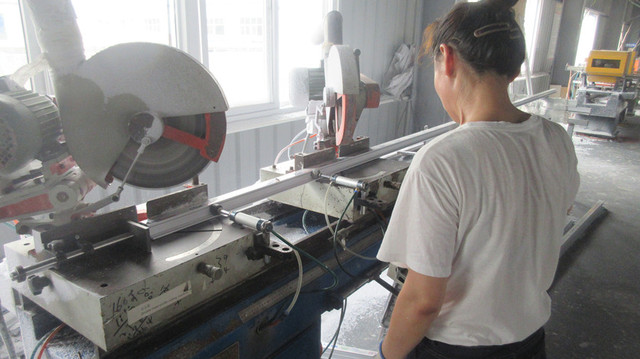
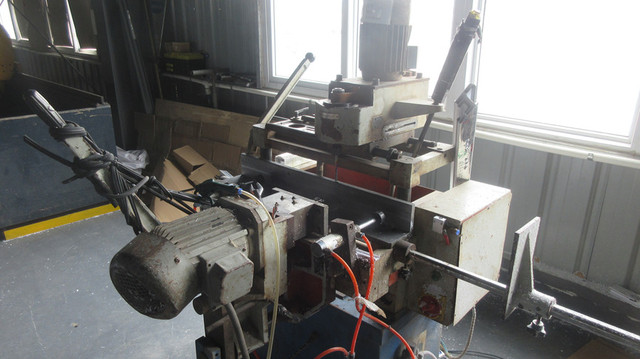
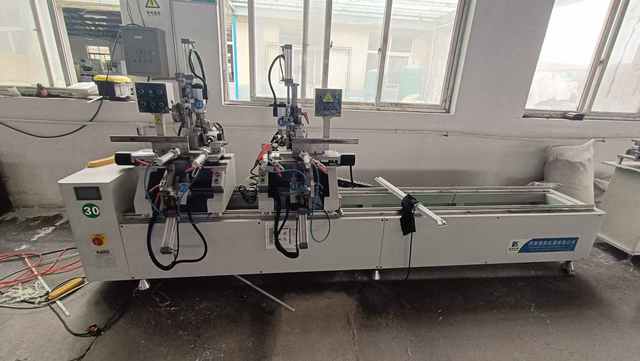
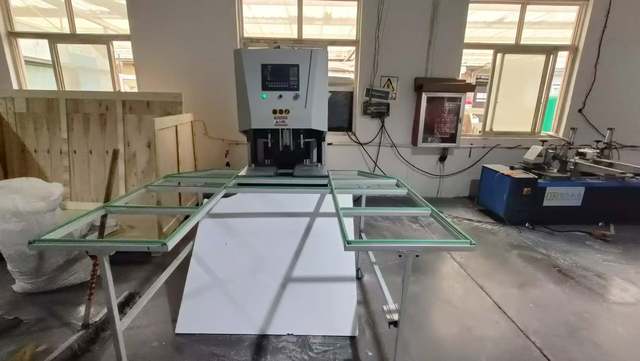
ORM Windows integrates advanced production equipment, precision fabrication technology, and strict quality management procedures throughout every stage of manufacturing. From aluminum profile processing and glass assembly to hardware installation and final inspection, every product is produced to ensure durability, weather resistance, thermal performance, and long-term reliability.
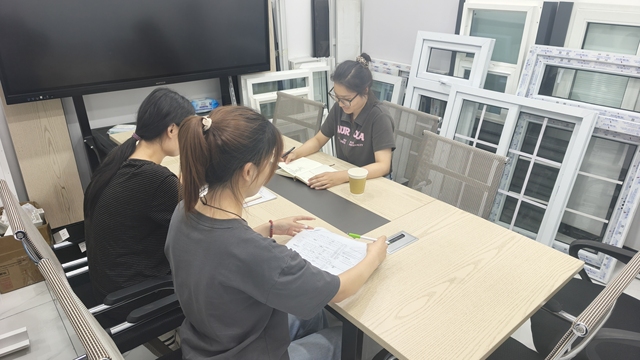
Supported by an experienced engineering and product development team, the company offers comprehensive OEM and ODM services, including customized dimensions, frame finishes, glazing options, hardware configurations, and private-label manufacturing. These flexible solutions enable builders, developers, distributors, and project contractors to meet specific market and project demands.
Serving customers across North America, Europe, the Middle East, Southeast Asia, Australia, and other international markets, Foshan ORM Windows Co., Ltd. has established a reputation for quality manufacturing, professional service, and dependable delivery. The company remains committed to providing innovative aluminum window solutions that enhance modern architecture while supporting sustainable and energy-efficient building development worldwide.
Direct technical clarifications addressing regulatory demands, shipping, structural engineering, and BASIX calculations.
Consult with our structural engineering and glazing estimation team to secure high-performance, AS2047-compliant aluminum sliding windows at competitive factory-direct pricing.
Request a Comprehensive Quote ORM Windows