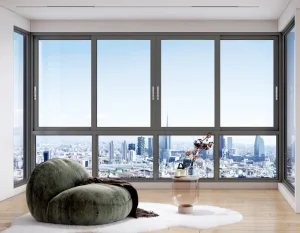
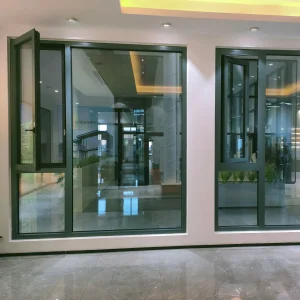
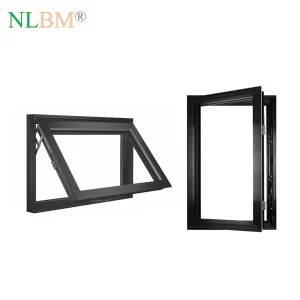
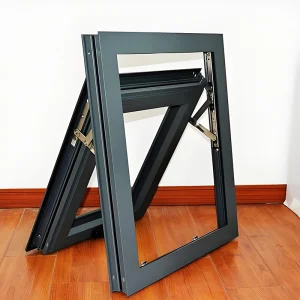
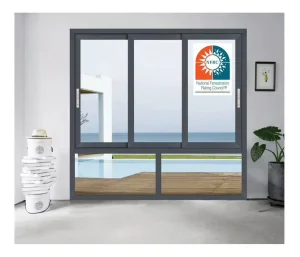
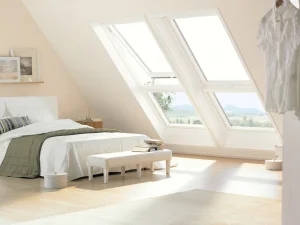
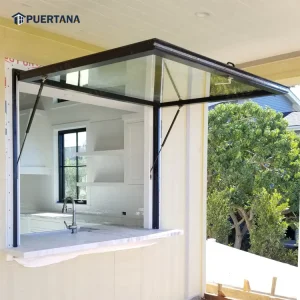
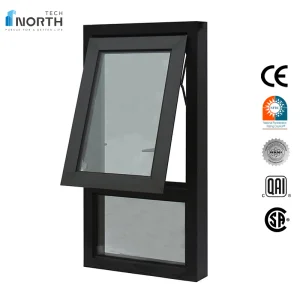
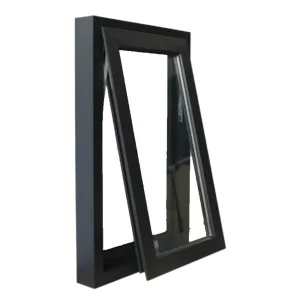
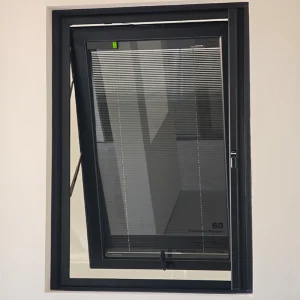
Featured thermal-break and weather-resistant aluminum awning systems optimized for local structural demands, residential, and commercial developments.
The Seattle metropolitan area, situated in the heart of the Pacific Northwest (PNW), represents one of the most demanding microclimates in North America for architectural fenestration. Characterized by a Marine West Coast climate (Köppen climate classification Cfb), Seattle experiences cool, wet winters and warm, dry summers. With an average of over 150 rainy days per year and persistent high relative humidity levels, structures in King County and the Puget Sound region are subject to sustained moisture exposure, wind-driven rain, and thermal fluctuations that can severely compromise building envelopes if not mitigated by superior window engineering.
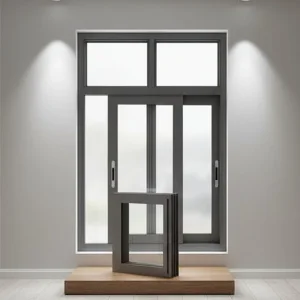
Consequently, the local demand for premium aluminum awning windows has surged. Awning windows—hinged at the top and opening outward from the bottom—are uniquely suited to Seattle's weather patterns. Their mechanical configuration acts as a protective canopy, allowing occupants to keep windows open for natural ventilation during light rain showers without risking water intrusion. However, meeting the structural and environmental challenges of this market requires specialized fabrication. Standard residential windows fail under local wind-load pressures and the strict energy compliance mandates of the region.
“In Seattle’s damp maritime climate, fenestration failure is not just about leaks; it’s about thermal bridging, interior condensation, and compliance with the highly demanding Washington State Energy Code (WSEC). Architectural aluminum awning windows must bridge the gap between structural longevity and thermal insulation.”
Historically, architectural aluminum was criticized for its high thermal conductivity, which led to significant energy loss and interior condensation in cold climates. Modern materials science has transformed this sector through the development of Thermal Break Technology. By inserting a low-conductive polyamide structural barrier (such as reinforced Polyamide 66) between the interior and exterior aluminum profiles, manufacturers effectively sever the thermal path. This isolation reduces the overall U-factor of the fenestration assembly, meeting contemporary green building standards.
In addition to thermal breaks, the integration of advanced glazing units (IGUs) is essential. Modern assemblies utilize low-emissivity (Low-E) coatings, argon or krypton gas fills, and warm-edge spacers to maximize thermal performance. These elements, combined with multi-point locking systems and high-density EPDM double-gasket seals, ensure that modern aluminum awning windows deliver exceptional performance across air infiltration, water resistance, and structural deflection metrics.
The global architectural window market relies heavily on manufacturing hubs capable of executing high-precision extrusion and automated glass fabrication at scale. Foshan, located in Guangdong Province, China, is widely recognized as the global epicenter for aluminum profile production and building materials manufacturing. The synergy between Foshan's manufacturing capability and the Seattle real estate market represents a highly optimized supply chain loop.
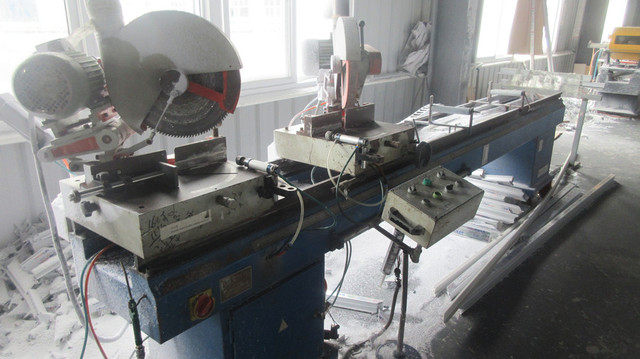
By leveraging advanced automated CNC cutting centers, robotic glass sealing units, and rigorous testing protocols in Foshan, projects in Seattle can access commercial-grade fenestration systems at highly competitive price points. This global-local model ensures that developers do not have to compromise on aesthetic performance, architectural profile customization, or high-performance hardware integrations (such as German-engineered Siegenia or Roto hardware packages) to meet tight project budgets.
Designing, supplying, and installing windows in the State of Washington requires compliance with some of the strictest building codes in the United States. The Washington State Energy Code (WSEC) dictates highly demanding performance thresholds for commercial and residential buildings. Vertical fenestration products must satisfy stringent U-factor requirements (typically ranging from U-0.28 to U-0.30 or lower depending on the specific building class and area limits).
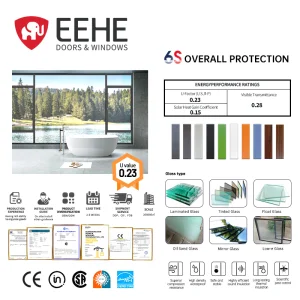
Certified thermal transmittances (U-factor), Solar Heat Gain Coefficient (SHGC), and Visible Transmittance (VT) verification to satisfy building officials.
Engineered to meet design pressure (DP) and water penetration resistance ratings essential for coastal and elevated wind zones in Puget Sound.
Profile designs engineered to withstand seismic displacements dictated by ASCE 7 for Category D and E structural designs in the Pacific Northwest.
For projects facing marine winds along the coastline or elevated conditions in Downtown Seattle, structural integrity is paramount. In these environments, standard windows risk frame deflection, seal failure, and structural degradation. High-performance aluminum awning windows utilize heavy-duty perimeter walls (typically 2.0mm to 3.0mm thickness for commercial grades) and structural glazing configurations to resist wind loads and negative pressure cycles, ensuring safety and performance over the building's lifecycle.
In modern architectural contexts across Seattle neighborhoods—such as Ballard, Capitol Hill, Fremont, and Queen Anne—aluminum awning windows serve distinct purposes depending on the project type:
The future of fenestration in the Pacific Northwest points toward net-zero energy design. Future technical developments include:
Foshan ORM Windows Co., Ltd. is a professional aluminum window manufacturer located in Foshan, Guangdong, China, one of the country's leading centers for architectural aluminum production and building materials manufacturing. Established in 2011, the company specializes in the design, engineering, manufacturing, and export of high-performance aluminum window systems for residential, commercial, and architectural projects worldwide.
With a modern manufacturing facility covering more than 20,000 square meters and a team of over 280 skilled employees, ORM Windows is dedicated to providing reliable, energy-efficient, and aesthetically appealing window solutions. The company's product portfolio includes aluminum casement windows, sliding windows, awning windows, fixed windows, tilt-and-turn windows, thermal break window systems, double-glazed windows, and customized architectural window solutions designed to meet diverse building requirements.
“From extrusion selection to the final glass sealant curing process, our operations adhere to strict international standards, ensuring that every product exported to the USA matches the climatic and structural requirements of local building departments.”
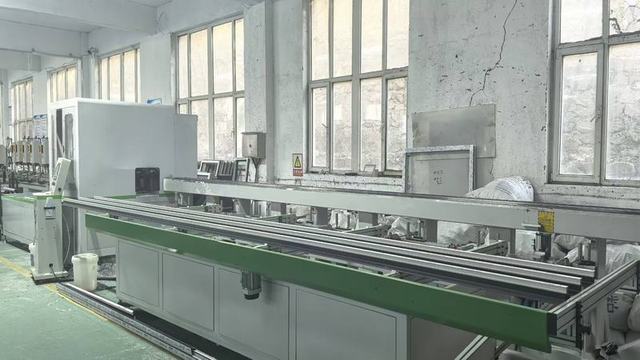
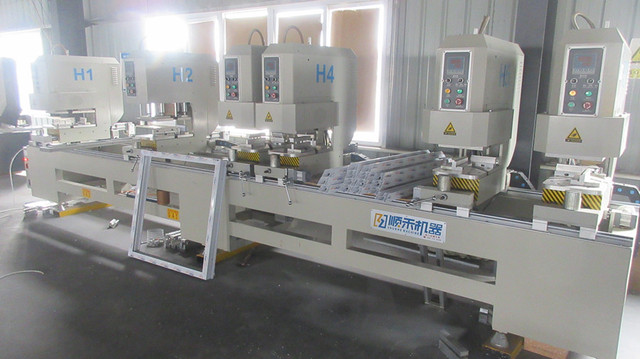
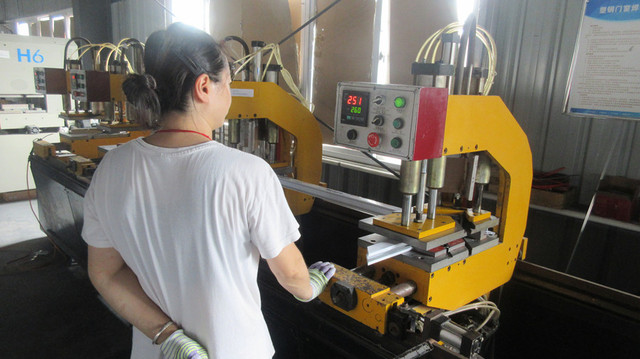
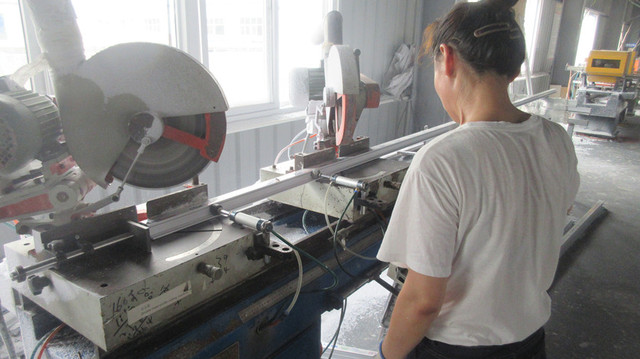
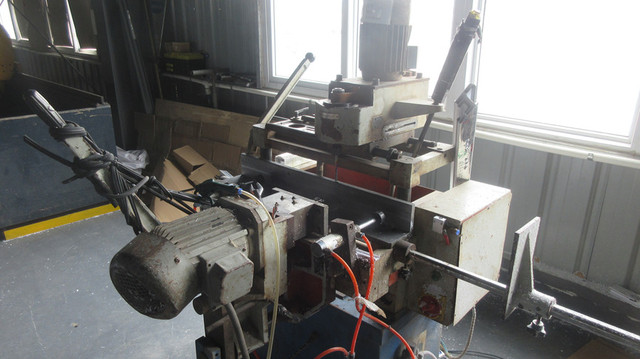
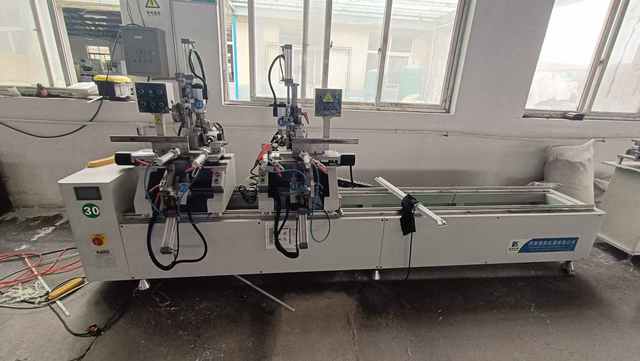
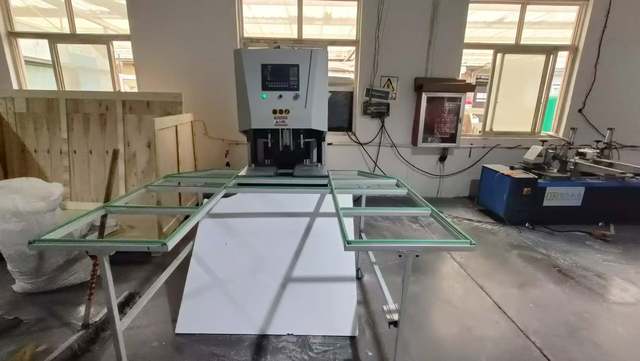
ORM Windows integrates advanced production equipment, precision fabrication technology, and strict quality management procedures throughout every stage of manufacturing. From aluminum profile processing and glass assembly to hardware installation and final inspection, every product is produced to ensure durability, weather resistance, thermal performance, and long-term reliability.
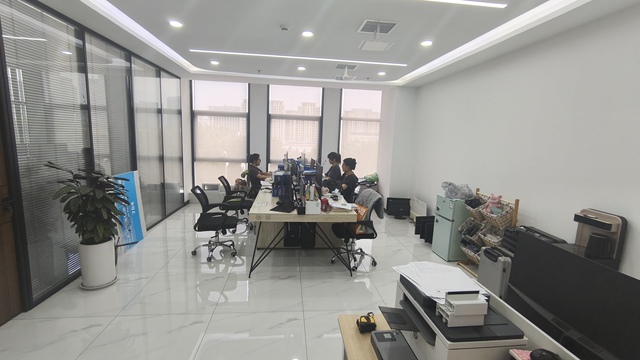
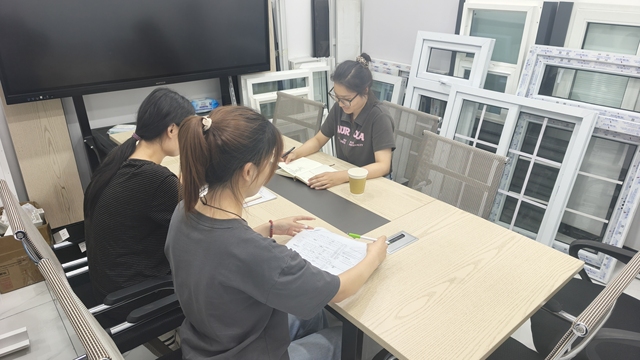
Supported by an experienced engineering and product development team, the company offers comprehensive OEM and ODM services, including customized dimensions, frame finishes, glazing options, hardware configurations, and private-label manufacturing. These flexible solutions enable builders, developers, distributors, and project contractors to meet specific market and project demands.
Serving customers across North America, Europe, the Middle East, Southeast Asia, Australia, and other international markets, Foshan ORM Windows Co., Ltd. has established a reputation for quality manufacturing, professional service, and dependable delivery. The company remains committed to providing innovative aluminum window solutions that enhance modern architecture while supporting sustainable and energy-efficient building development worldwide.
Technical answers regarding building codes, weatherization, and shipping for the Seattle architectural market.
Our products feature multi-chambered polyamide thermal breaks (PA66) and are glazed with high-performance double-glazed or triple-glazed argon-filled IGUs featuring Low-E coatings. This enables us to achieve overall U-factors of 0.30 or lower, satisfying the strict requirements of the WSEC.
Yes. Awning windows are structurally designed for wet climates. When opened, the sash acts as a canopy to deflect rain. When closed, our multi-point lock systems and high-density EPDM double gaskets create a tight compression seal, achieving excellent AAMA ratings for water penetration resistance.
For coastal exposures, we provide Marine Grade anodized finishes (Class 1) and structural configurations with increased sash wall thickness. This prevents corrosion from salt spray and handles higher design pressures (DP50+) driven by coastal winds.
Production typically takes 25 to 35 days depending on the level of customization. Transit from Shenzhen or Guangzhou ports to the Port of Seattle takes roughly 18 to 22 days. We pack all shipments in reinforced, fully enclosed plywood crates to prevent damage during ocean transit.
Explore our full line of performance systems engineered for residential and commercial spaces.
Get in touch with our engineering team for customized CAD layouts, thermal performance simulations, and competitive pricing for your residential or commercial development.
Send Inquiry Now ORM Windows