Explore our primary structural configurations engineered for maximum thermal efficiency, load-bearing stability, and structural longevity.
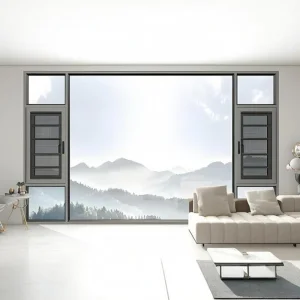
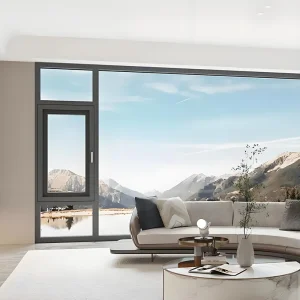
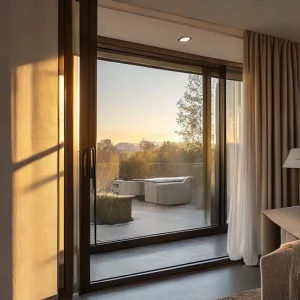
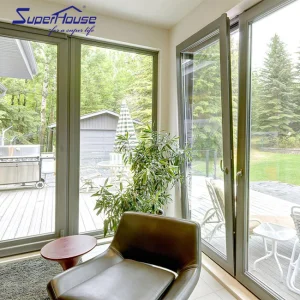
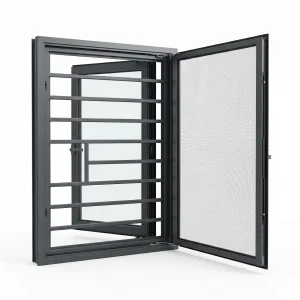
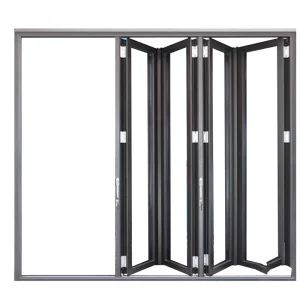
In contemporary high-rise construction, industrial machinery fabrication, and structural architectural design, aluminum has established itself as the indispensable metal of choice. The global shift toward lightweight, corrosion-resistant, and highly recyclable materials has placed custom aluminum casting parts and high-performance structural profiles at the very core of modern engineering. Foshan ORM Windows Co., Ltd. represents this technological synthesis—combining precision metallurgic manufacturing, advanced extrusion technology, and state-of-the-art aluminum casting capability.
Originally established in 2011 in Foshan, Guangdong—the absolute epicenter of architectural aluminum manufacturing in China—ORM Windows has evolved from a regional architectural components fabricator into a world-class manufacturing authority. Spanning a state-of-the-art facility of over 20,000 square meters and powered by a highly technical workforce of over 280 structural specialists, we represent the peak of OEM/ODM industrial capability. Our solutions cover structural aluminum die casting, custom architectural profiles, window-wall integrated hardware, thermal break assemblies, and comprehensive building envelope designs that serve developers, contractors, and industrial buyers worldwide.
Bridging the gap between raw alloy formulations and high-stress structural components.
We work predominantly with architectural and structural grades such as 6063-T5, 6063-T6, and 6061-T6. For integrated die-cast corner joints, brackets, and load-bearing hardware, we employ advanced pressure casting alloys (such as A380 and A356). Controlling microstructural phase distribution guarantees optimal tensile strength and superior surface finish.
By coordinating high-pressure die casting (HPDC) and continuous extrusion lines, we achieve ultra-tight tolerances of up to ±0.1mm. This hybrid technique allows us to manufacture complex components like thermal-break structural locks, corner joints, and architectural cladding mounts with minimal porosity and exceptional mechanical fatigue resistance.
We provide comprehensive surface treatments including fluorocarbon coating (PVDF), architectural powder coating, and anodization. Our finishes conform to AAMA 2605 specifications, rendering the aluminum casting parts and profiles impervious to UV radiation, acid rain, and highly corrosive coastal air.
How our custom-cast systems and thermal-break architectural frames serve major sectors worldwide.
High-rise buildings require structural glass walls and heavy-duty sliding systems capable of resisting lateral wind loads. By utilizing optimized thermal-break profiles and precision-cast internal hardware, we help green buildings achieve record-low U-factors and meet strict LEED Gold ratings.
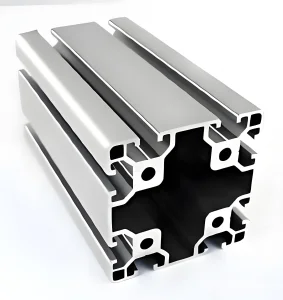
Our heavy-duty extruded 6061-T6 frame modules and customized mounting brackets act as high-rigidity structural frameworks for advanced automation lines, cleanroom partitions, and robotic work-cells.
Deploying specialized marine-grade coatings and high-purity aluminum alloys, we manufacture bifold door tracks, structural hinges, and window assemblies that withstand intensive humidity and salt-spray testing exceeding 1,000 hours.
As the geopolitical and macroeconomic landscapes shift, manufacturing resilience has become the number one priority for procurement departments globally. Foshan ORM Windows Co., Ltd. operates at the center of the world's most robust industrial cluster. The integration of Industry 4.0 protocols within our Foshan facility allows us to mitigate raw material price fluctuations, control process waste, and maintain exceptional production throughput.
Our manufacturing workflow relies on vertical integration: from design engineering, tooling development, and metallurgical formulation, to profile extrusion, CNC machining, hardware integration, and assembly. This end-to-end control eliminates multi-tier supplier markups, shortens response times for design modifications, and keeps lead times predictable. By utilizing Automated Guided Vehicles (AGVs) on the factory floor and advanced ERP software, we synchronize supply chain nodes to ensure that large-scale global shipments arrive on time, regardless of logistics volatility.
Our custom profiles and window systems undergo rigorous structural, air-infiltration, and water-penetration testing to meet AS2047 (Australia) and NFRC (North America) building standards.
Every single batch of aluminum extrusions and cast structural parts receives a unique tracking number, linking it to the chemical composition analysis, extrusion log, and quality inspection report.
Our facility runs an advanced closed-loop recovery system for aluminum scrap, recycling 100% of internal processing scrap and reducing our carbon footprint by up to 35% compared to raw smelting.
An authoritative checklist designed for global procurement managers, structural engineers, and residential developers.
When sourcing custom aluminum casting parts and architectural profile systems, procurement experts focus on a set of core parameters to minimize lifetime operating costs and prevent structural failures:
Foshan ORM Windows Co., Ltd. does not simply act as an off-shore supplier; we provide active engineering collaboration. Our design team assists project managers with FEA (Finite Element Analysis) load testing, glass performance modeling, and acoustic attenuation calculations. This close collaboration guarantees that the final delivered systems integrate seamlessly with localized building systems and structural facades.
At the same time, we help buyers meet strict ESG (Environmental, Social, and Governance) corporate requirements. By using non-toxic powder coatings, maximizing recycled aluminum content, and optimizing cargo density to minimize shipping emissions, we make sure that your supply chain meets international green building standards and regional decarbonization goals.
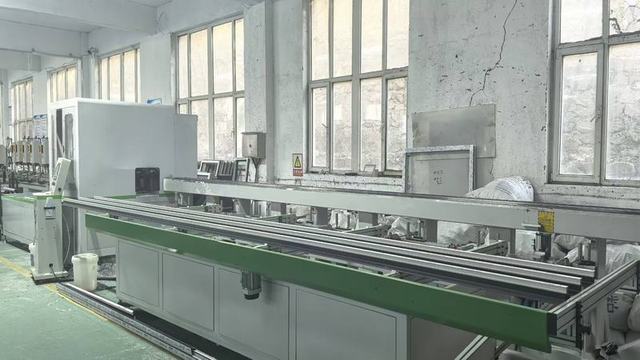
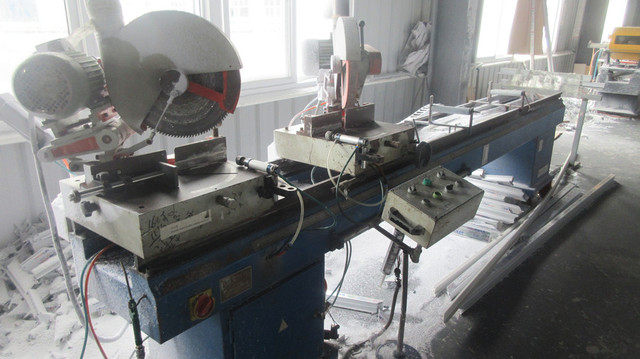
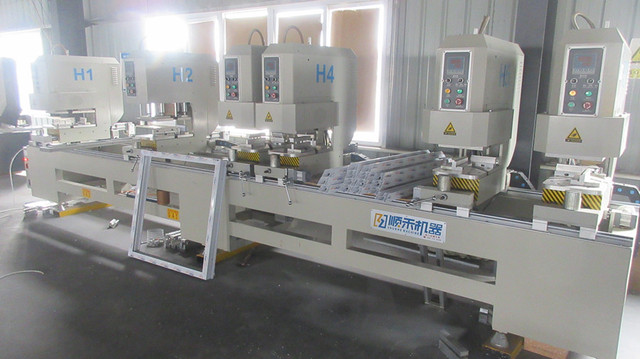
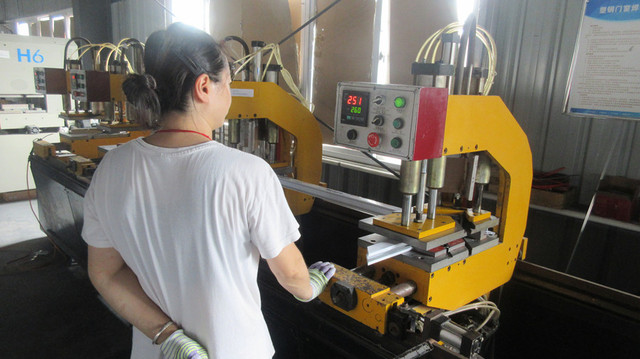
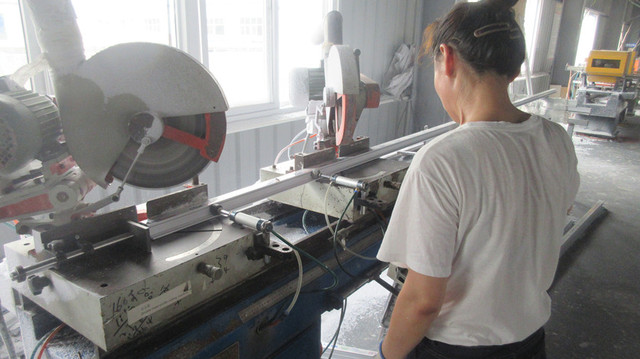
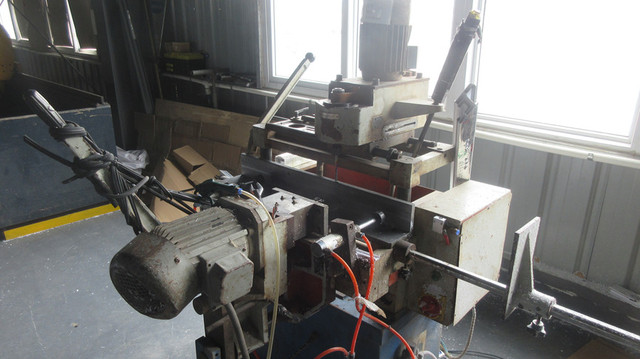
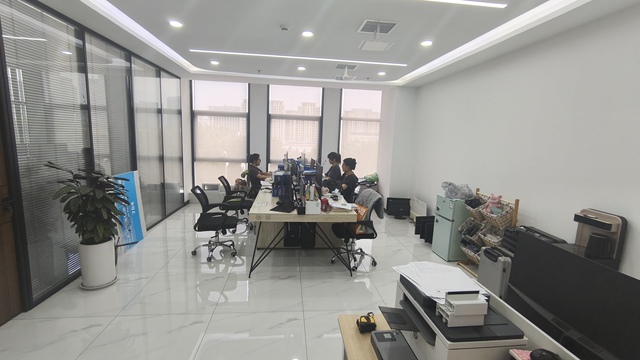
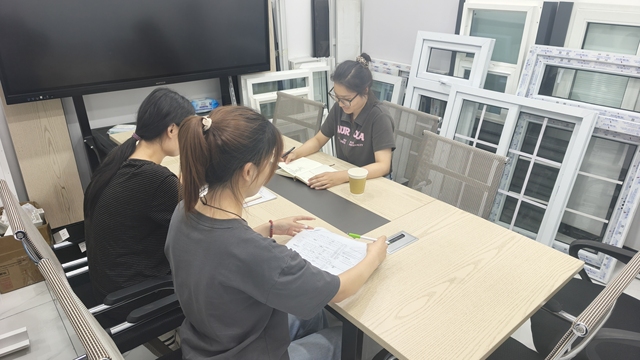
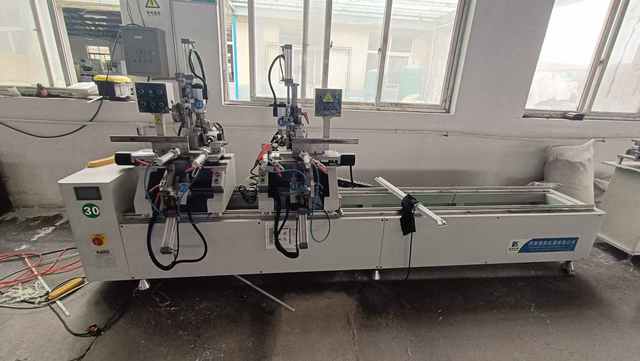
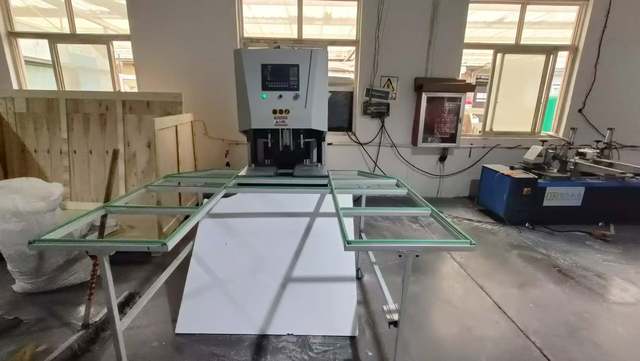
Step inside the 20,000㎡ Foshan ORM manufacturing base. These original facility images show our commitment to clean production, precision assembly, and rigorous quality assurance.
Answers to common structural, materials, and international logistics questions asked by sourcing engineers.
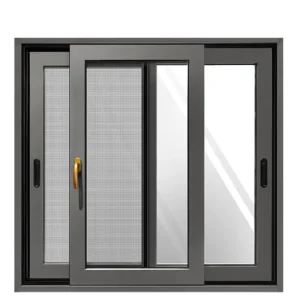
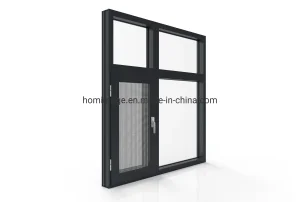
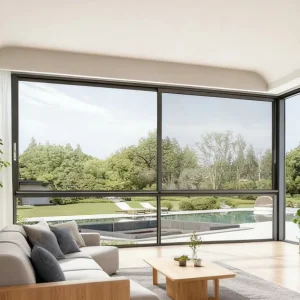
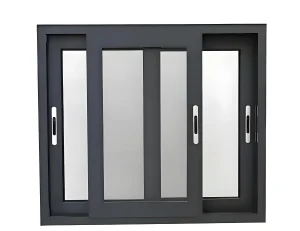
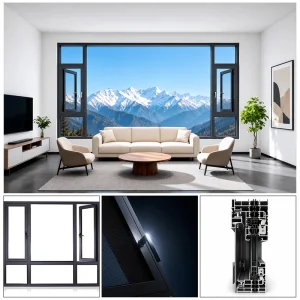
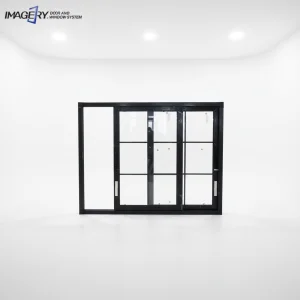
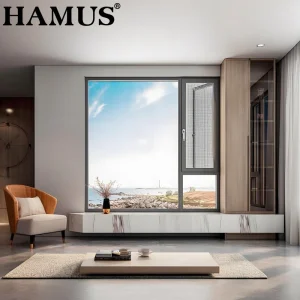
Explore our specialized heavy-duty sliding systems, structural profiles, and custom thermal-break window models.
 ORM Windows