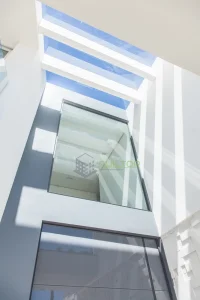
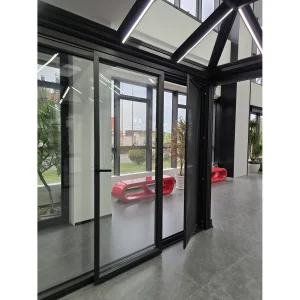
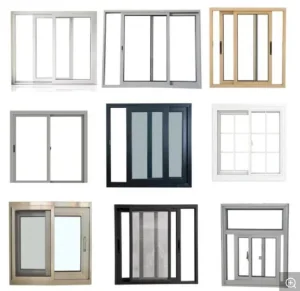
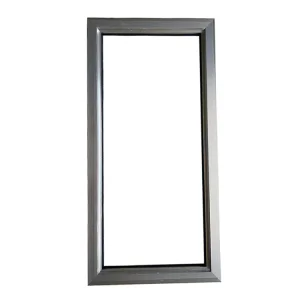
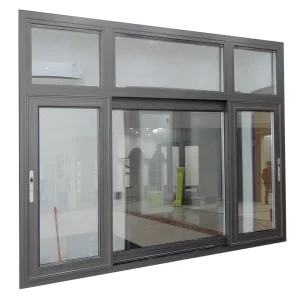
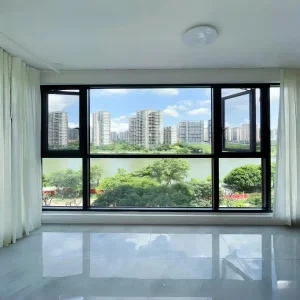
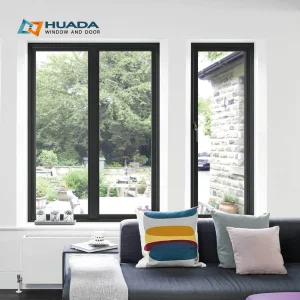
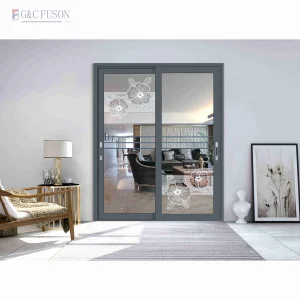
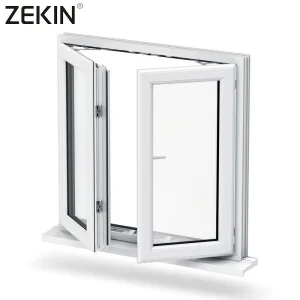
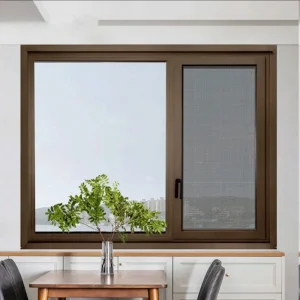
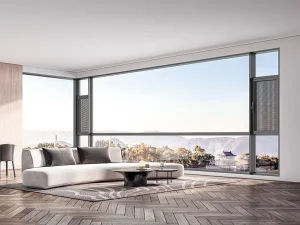
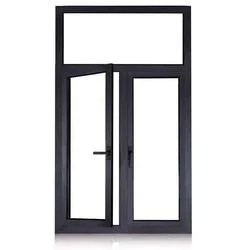
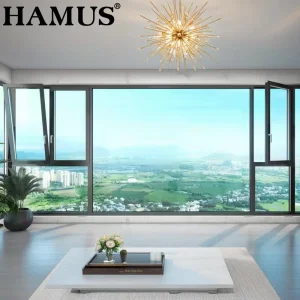
As primary exporters, our product range integrates advanced thermal breaks, hurricane-resistant engineering, and automated louvers designed to support modern green-building envelopes globally. Explore our top engineering configurations below.
In contemporary architectural design, the exterior envelope is no longer seen as merely a structural barrier, but as a dynamic, interactive system that manages light, thermal energy, airflow, and aesthetics. At the core of this transition are Architectural Aluminum Louvers. Emerging from basic ventilation screens, today's aluminum louvers are highly engineered, aerodynamic profiles capable of reducing HVAC loads, enhancing indoor environmental quality (IEQ), and securing long-term durability under extreme weather conditions.
Global urban zones face escalating microclimate issues and strict energy efficiency mandates, such as the EU's Energy Performance of Buildings Directive (EPBD) and ASHRAE standards in North America. These demands have forced developers, architects, and facade engineers to transition from passive cladding components to smart, active building facades. Consequently, aluminum louvers must satisfy multiple functional objectives simultaneously: optimizing daylight factor values, preventing rain penetration (with high-performance storm-resistant ratings), and minimizing pressure drops to enable natural ventilation.
Specially insulated blade structures absorb ambient sound, making them ideal for high-density environments and HVAC mechanical plant room enclosures.
Blades shaped to minimize airflow restriction, maximizing free area while maintaining absolute rain defensibility during storm scenarios.
By deflecting direct solar radiation, modern louvers reduce heat accumulation on glazed facades, lowering building cooling requirements by up to 30%.
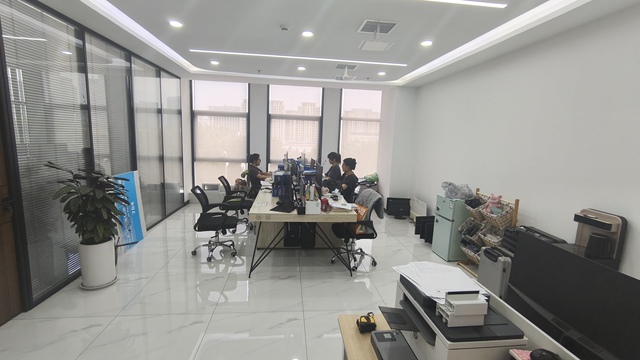
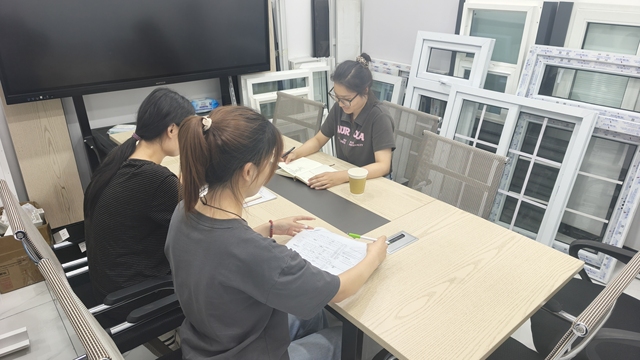
Established in 2011, Foshan ORM Windows Co., Ltd. is a professional aluminum window and louver system manufacturer located in Foshan, Guangdong, China. Foshan is globally recognized as one of the preeminent hubs for architectural aluminum extrusion, metallurgy, and building materials manufacturing. ORM Windows specializes in the design, engineering, precision fabrication, and export of high-performance architectural systems for commercial, residential, and mixed-use real estate projects across the globe.
Operating a modern manufacturing facility that spans more than 20,000 square meters, backed by an expert staff of over 280 highly skilled engineering and production professionals, ORM Windows is dedicated to delivering highly dependable, thermal-break efficient, and visually striking architectural solutions. The company's portfolio features custom casement systems, architectural motorized louvers, multi-point locking sliding windows, thermal break systems, and advanced glazing setups engineered to satisfy complex structural calculations.
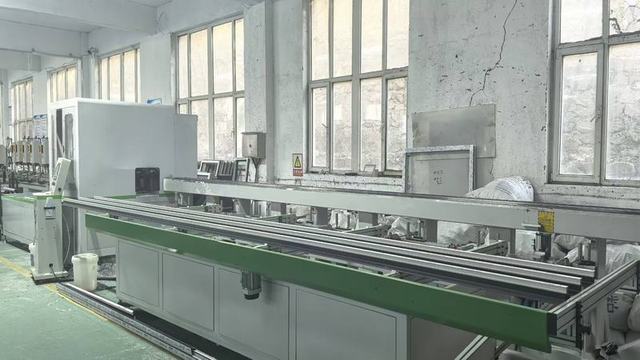
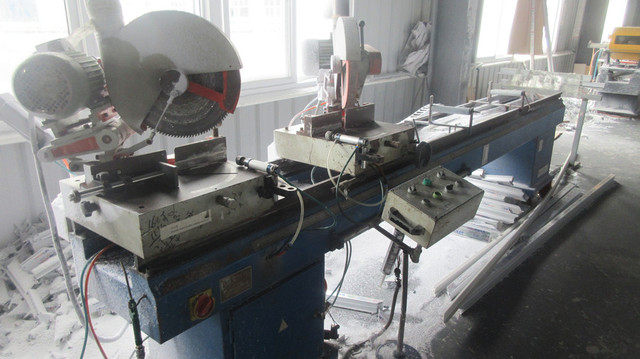
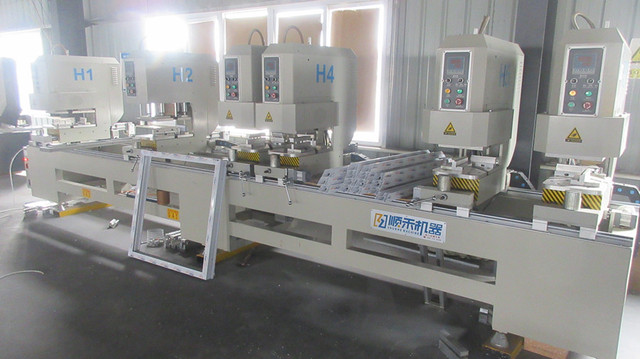
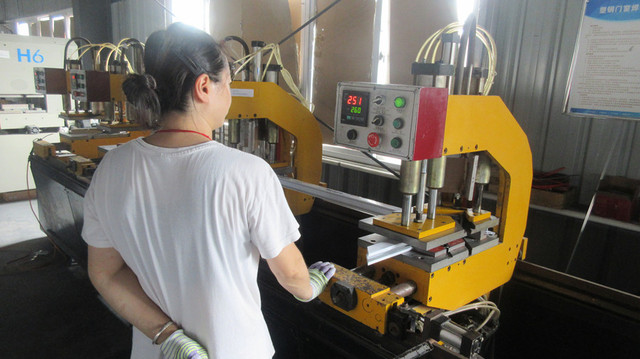
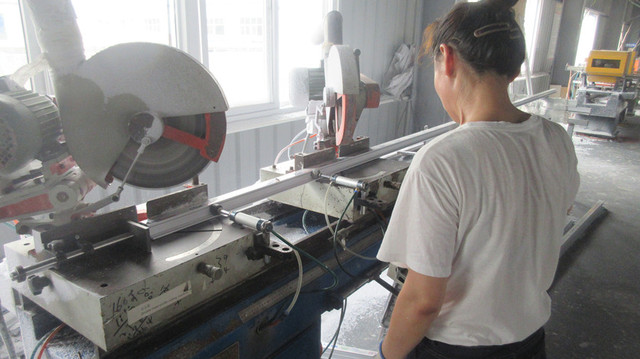
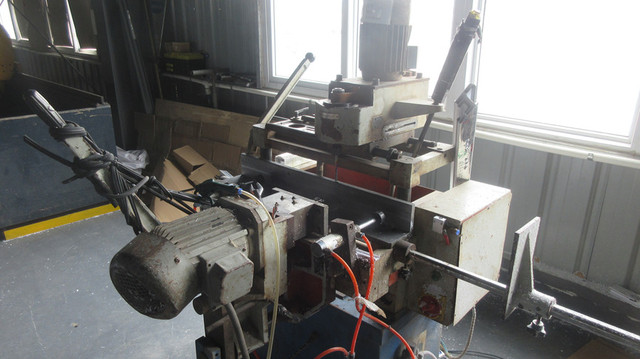
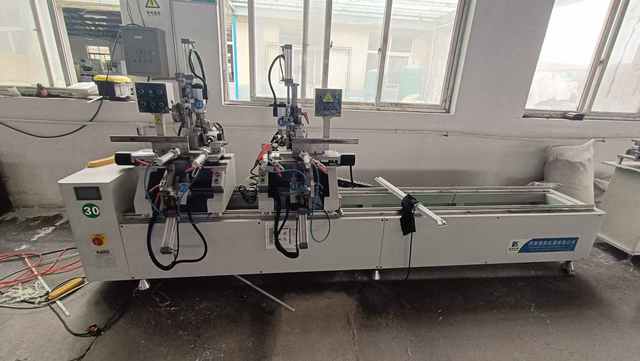
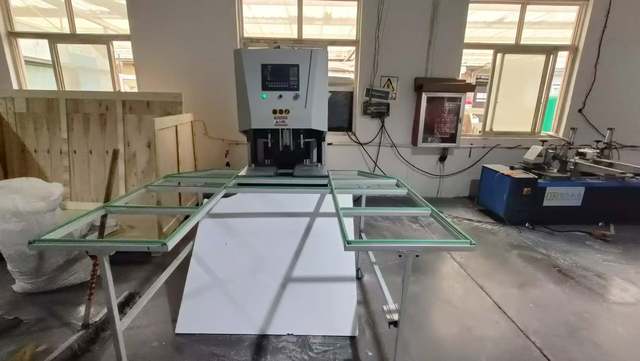
By utilizing precision CNC machining centers, automated corner assembly lines, and rigorous QC inspection protocols, ORM ensures that every exported component withstands harsh conditions, heavy wind-loads, and strict moisture tests. This expertise is backed by full OEM and ODM services, enabling custom sizing, specialized PVDF or powder coating options, and NFRC/AAMA compliant hardware configurations tailored for demanding markets like North America, Europe, Australia, and the Middle East.
B2B buyers, estimators, and project leads sourcing architectural envelope systems from China require more than competitive rates; they need comprehensive risk mitigation. The global supply chain for structural windows and louvers requires adherence to international standards to avoid costly installation delays or project rejection at inspection phases.
Choosing a leading exporter located in Foshan leverages a cluster effect. The local ecosystem offers direct access to prime raw aluminum billets (predominantly 6063 alloy), advanced surface treatment lines (such as vertical powder coating and PVDF plants), and world-class testing labs. When choosing your supplier, keep these key technical criteria in mind:
Selecting a supplier requires verifying their capacity to handle complex, project-specific engineering. For instance, the air resistance and free area percentages of a louver system directly affect mechanical plant room equipment performance. If the louver restricts intake air excessively, internal machinery can overheat.
Our team uses advanced software to calculate wind-load thresholds and CFD (Computational Fluid Dynamics) simulations to analyze air pressure losses. We match products to structural specifications, balancing ventilation, safety, and acoustic performance:
Multi-stage blade systems drain rain downward, preventing moisture ingress during heavy storms while maintaining steady building airflow.
Heavy gauge extruded frames and reinforced anchors resist manual tampering, protecting mechanical equipment rooms from unauthorized access.
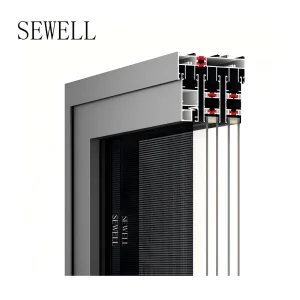
Integrated thermal breaks (polyamide PA66 GF25 insulation strips) reduce heat transfer, maintaining building envelope thermal performance.
To maintain E-E-A-T (Experience, Expertise, Authoritativeness, and Trustworthiness) standards, global buyers must verify that their manufacturing partners comply with regional building codes. For project sites in North America, testing under NFRC (National Fenestration Rating Council) and AAMA standards is essential. For developments in the EU, CE marks and EN performance testing certifications are mandatory.
Our manufacturing processes comply with ISO 9001:2015 for quality management and ISO 14001:2015 for environmental control. By sourcing raw materials only from verified suppliers and maintaining traceability from raw billet to finished crate, we deliver structural systems that contribute directly to green building rating schemes like LEED (Leadership in Energy and Environmental Design) and BREEAM.
The next step for architectural exterior elements is integration with building automation systems. Intelligent motorized louver systems use sensors to adjust blade angles dynamically in response to wind speeds, rainfall, solar path, and internal HVAC loads.
We are developing low-voltage DC drive units and IoT-enabled actuator systems that connect directly to central Building Management Systems (BMS) via Modbus or BACnet protocols. These smart louvers adjust throughout the day to optimize daylighting, control heat, and enable natural nighttime purging, reducing dependency on mechanical cooling.
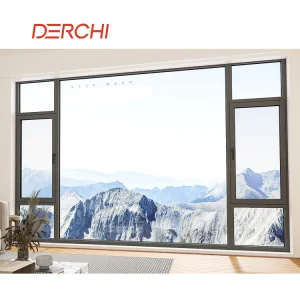
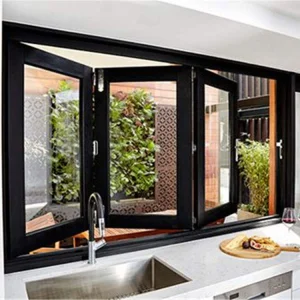
Review our full line of performance architectural glazed assemblies, designed to integrate seamlessly with structural shading layouts.
 ORM Windows