Explore our certified premium architectural systems engineered from structural aluminum sections for residential and commercial demands.
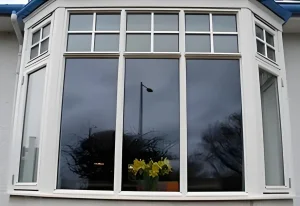
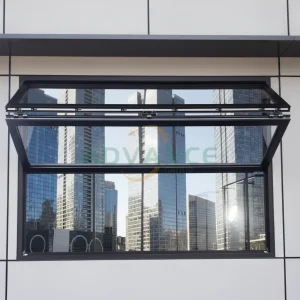
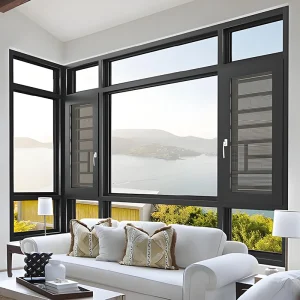
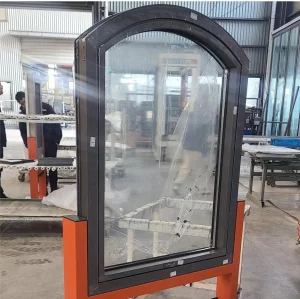
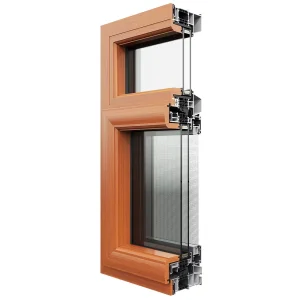
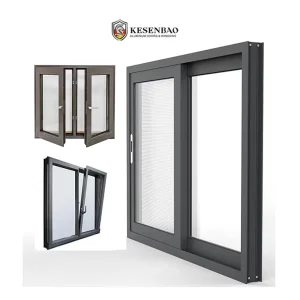
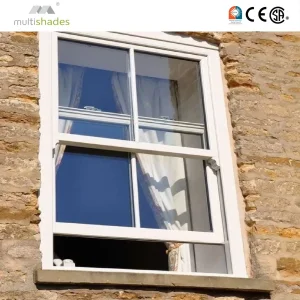
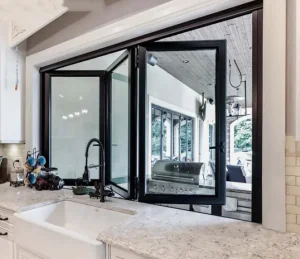
In modern building envelopes and curtain wall assemblies, aluminum tube sections serve as the fundamental structural core. These engineered hollow shapes are designed to sustain high wind loads, thermal stress, and seismic forces while supporting heavy insulated double and triple-glazed units. Global architects demand maximum deflection limits, optimized moments of inertia, and strict dimensional tolerances.
Premium aluminum extrusion starts with the proper metallurgical composition. The choice of alloy determines not only the mechanical yield strength but also the responsiveness to complex surface treatments like PVDF coating, anodizing, and wood-grain thermal transfers. By utilizing structural alloys such as Al6063-T5, T6, and specialized Al6061-T6, manufacturers achieve an ideal balance of shear resistance, impact toughness, and corrosion protection.
Selecting between 6063 and 6061 grades dictates the final load capacities. 6063-T6 provides exceptional surface quality for window framing systems, while 6061-T6 provides the ultimate yield strength required for heavy-duty commercial mullions and sub-structures.
Advanced manufacturers operate within the strict limits of standard EN 755-9 or ASTM B221. High-precision tolerances prevent air leakage and water ingress at frame mitered joints, optimizing assembly speeds and final product performance.
Hollow tube sections are often split and joined using Polyamide 66 (PA66GF25) thermal break strips. This mechanical separation halts conductive heat transfer, lowering overall system U-values to meet Net-Zero building criteria.
Sqm Production Facility
Skilled Technicians
Standard Grade Alloys
Impact Compliance
Understanding why architectural enterprises worldwide leverage Foshan's regional capabilities for high-performance structural systems.
Foshan in Guangdong Province stands as the world's most concentrated cluster for architectural aluminum extrusion, surface finishing, and hardware fabrication. This concentrated hub creates immediate structural and cost advantages that cannot be replicated elsewhere:
By establishing operations in proximity to major aluminum smelters and smelting logistics grids, manufacturers bypass volatile domestic freight costs. Continuous access to primary A00 grade aluminum ingots ensures that all extruded hollow tubes exhibit uniform grain structures and isotropic strength.
Whether a project calls for Qualicoat-certified powder coatings, ultra-durable PVDF fluorocarbon coatings for coastal salinity, or custom architectural anodizing, the proximity of specialized chemical surface treatment facilities reduces cross-processing transit times and prevents physical handling damage.
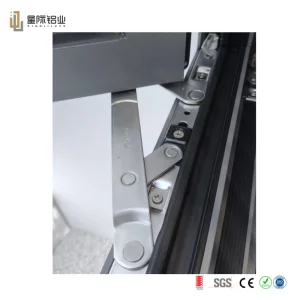
A structural window frame is only as reliable as its hardware interface. The local availability of premium accessories—including German-engineered multi-point locks, heavy-duty stainless steel friction hinges, and customized EPDM weather stripping—allows for comprehensive structural compatibility testing.
Global structural certifications dictate how aluminum tube profiles and framing systems perform under environmental stresses.
| Certification / Test Standard | Target Parameter | Typical Architectural Application | Structural Assessment Metric |
|---|---|---|---|
| AAMA 101/WDMA/CSA | Structural Load, Air & Water Ingress | North American Commercial Projects | DP Rating (Design Pressure up to DP70) |
| AS2047 / AS1288 | Deflection and Structural Load Capacity | Australian High-Rise Residential | Wind Pressures up to 3000 Pa |
| EN 14351-1 (CE Mark) | Thermal insulation, acoustic reduction | European Union General Construction | U-Value (W/m²K) down to 1.1 |
| Florida Building Code (FBC) | Hurricane wind impact, cyclic pressure | Coastal Hurricane Zones / Bahamas | Large & Small Missile Impact Resistant |
| ASTM E1300 | Load resistance of glass in frames | Structural Double Glazed Facades | Maximum allowable uniform load capacity |
*Note: Complete structural integrity depends on the interaction between the aluminum tube section (wall thickness and cavity design) and the perimeter anchoring system. Consult with factory engineers during the design and shop-drawing phase.
Industrial procurement managers, real estate developers, and facade consultants face intense regulatory pressure to source carbon-efficient, safe, and durable materials. Evaluating a Chinese manufacturer for aluminum window framing demands clear verification points:
Every production batch must be accompanied by Mill Test Certificates (MTC) proving compliance with chemical bounds for silicon, iron, copper, manganese, and magnesium. This guarantees predictable mechanical properties during machining, CNC milling, and structural installation.
Architectural designs are rarely standard. Top suppliers provide comprehensive CAD drafting, structural FEM calculation support, rapid 3D-printed profile mock-ups, and custom mold extrusion services. This collaborative engineering approach ensures complex facade configurations perform reliably in-situ.
Shipping structural aluminum frames internationally requires protective packaging: wooden crates with foam inserts, shrink-wrapping to prevent humidity build-up, and steel-reinforced pallets. Manufacturers must offer flexible delivery terms (FOB, CIF, DDP) and assist with local customs clearance.
Foshan ORM Windows Co., Ltd. is a professional aluminum window manufacturer located in Foshan, Guangdong, China, one of the country's leading centers for architectural aluminum production and building materials manufacturing. Established in 2011, the company specializes in the design, engineering, manufacturing, and export of high-performance aluminum window systems for residential, commercial, and architectural projects worldwide.
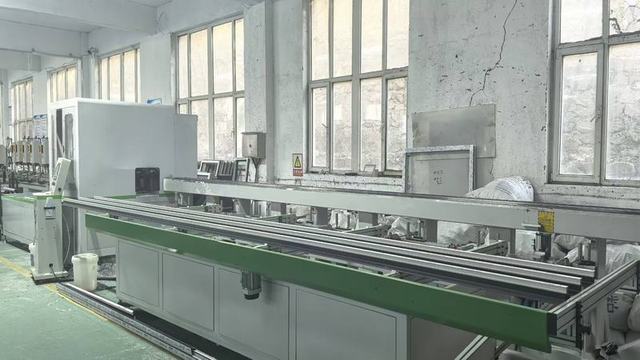
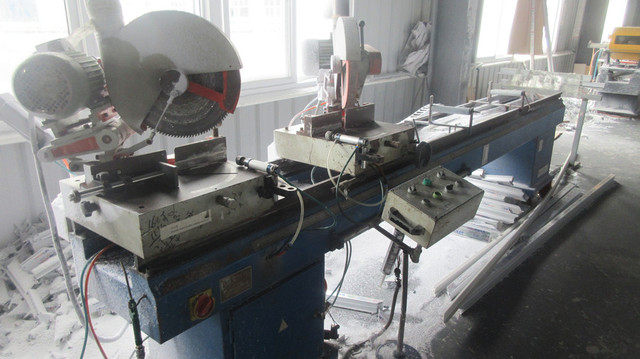
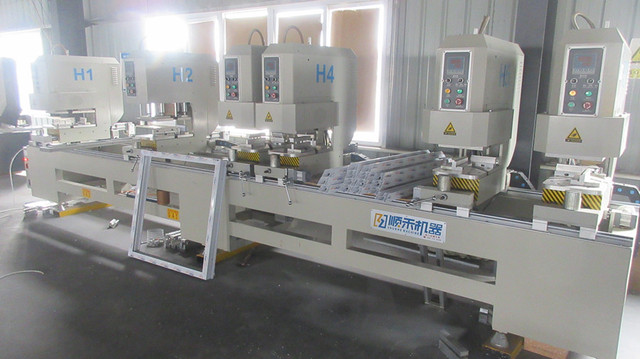
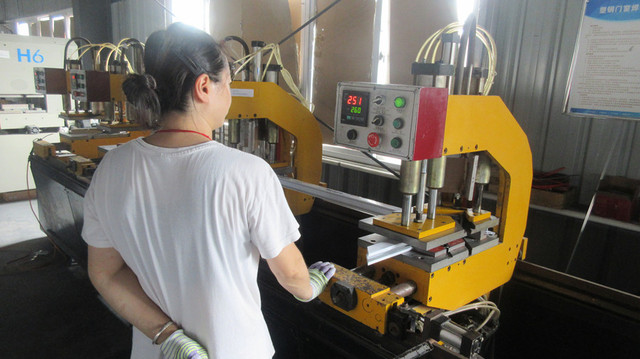
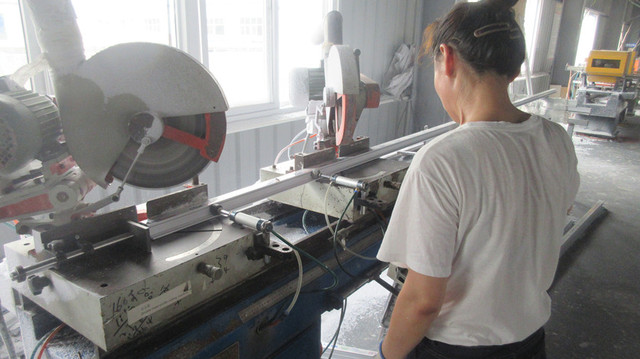
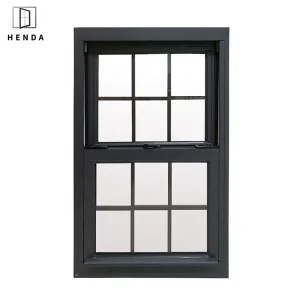
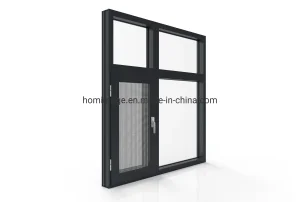
With a modern manufacturing facility covering more than 20,000 square meters and a team of over 280 skilled employees, ORM Windows is dedicated to providing reliable, energy-efficient, and aesthetically appealing window solutions. The company's product portfolio includes aluminum casement windows, sliding windows, awning windows, fixed windows, tilt-and-turn windows, thermal break window systems, double-glazed windows, and customized architectural window solutions designed to meet diverse building requirements.
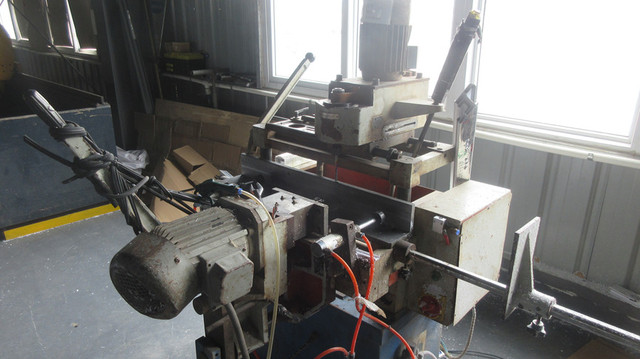
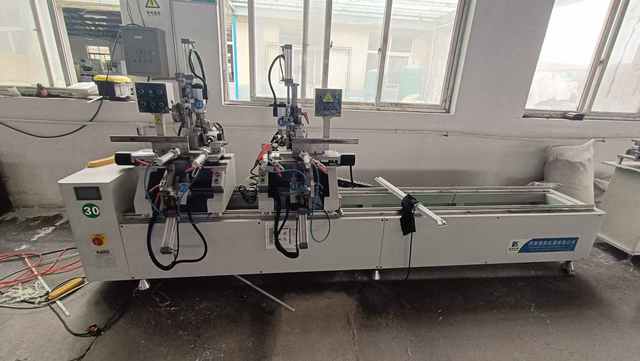
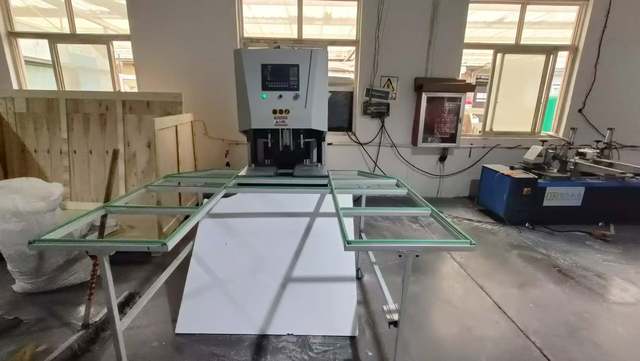
ORM Windows integrates advanced production equipment, precision fabrication technology, and strict quality management procedures throughout every stage of manufacturing. From aluminum profile processing and glass assembly to hardware installation and final inspection, every product is produced to ensure durability, weather resistance, thermal performance, and long-term reliability.
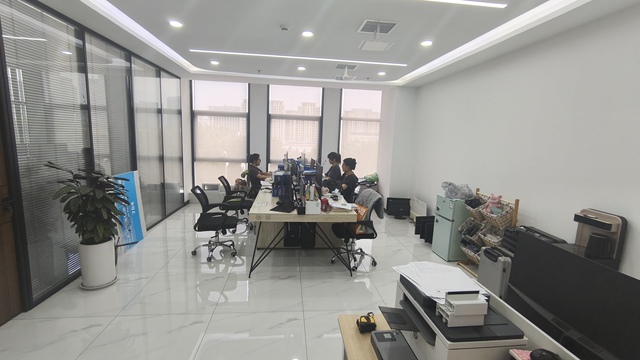
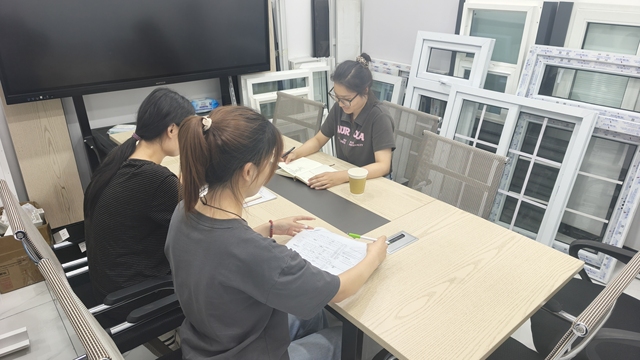
Supported by an experienced engineering and product development team, the company offers comprehensive OEM and ODM services, including customized dimensions, frame finishes, glazing options, hardware configurations, and private-label manufacturing. These flexible solutions enable builders, developers, distributors, and project contractors to meet specific market and project demands.
Serving customers across North America, Europe, the Middle East, Southeast Asia, Australia, and other international markets, Foshan ORM Windows Co., Ltd. has established a reputation for quality manufacturing, professional service, and dependable delivery. The company remains committed to providing innovative aluminum window solutions that enhance modern architecture while supporting sustainable and energy-efficient building development worldwide.
Answers to complex design and structural performance queries raised by global procurement and facade teams.
For standard residential projects, a wall thickness of 1.4mm to 1.6mm is standard. However, for commercial facades, curtain wall mullions, and high-performance hurricane-rated doors, structural engineers require a minimum wall thickness of 2.0mm to 3.0mm to withstand deflection limits under negative wind load pressures.
Foshan provides an integrated manufacturing environment. An extrusion mill, surface treatment facility, and assembly center typically reside within a 15km radius. This drastically minimizes intra-process transport wait times, allowing production cycles of complex custom profiles to finish in 25-35 days, compared to the 8-12 weeks common in non-clustered supply regions.
An aluminum frame has high thermal conductivity. A thermal break profile introduces a non-conductive barrier, typically a glass-fiber reinforced polyamide strip (PA66GF25), between the interior and exterior aluminum sections. This acts as an insulation chamber, preventing heat from escaping in winter and entering in summer, which lowers energy consumption by up to 40%.
For seaside installations within 5 kilometers of the shoreline, we recommend Fluorocarbon PVDF coatings (complying with AAMA 2605 specifications) or marine-grade anodizing (Class I, 25 microns). These finishes provide exceptional chemical resistance to salt spray corrosion, preventing chalking and color fading.
Yes. Through our internal CAD design team and mold fabrication facility, we provide comprehensive OEM/ODM services. We extrude custom structural dimensions, design new thermal chambers, and adapt mullion designs to fit specific curtain wall layouts required by architects and structural planners.
Explore our certified premium architectural systems engineered from structural aluminum sections for residential and commercial demands.
 ORM Windows