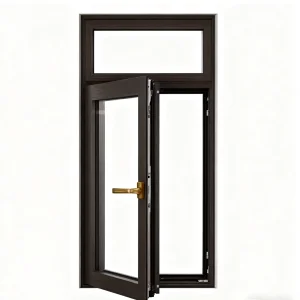
Los Angeles, California represents one of the most demanding and diverse architectural markets in the world. Stretching from the coastal marine environments of Santa Monica and Malibu to the harsh, arid conditions of the San Fernando Valley, the region is characterized by distinct microclimates. These variations require exterior building envelopes that can dynamically adapt to thermal fluctuations, solar radiation, structural wind loads, and stringent state-level environmental regulations. For architects, contractors, and developers operating within this ecosystem, high-performance thermal break aluminum windows are no longer an optional luxury—they are a structural and environmental necessity.
In Southern California, building components are governed by the strict standards set forth under the California Energy Code (Title 24, Part 6). Title 24 mandates rigorous limitations on the Solar Heat Gain Coefficient (SHGC) and U-factor parameters for both new constructions and significant renovations. Standard non-insulated aluminum window profiles act as thermal conductors, permitting rapid heat transfer that increases energy consumption through air conditioning system strain. Thermal break technology uses structural polyamide insulative barriers to disrupt this thermal transfer channel, achieving compliance with California's aggressive target toward net-zero energy buildings.
Beyond thermal performance, the geographic and geological profile of Los Angeles introduces critical engineering criteria:
To appreciate why modern LA developments rely on thermal break configurations, it is helpful to look at the thermodynamics. Aluminum has a thermal conductivity rate of approximately 160 to 230 W/m·K. When left un-insulated, window frames act as thermal highways, letting heat travel freely between the exterior and interior spaces. During hot Southern California summers, heat radiates indoors; during cooler winter nights, interior heating escapes.
A thermal break acts as a barrier within the aluminum profile. By inserting a low-conductivity material—specifically Polyamide 6.6 reinforced with 25% glass fiber (PA66 GF25)—the thermal path is broken. Polyamide has a thermal conductivity rating of only 0.3 W/m·K, representing a massive reduction compared to raw aluminum. This creates a balanced interior surface temperature, reduces condensation risks, and improves HVAC system efficiency.
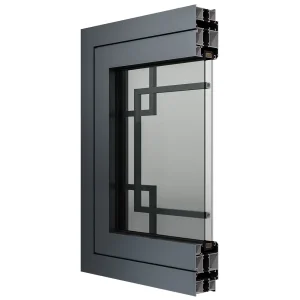
Our systems utilize high-strength polyamide structural struts mechanically crimped into the inner and outer aluminum extrusions. This allows for dual-color options (different interior and exterior frame finishes) and provides superior structural shear strength, suitable for heavy wind-loads and large spans of glass.
P&D polyurethane barriers involve filling a pre-extruded channel with liquid polyurethane structural polymer, then mechanically de-bridging the metal spine. This produces excellent thermal values and works well in medium-span residential applications where frame profiles are more compact.
For projects in high-density areas like Downtown Los Angeles (DTLA), Koreatown, and Hollywood, acoustic isolation is as critical as energy efficiency. Sound waves travel through rigid connections. The combination of polyamide thermal struts, multi-chambered EPDM gaskets, and asymmetric double- or triple-glazed units breaks down sound wave propagation. Our custom solutions achieve Sound Transmission Class (STC) ratings up to 45 dB, keeping urban noise out of residential and commercial spaces.
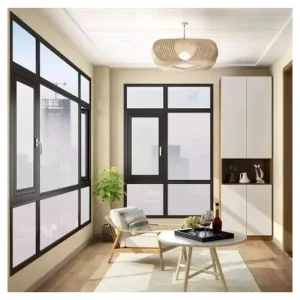
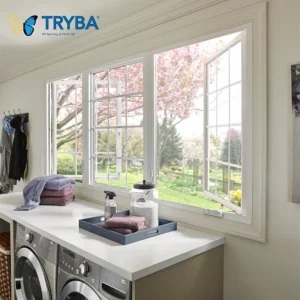
Sourcing building materials from international hubs requires reliable supply chains, consistent quality assurance, and clean logistics pathways. Our manufacturing base in Foshan, Guangdong, China—recognized globally as the focal point for architectural aluminum production—allows us to leverage deep supply networks, advanced machinery, and cost-effective production scaling. For US developers and importers, this translates to custom-designed architectural window systems manufactured to high specifications at highly competitive price points.
Our export process is structured to handle the logistics challenges of international shipping to the United States. We manage the supply chain from production to delivery at the Port of Los Angeles (POLA) or Port of Long Beach (POLB), ensuring compliance with US customs requirements, import duties, and local delivery schedules:
To demonstrate how our thermal break systems fit into the local landscape, let's explore three typical architectural applications in Los Angeles:
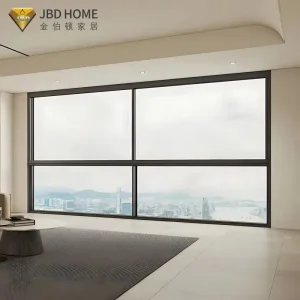
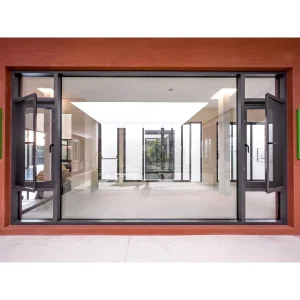
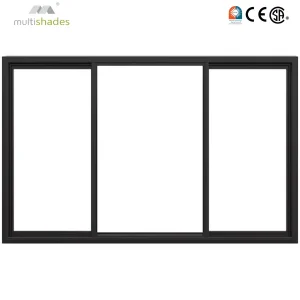
In locations like Beverly Hills, Malibu, and Bel Air, modern designs rely on large window areas and minimal sightlines. Our multi-slide pocket door configurations utilize structural polyamide breaks to support heavy triple-glazed panels, framing coastal and mountain views while satisfying energy codes.
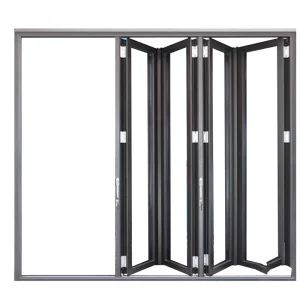
As Los Angeles builds more backyard cottage ADUs to address housing demands, energy footprints are strictly evaluated. Compact, high-efficiency bifold thermal break windows allow smaller spaces in Venice, Silver Lake, or Pasadena to stay well-insulated and open up to outdoor living areas.
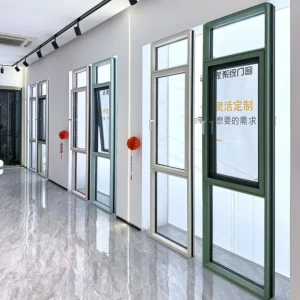
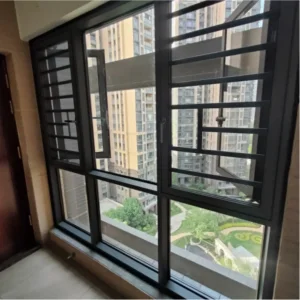
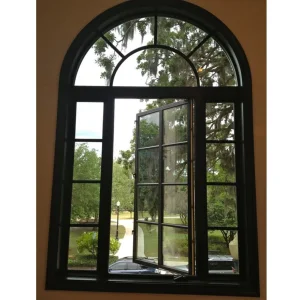
In multi-family and mixed-use structures across DTLA and Koreatown, our heavy-duty storefronts and casement windows provide structural stability, wind resistance, and acoustic insulation near transit lanes, while lowering cooling costs.
As international energy regulations become more stringent, the fenestration industry continues to innovate. We are refining our thermal break aluminum window systems to support next-generation sustainable buildings. Below are the key development areas on our technology roadmap:
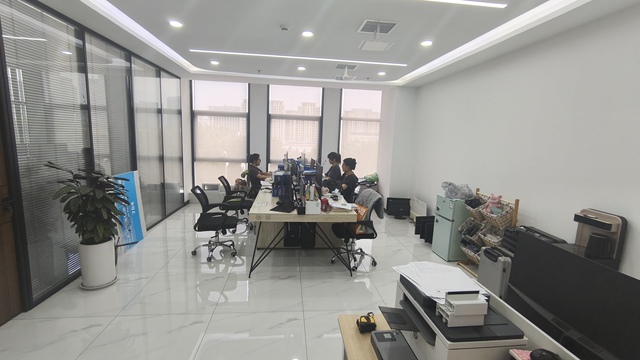
Foshan ORM Windows Co., Ltd. is a professional aluminum window manufacturer located in Foshan, Guangdong, China, one of the country's leading centers for architectural aluminum production and building materials manufacturing. Established in 2011, the company specializes in the design, engineering, manufacturing, and export of high-performance aluminum window systems for residential, commercial, and architectural projects worldwide.
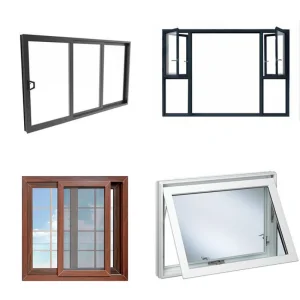
With a modern manufacturing facility covering more than 20,000 square meters and a team of over 280 skilled employees, ORM Windows is dedicated to providing reliable, energy-efficient, and aesthetically appealing window solutions. The company's product portfolio includes aluminum casement windows, sliding windows, awning windows, fixed windows, tilt-and-turn windows, thermal break window systems, double-glazed windows, and customized architectural window solutions designed to meet diverse building requirements.
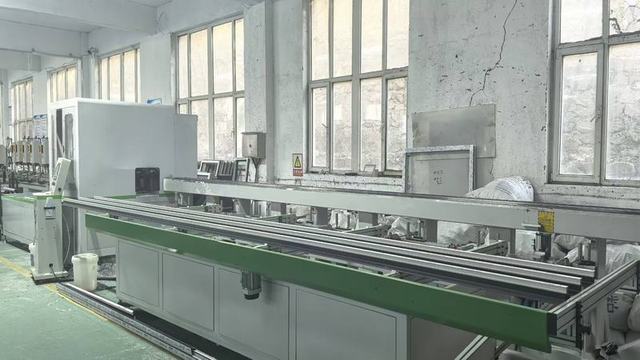
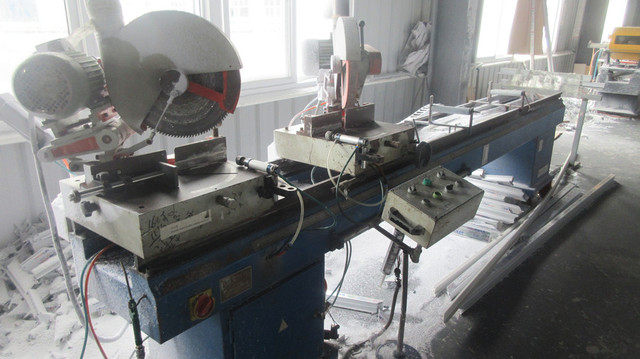
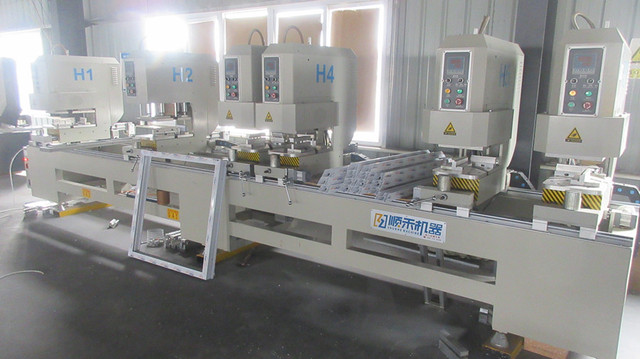
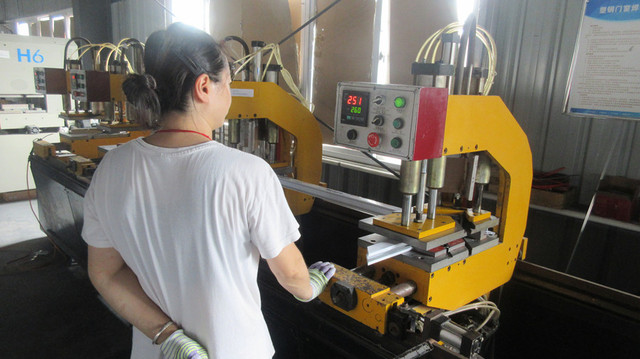
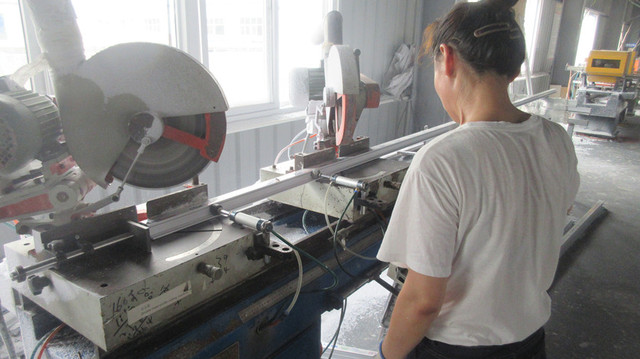
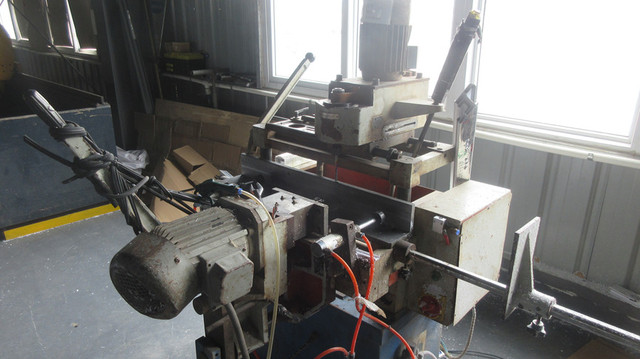
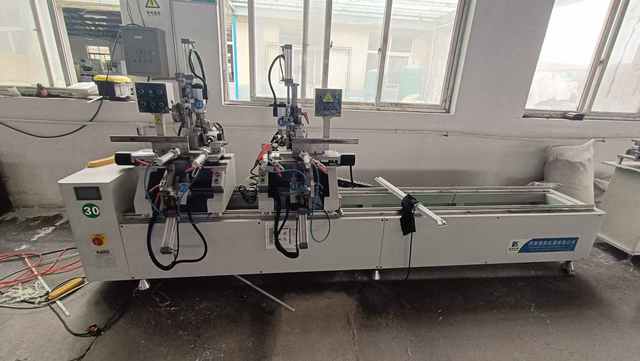
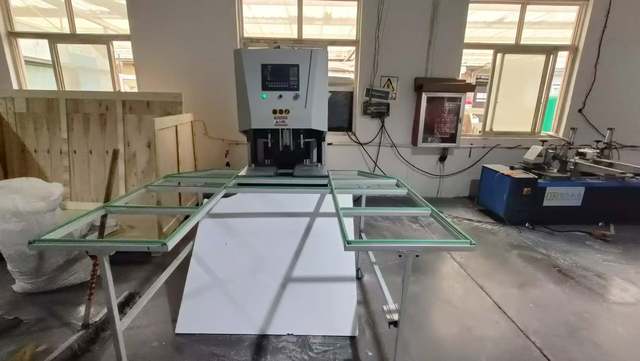
ORM Windows integrates advanced production equipment, precision fabrication technology, and strict quality management procedures throughout every stage of manufacturing. From aluminum profile processing and glass assembly to hardware installation and final inspection, every product is produced to ensure durability, weather resistance, thermal performance, and long-term reliability.
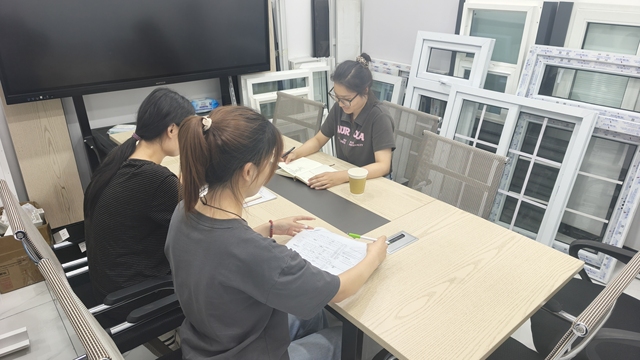
Supported by an experienced engineering and product development team, the company offers comprehensive OEM and ODM services, including customized dimensions, frame finishes, glazing options, hardware configurations, and private-label manufacturing. These flexible solutions enable builders, developers, distributors, and project contractors to meet specific market and project demands.
Serving customers across North America, Europe, the Middle East, Southeast Asia, Australia, and other international markets, Foshan ORM Windows Co., Ltd. has established a reputation for quality manufacturing, professional service, and dependable delivery. The company remains committed to providing innovative aluminum window solutions that enhance modern architecture while supporting sustainable and energy-efficient building development worldwide.
 ORM Windows