Featured high-performance windows optimized for San Francisco's residential density and noise isolation codes.
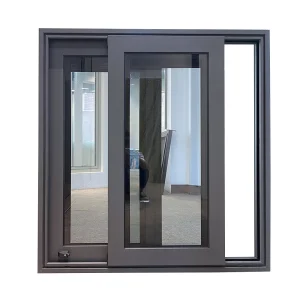
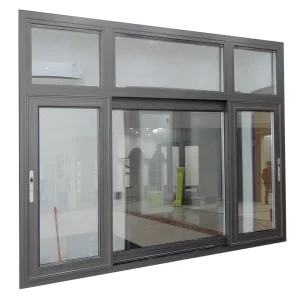
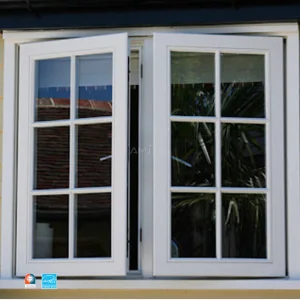
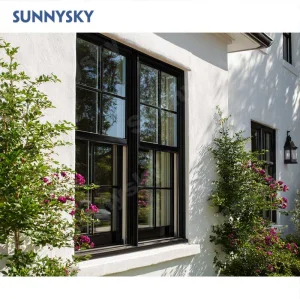
San Francisco represents one of the most demanding architectural zones in North America. Characterized by high density housing, major transit routes (BART, Muni, Caltrain), and proximity to flight paths from San Francisco International Airport (SFO) and Oakland International Airport (OAK), noise mitigation has transitioned from a luxury amenity to a mandatory building requirement. The San Francisco Department of Public Health and Planning Department enforce strict noise guidelines on new residential infills and commercial reconstructions, dictating maximum interior sound limits.
According to the San Francisco General Plan's Environmental Protection Element, transit-adjacent developments require building shells capable of reducing outdoor-to-indoor noise levels by up to 35 to 45 decibels (dB). Standard construction-grade windows fail to meet these parameters, leading to structural failures in acoustic compliance audits. This has created a massive localized demand for high-performance soundproof aluminum windows that integrate structural load resistance with high Sound Transmission Class (STC) ratings.
Tested and certified architectural performance metrics designed for high-density, coastal, and earthquake-prone environments of the US West Coast.
A breakdown of the material science, acoustic attenuation calculations, and thermal barrier integrations that set our structural systems apart.
Utilizing asymmetric glass thickness (e.g., 8mm + 12Argon + 6mm) paired with PVB (Polyvinyl Butyral) acoustic laminates. This disrupts sound wave resonance, capturing low-frequency traffic rumble and high-frequency aircraft hum.
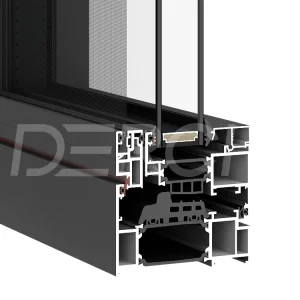
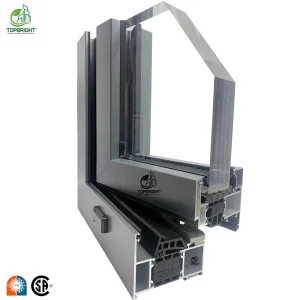
Integration of PA66-GF25 (polyamide reinforced with 25% fiberglass) structural thermal barriers. These isolators decouple the inner and outer aluminum frames, minimizing thermal bridging and blocking airborne noise paths.
Marine-grade EPDM continuous gaskets are installed at multiple seal points to prevent flanking noise paths. The airtight compression seal yields zero sound leakage and prevents coastal salt-mist intrusion.
Acoustic performance in window systems is governed by the Mass Law, damping capacity, and decoupling mechanisms. Standard aluminum is highly rigid, which makes it a potential conductor of vibration and sound waves if not structurally isolated. Our custom-manufactured systems leverage a split-profile design. The exterior extruded frame of architectural aluminum alloy (6063-T6) is physically separated from the interior frame using high-density structural polyamide thermal barriers. This separation ensures that sound waves striking the outer pane are dampened within the frame assembly itself before they can propagate into the living space.
Furthermore, standard insulated glass units (IGUs) utilize symmetrical glass sheets (such as 4mm glass on both sides of a spacer). This symmetry creates a shared resonance frequency, causing the glass to vibrate in unison and let external noise pass through easily. By engineered design, ORM’s soundproof windows deploy asymmetric insulated glazing (e.g., 6mm tempered glass + 12mm Argon spacer + 8.38mm acoustic laminated glass). The different thicknesses shift the coincidence frequencies, preventing the dual panes from vibrating at the same frequency, effectively dropping the sound energy by up to 45 decibels.
For builders, developers, and architects in California, energy performance is closely tied to structural integrity. Under the California Code of Regulations (CCR) Title 24, Part 6 (Building Energy Efficiency Standards), all fenestration products installed in new constructions or major alterations must adhere to strict limits regarding U-Factor and Solar Heat Gain Coefficient (SHGC). In Climate Zone 3 (encompassing San Francisco, San Mateo, Alameda, and Marin counties), local regulations require windows to meet stringent U-factor requirements (typically ≤ 0.30, and increasingly ≤ 0.24 for high-efficiency residential incentives).
Importantly, our NFRC (National Fenestration Rating Council) and AAMA (American Architectural Manufacturers Association) compliant window configurations are engineered to satisfy both acoustic isolation and Title 24 requirements concurrently:
By specifying window hardware systems certified under the NFRC, West Coast procurement managers ensure structural validation during final city inspections, reducing risk of construction delays and administrative fines.
Global Manufacturing Footprint, Custom Engineering & Export Capabilities
Foshan ORM Windows Co., Ltd. is a professional aluminum window manufacturer located in Foshan, Guangdong, China, one of the country's leading centers for architectural aluminum production and building materials manufacturing. Established in 2011, the company specializes in the design, engineering, manufacturing, and export of high-performance aluminum window systems for residential, commercial, and architectural projects worldwide.
With a modern manufacturing facility covering more than 20,000 square meters and a team of over 280 skilled employees, ORM Windows is dedicated to providing reliable, energy-efficient, and aesthetically appealing window solutions. The company's product portfolio includes aluminum casement windows, sliding windows, awning windows, fixed windows, tilt-and-turn windows, thermal break window systems, double-glazed windows, and customized architectural window solutions designed to meet diverse building requirements.
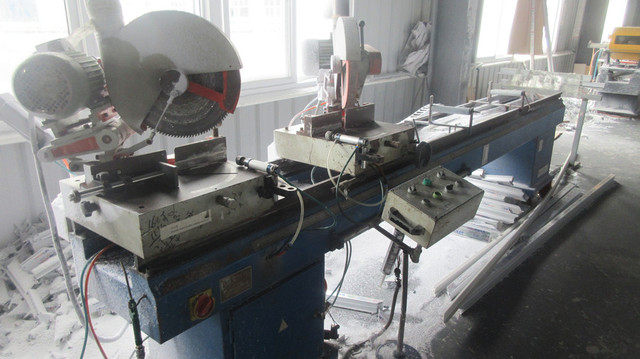
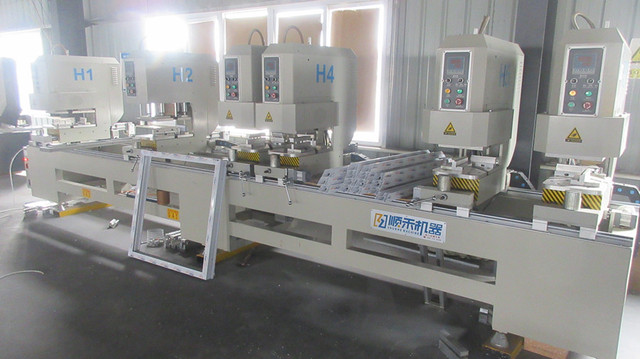
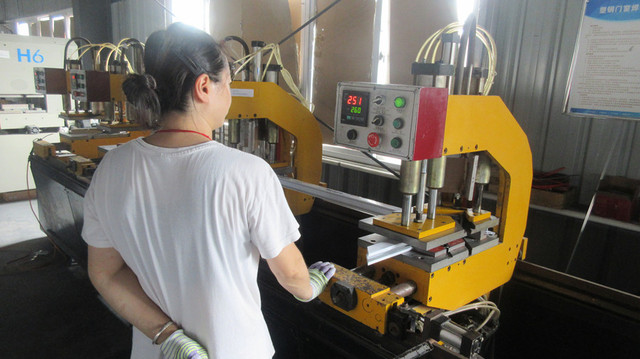
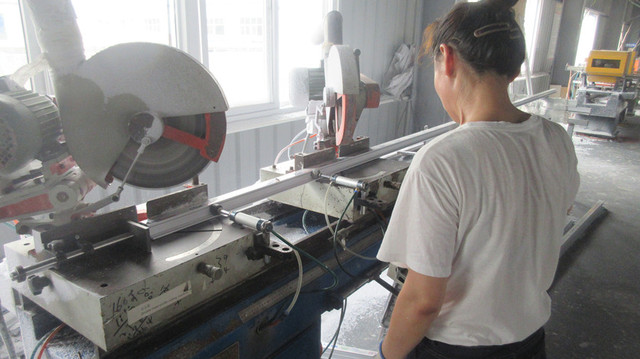
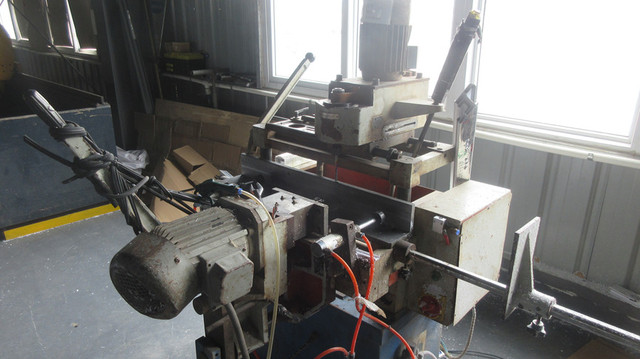
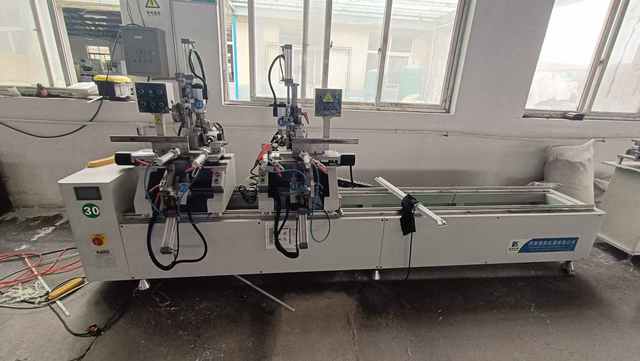
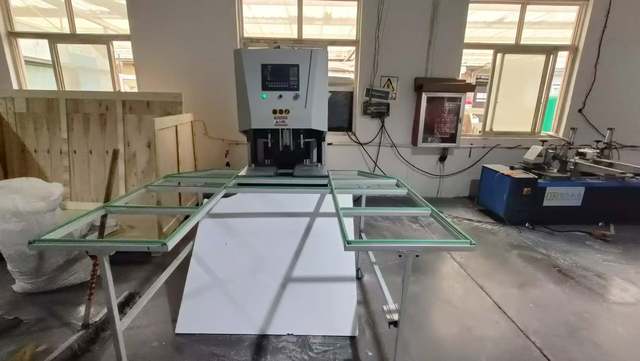
ORM Windows integrates advanced production equipment, precision fabrication technology, and strict quality management procedures throughout every stage of manufacturing. From aluminum profile processing and glass assembly to hardware installation and final inspection, every product is produced to ensure durability, weather resistance, thermal performance, and long-term reliability.
Supported by an experienced engineering and product development team, the company offers comprehensive OEM and ODM services, including customized dimensions, frame finishes, glazing options, hardware configurations, and private-label manufacturing. These flexible solutions enable builders, developers, distributors, and project contractors to meet specific market and project demands.
Our dedicated North American export division coordinates with local structural engineers, freight forwarders, and logistics services at the Port of Oakland to ensure seamless delivery. Every shipment is packaged in customized, seaworthy steel-framed wooden crates to eliminate scratch hazards, transit-induced vibrations, or structural damage.
Serving customers across North America, Europe, the Middle East, Southeast Asia, Australia, and other international markets, Foshan ORM Windows Co., Ltd. has established a reputation for quality manufacturing, professional service, and dependable delivery. The company remains committed to providing innovative aluminum window solutions that enhance modern architecture while supporting sustainable and energy-efficient building development worldwide.


Pioneering future-proof building envelopes for smart cities and carbon-neutral architectural demands.
As construction dynamics adapt to Net-Zero building criteria, windows are evolving from passive components into active energy management tools. Over the next decade, Foshan ORM Windows is investing heavily in the following development sectors:
Vacuum Insulated Glass (VIG) represents the future of architectural glazing. By replacing the traditional air or gas-filled space between double panes with a near-absolute vacuum (under 0.1 Pa), heat conduction is virtually eliminated, and sound transmission is minimized. VIG enables exceptionally thin profile window assemblies to achieve thermal performance matching solid walls (U-factors as low as 0.10 Btu/h·ft²·°F) while simultaneously reducing structural load and optimizing acoustic ratings.
In cooperation with regional chemical laboratories, ORM is developing window profiles where inner aluminum chambers are injected with silica aerogels. This ultra-lightweight material acts as an exceptional barrier to thermal energy and acoustics, preventing acoustic vibration and helping to ensure compliance with strict future updates to California’s Title 24 standards.
Next-generation commercial structures in San Francisco require integrated smart dynamic glazing. These systems communicate directly with Building Management Systems (BMS), modifying solar heat gain coefficient (SHGC) profiles in real-time based on atmospheric conditions and light intensity. This integration reduces mechanical HVAC reliance and provides a sustainable approach to urban climate management.
Crucial technical questions answered for architects, estimators, and construction supervisors in the San Francisco Bay Area.
Complete structural directory of our export-ready acoustic and thermally broken aluminum window systems.
 ORM Windows