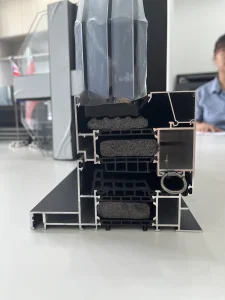
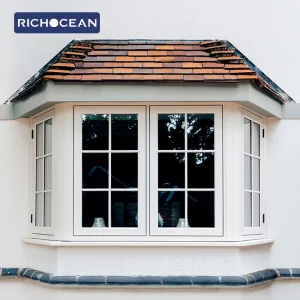
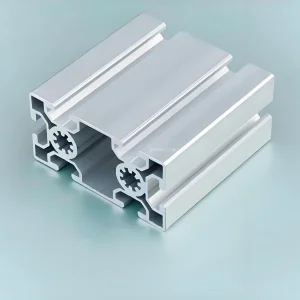
These four selected architectural configurations showcase the core parameters of thermal efficiency, wind-resistance, and high structural load capacities required for industrial zones, administrative sectors, and commercial hubs in severe environments.
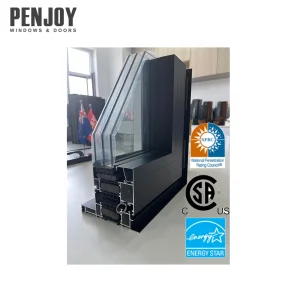
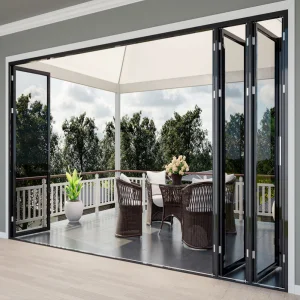
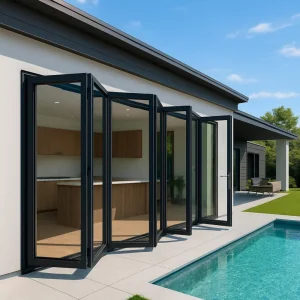
Modern architectural and industrial development within key zones of the Democratic People's Republic of Korea (DPRK), such as the Rason Special Economic Zone, the Kaesong Industrial Complex, and urban reconstruction areas in Pyongyang, demands structural materials of the highest resilience and performance. The geographic and climatic reality of the Korean Peninsula dictates extreme architectural requirements: bitter sub-zero winters where Siberian winds sweep across northern regions, coupled with humid, typhoon-prone summer seasons along coastal logistics corridors like Nampo, Wonsan, and Sinuiju.
For large-scale warehouses, logistics depots, and administrative offices, windows represent the primary point of thermal transfer and structural vulnerability. Traditional fenestration systems are highly susceptible to deformation under high wind pressures and suffer from massive heat loss, escalating heating fuel consumption during freezing winters. Consequently, state enterprise planners and foreign investment contractors are transitioning rapidly toward high-strength, thermal break aluminum alloy profiles. These modern solutions satisfy strict criteria for thermal isolation, seismic safety, and longevity, reducing the total lifecycle cost of institutional infrastructure.
To operate effectively in these zones, aluminum frame configurations must meet optimized structural standards:
The transition from structural steel or unreinforced PVC frames to high-performance aluminum alloys is driven by engineering necessity. Aluminum offers an unparalleled strength-to-weight ratio, allowing architects to design expansive floor-to-ceiling glazing systems that maximize natural daylighting while maintaining complete structural integrity. However, because aluminum is highly conductive, untreated profile designs will cause thermal bridging, leading to interior condensation, mold, and severe energy loss.
Foshan ORM Windows Co., Ltd. implements a multi-stage technological strategy to resolve these issues for industrial projects:
By inserting precision-engineered polyamide barriers reinforced with 25% glass fiber between the interior and exterior aluminum chambers, ORM Windows effectively splits the frame. This mechanical break minimizes conductive heat paths. For projects in northern regions where winter temperatures plummet below -20°C, we utilize multi-cavity thermal break designs up to 75mm wide, achieving a significant insulation barrier that reduces indoor heating demands by more than 35% compared to non-thermal break frames.
Window glass accounts for up to 80% of a fenestration unit's surface area. Our specialized architectural solutions utilize dual and triple-pane insulated glass units (IGUs) filled with 90% concentration Argon gas. By integrating Low-Emissivity (Low-E) coatings on surface position #2 or #3, solar heat gain coefficients (SHGC) are optimized to retain radiant heating during winter while reflecting excessive infrared solar load during the hot summer months. Tempered safety glass is standard across all heavy-duty industrial configurations to prevent injury from physical impacts or wind-blown debris.
Industrial projects demand customized solutions tailored to specific architectural typologies. Foshan ORM Windows Co., Ltd. provides engineered systems designed to address distinct commercial scenarios:
Large manufacturing facilities and logistics warehouses require high-durability sliding systems and overhead glass venting panels. These installations must accommodate high vibration levels caused by heavy machinery while maintaining absolute airtightness to preserve interior climate control. Our 6000-series structural extrusion systems guarantee long-term stability and resistance to structural settling.
For heavy industrial environments, including locomotive assembly plants, shipyards, and heavy machinery factories, traditional windows cannot withstand the massive wind shear and mechanical stresses. Our custom-designed industrial motorized roller shutters and heavy-duty hangar window systems integrate reinforced steel-aluminum composite profiles, preventing structural failure under intense pressure.
Modern administrative offices and executive quarters require a balance of architectural aesthetics and high performance. Ultra-slimline casement window designs maximize glass surface areas, giving structures a clean, minimalist profile. These systems provide excellent acoustic attenuation (up to 42dB) to isolate administrative workspace interiors from surrounding factory floor noises.
Located in the heart of Foshan, Guangdong Province—the premier global hub for aluminum extrusion and architectural hardware—Foshan ORM Windows Co., Ltd. leverages a highly sophisticated manufacturing ecosystem. Established in 2011, our 20,000-square-meter facility operates in accordance with Industry 4.0 guidelines, integrating digital production controls and precision fabrication machinery.
This localized supply chain integration allows ORM Windows to control every variable of the manufacturing pipeline: from raw alloy billet extrusion and thermal break insertion to automated CNC machining, double-glazed glass assembly, and multi-stage quality control. Operating with over 280 skilled personnel and an in-house engineering and R&D department, we possess the scale and technical capability to produce over 150,000 square meters of high-performance windows annually. This ensure that all B2B orders are processed with short lead times and absolute mechanical consistency.
Every phase of our production cycle—extrusion alignment, corner crimping, and EPDM gasket integration—is verified under strict ISO 9001 quality management protocols. Below is a look at our production floor, showcasing our machinery and fabrication capacity:
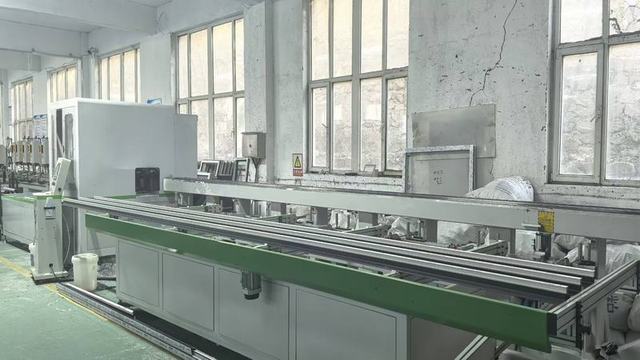
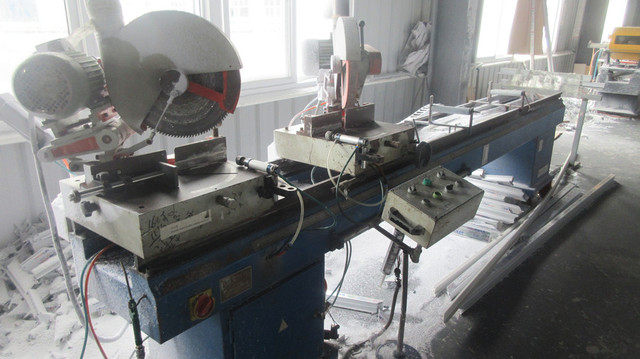
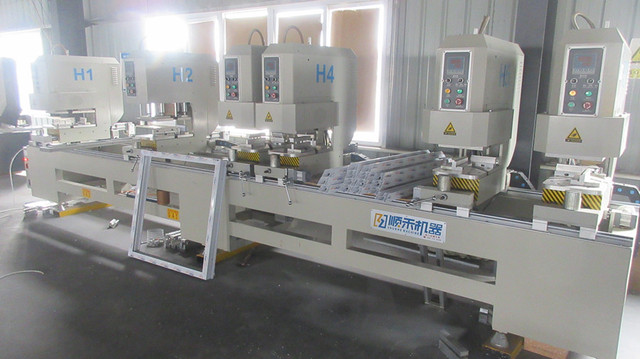
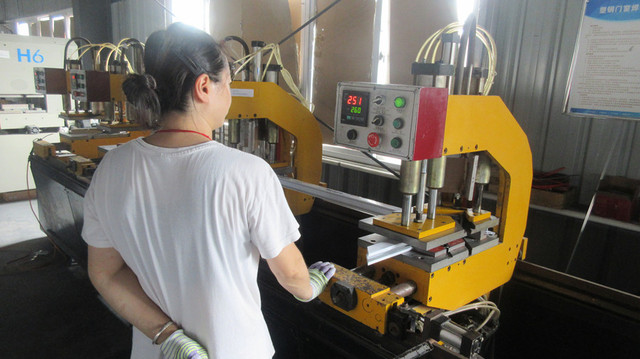
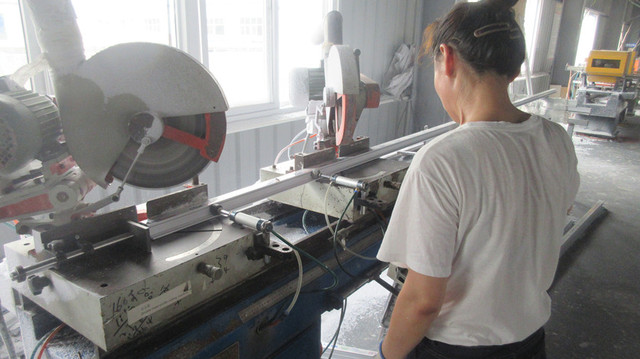
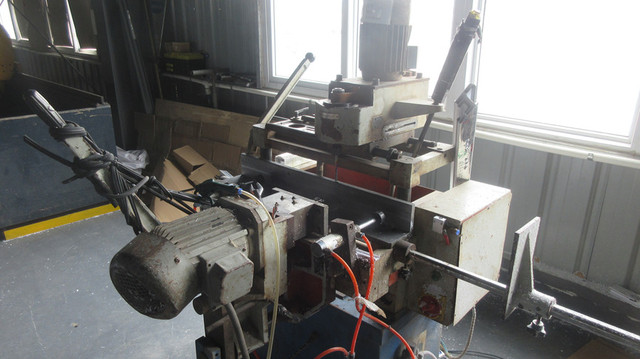
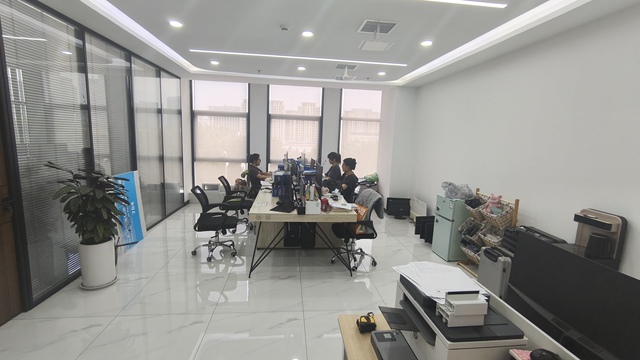
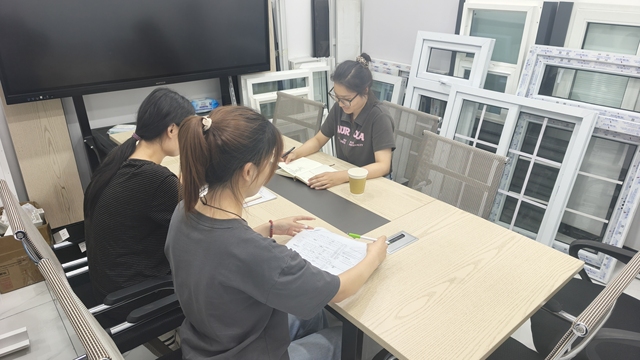
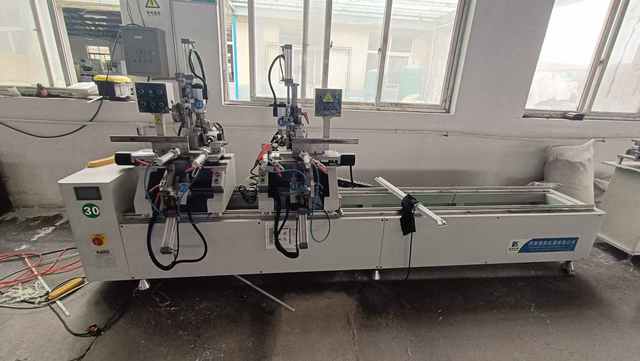
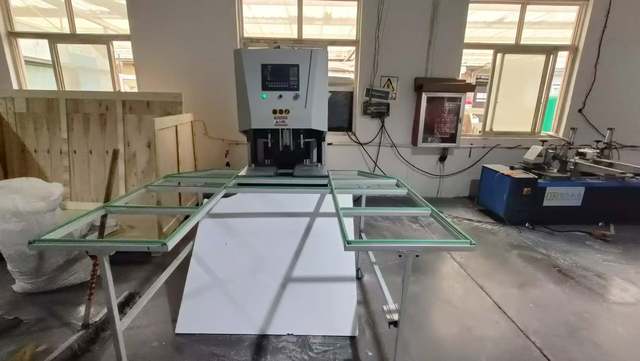
Deploying major building materials to industrial zones in North Korea requires rigorous adherence to regional technical and logistics constraints. Over more than a decade of active export operations, ORM Windows has refined its transport mechanisms and localized service standards to ensure trouble-free project integration.
Shipping large-format structural window panels requires reliable and secure transport. We utilize established multimodal shipping lanes to facilitate safe delivery:
Our engineering team works directly from contractor blueprints, converting CAD elevations into precise production cutting sheets. We ensure full compliance with regional structural requirements and wind load constraints, providing pre-machined hardware mounting holes and detailed assembly instructions to streamline installation on-site.
Select from our comprehensive list of heavy-duty aluminum configurations, structural extrusions, and roller systems. Every link matches the certified mechanical and structural profile details.
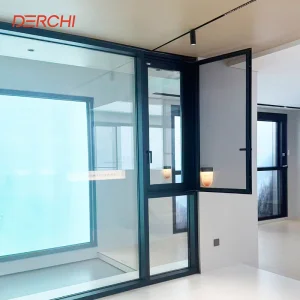
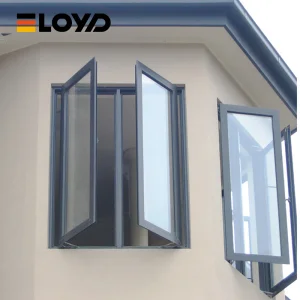
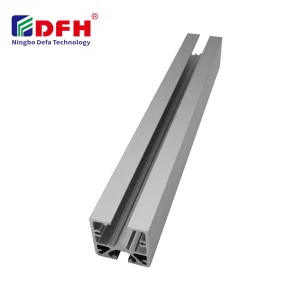
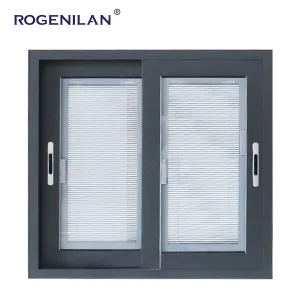
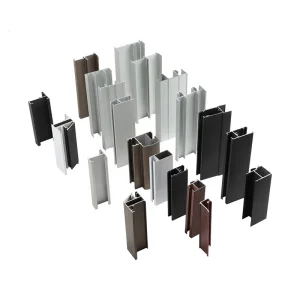
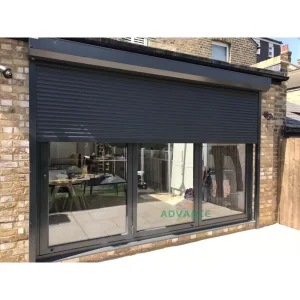
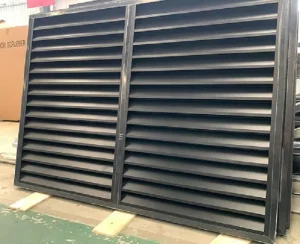
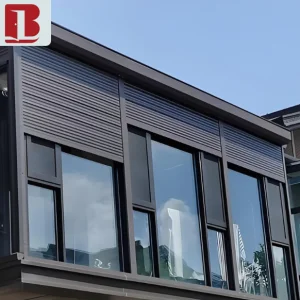
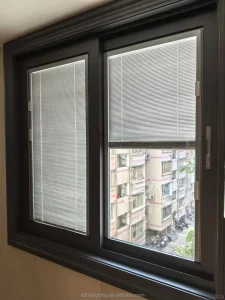
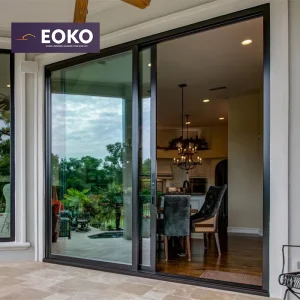
For engineering departments, structural consultants, and purchasing managers coordinating high-priority installations, verifying baseline physical requirements is critical. The following reference values detail the structural limits and certification baselines of our product line:
| Technical Parameter | Specification / Range | International Standard Met |
|---|---|---|
| Aluminum Alloy & Temper | 6063-T5, 6063-T6, 6061-T6 (High Strength Extrusions) | GB/T 5237, ASTM B221 |
| Thermal Transmittance | 1.0 to 1.6 W/(m²·K) (Depending on Glazing & Spacer Specs) | EN ISO 10077-1 / EN 12412-2 |
| Wind Pressure Resistance | Class 8 (up to 5.0 kPa Serviceability Design Pressure) | EN 12210 / ASTM E330 |
| Airtightness Performance | Class 4 (Positive Pressure Air Leakage ≤ 0.5 m³/h·m) | EN 12207 / ASTM E283 |
| Watertightness Performance | Class 9A (No Water Penetration at 600 Pa) | EN 12208 / ASTM E331 |
| Hardware Configurations | German Siegenia, Roto Frank, Hoppe, or High-Grade China Brands | EN 13126 (Durability Certification) |
ORM Windows ensures complete traceability of raw materials. Each batch of aluminum billets undergoes chemical testing, and anodizing layer thicknesses are monitored with micro-level gauges. All structural glazing meets international impact standards (such as EN 12600 and ANSI Z97.1), confirming mechanical safety under high wind speeds and extreme structural loads.
Understanding the logistical and engineering realities of shipping high-performance building systems to regional worksites is critical for project success. Below are answers to frequent questions from B2B buyers:
Get in touch with our engineering team for detailed structural assessments, material certifications, and custom commercial pricing for your next major project.
Send Inquiry Now ORM Windows