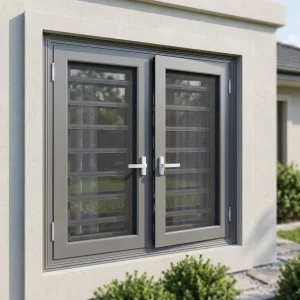
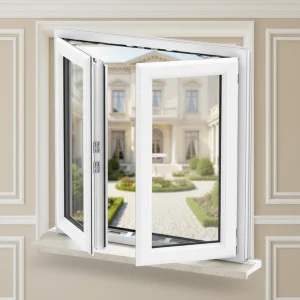
Engineered for architectural elegance and extreme climate performance in key Kenyan urban nodes.


Understanding the structural, environmental, and physical factors driving advanced window specification in East Africa's leading economic hub.
Kenya, spearheaded by the dynamic growth of Nairobi (with commercial real estate hubs like Upper Hill, Westlands, and Kilimani) and coastal commercial expansion in Mombasa, is undergoing an unprecedented architectural renaissance. Modern architectural designs favor towering structural profiles and glass-clad facades. However, high-rise building windows in Kenya cannot simply be standard domestic configurations. They are key structural elements that must handle extreme weather conditions while maintaining comfort inside the building.
Designing high-rise building envelopes in Kenya requires addressing several geographical challenges. First, high elevation levels (Nairobi is situated at approximately 1,795 meters above sea level) lead to heightened solar radiation (high UV index) and dynamic wind pressures. Second, localized wind loads acting upon buildings taller than 50 meters rise exponentially, creating massive positive and negative (suction) wind forces. Traditional low-end aluminum sections bend and fail under these conditions, leading to dangerous air leaks, structural failure, and water ingress during heavy seasonal storms.
Furthermore, energy conservation has shifted from a voluntary green credential to a regulatory mandate in modern East African building codes. High-rise structures with poor thermal insulation properties suffer from high HVAC cooling costs due to solar heat gain. By adopting structural glazing, curtain wall networks, and high-performance thermal break window assemblies, commercial real estate developers can reduce energy costs by up to 30%, which is critical for long-term property valuations.
An engineering-focused breakdown of mechanical values, structural calculations, and glazing innovations.
In high-rise construction, the window frame behaves as a structural beam supporting lateral wind loads and transferring them back to the primary concrete or steel frame of the building. The structural integrity is dictated by the Moment of Inertia ($I_x$) of the aluminum mullions. The minimum wall thickness of the aluminum profiles used in high-rises must not be less than 2.0mm to 3.0mm, depending on structural calculation requirements. Working with Foshan ORM Windows Co., Ltd. gives developers access to computer-aided structural design software. This allows us to run finite element analysis (FEA) to ensure that the maximum deflection ($f$) of any window frame does not exceed L/180 or 20mm under extreme wind load conditions.
For high-rise designs, standard single pane float glass is a safety risk and offers no thermal protection. Instead, double-glazed (or triple-glazed) insulated glass units (IGUs) are the modern standard. These units feature high-performance double-silver Low-E (Low Emissivity) coatings, reflecting long-wave infrared heat (solar radiation) while maintaining high visible light transmittance (VLT). The space between the glass panes is filled with 90% purity Argon gas and sealed with dual-component structural silicone to limit convective heat transfer. This reduces the Solar Heat Gain Coefficient (SHGC) to below 0.30, keeping building interiors cool without relying on constant air conditioning.
| Glazing Type Configuration | Visible Light Transmittance (VLT) | Solar Heat Gain Coeff (SHGC) | U-Value (W/m²·K) | Acoustic Insulation (Rw) |
|---|---|---|---|---|
| Single Clear Glass (6mm) | 89% | 0.82 | 5.8 | 28 dB |
| Double Clear IGU (6mm + 12A + 6mm) | 78% | 0.70 | 2.7 | 32 dB |
| Single Low-E IGU (6mm Low-E + 12Ar + 6mm) | 65% | 0.40 | 1.8 | 35 dB |
| Double Silver Low-E IGU with Argon (6mm + 16Ar + 6mm) | 60% | 0.28 | 1.4 | 38 dB |
| Laminated Triple Glass (6mm Low-E + 12Ar + 5mm + 1.14PVB + 5mm) | 52% | 0.24 | 1.1 | 42 dB + |
Modern cities like Nairobi experience constant traffic and industrial noise. Controlling sound levels is critical for high-rise apartments, hotels, and office spaces. Soundproofing requires decoupling sound waves as they pass through the window. This is achieved by combining varying glass thicknesses (e.g., 6mm + 8mm) to disrupt sound frequencies, using multi-layer PVB (Polyvinyl Butyral) laminated glass interlayer systems, and integrating triple-seal EPDM (Ethylene Propylene Diene Monomer) gaskets. This combination delivers sound transmission class (STC) ratings exceeding 40 dB, creating a quiet and comfortable indoor environment.
Providing engineered systems built to withstand the unique climate and wind conditions of high-altitude and coastal East Africa.
Ideal for fast track high-rise installations. Prefabricated under factory conditions at our China plant, these systems arrive ready for site crane hoisting, reducing on-site labor and alignment issues in Nairobi.
An economical alternative to full curtain walls. These sit inside the concrete floor plates, reducing structural load demands while providing floor-to-ceiling panoramic views and clean structural lines.
Utilizing premium European hardware lines (Sobinco, Giesse, Siegenia) paired with double and triple EPDM compression gaskets to ensure zero water leakage under extreme rain conditions.
How Foshan ORM Windows Co., Ltd. combines advanced manufacturing technology with efficient logistics pipelines to support projects across Kenya.
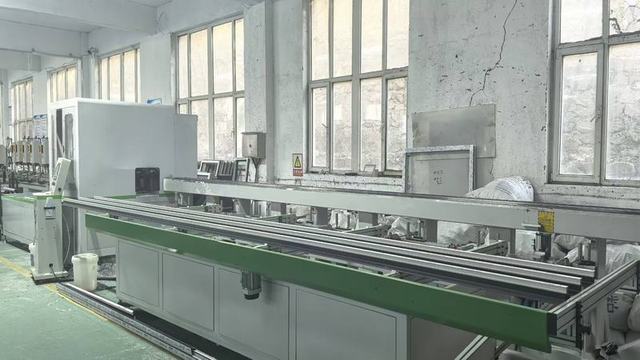
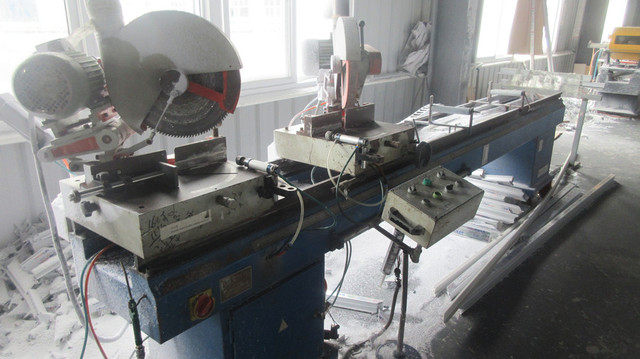
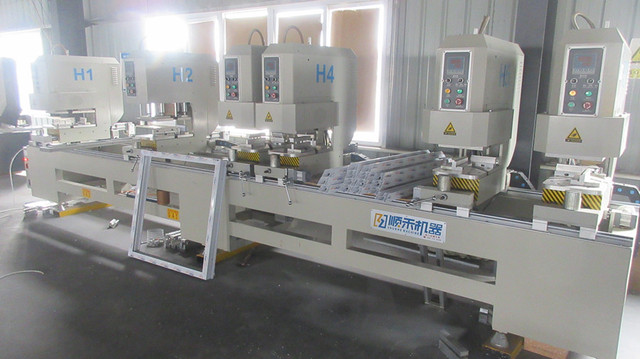
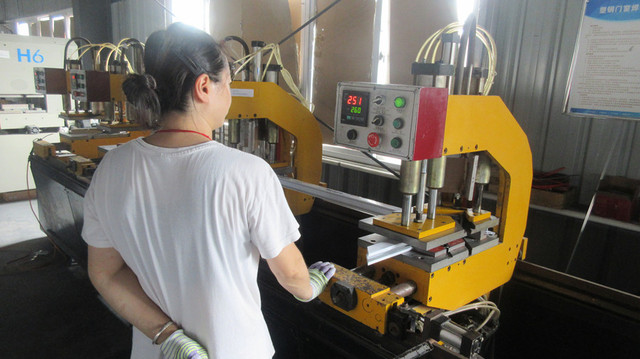
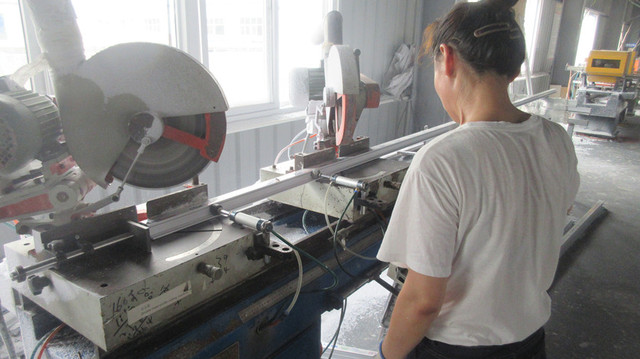
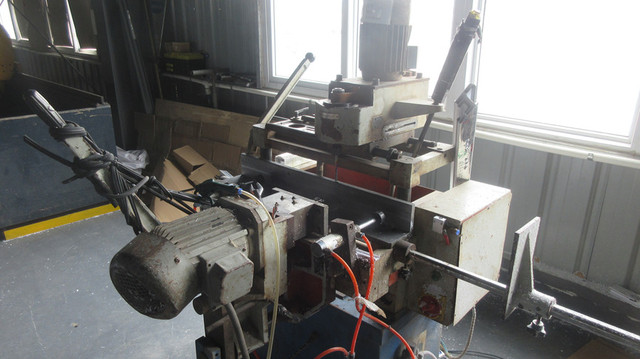
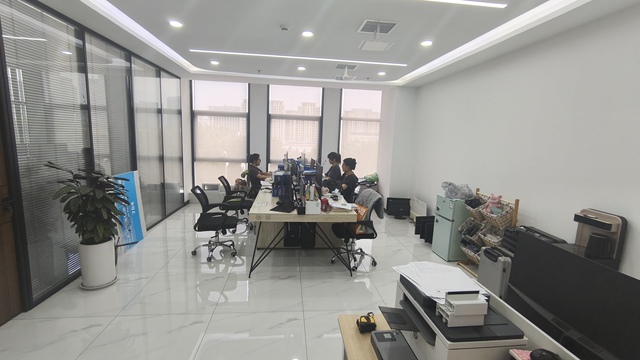
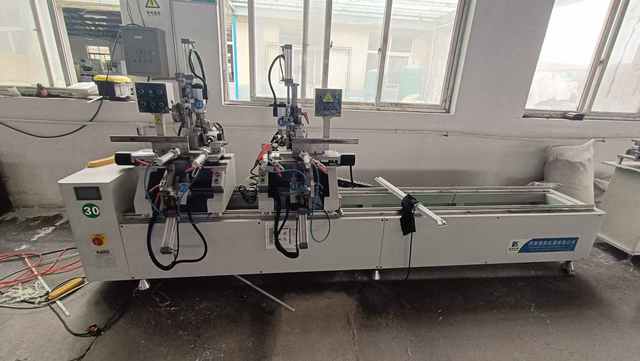
Established in 2011 in Foshan, Guangdong—the heart of China's high-tech architectural aluminum industry—Foshan ORM Windows Co., Ltd. operates a modern production facility spanning over 20,000 square meters. Our team of 280+ engineering and manufacturing specialists utilizes fully automated CNC extrusion, machining, and cutting centers. By automating our lines, we maintain dimensional tolerances within fractions of a millimeter, ensuring perfect sealing and structural alignment across every production run.
To support high-rise developers in Kenya, our logistics pipeline is built for efficiency and reliability. The journey begins with automated loading and secure packing at our Foshan facility to protect profiles and glazing units. Cargo is shipped from Guangzhou or Shenzhen ports directly to Mombasa Port, and then transported via the Standard Gauge Railway (SGR) directly to Nairobi ICD. This streamlined supply chain ensures on-time delivery to keep project construction schedules on track.
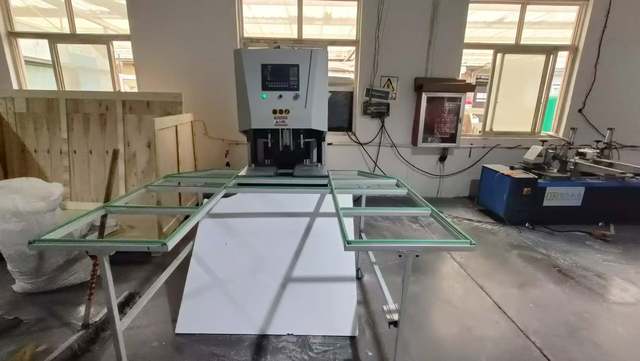
Our window systems are fully certified to meet national and international high-rise building regulations.
In Kenya, the Kenya Bureau of Standards (KEBS) enforces building guidelines to ensure structural safety. Importing building materials requires compliance with these structural codes. At Foshan ORM Windows Co., Ltd., we provide complete documentation packages for our shipments, including physical test certificates. Our window designs are engineered to meet global standards like AS2047 (Australian Standard), NFRC (National Fenestration Rating Council), and European CE directives.
Explore our full line of high-performance architectural systems, engineered for premium residential and commercial high-rise projects in Kenya.
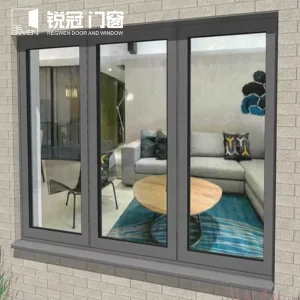
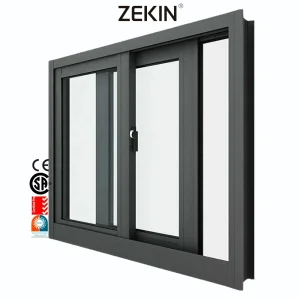
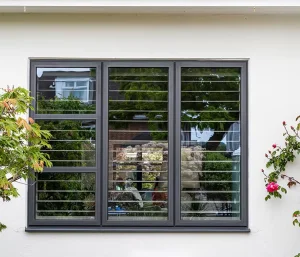
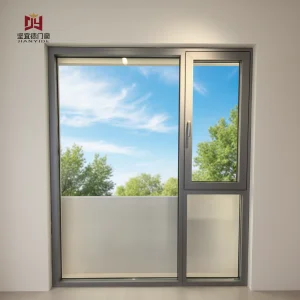

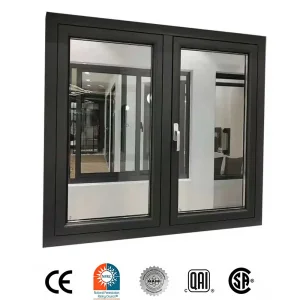
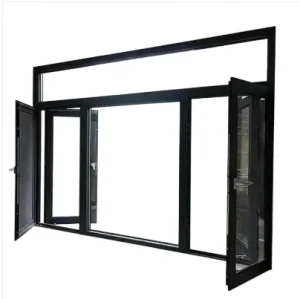

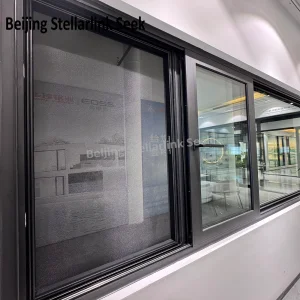
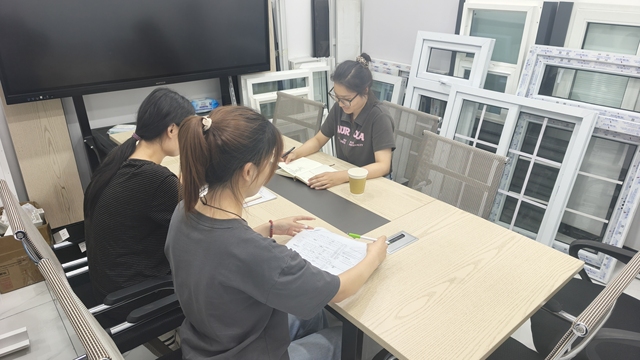
How we partner with developers, structural engineers, and contractors in Kenya to ensure successful project delivery.
Send us your architectural CAD or Revit files. Our engineers will verify wind load requirements, wall thickness, and opening profiles.
We run thermal and acoustic simulation reports (SHGC, U-Value, STC) to match localized energy regulations in Kenya.
Using CNC equipment, we fabricate the systems with precise tolerances, followed by triple-inspected packaging.
Direct shipping to Mombasa port, with SGR transit to Nairobi ICD. We provide complete documentation for custom clearance.
Answers to key engineering, importing, and structural questions for high-rise projects in Kenya.
Partner with Foshan's leading high-performance fenestration exporter. Get custom engineering, technical design verification, and competitive factory-direct pricing.
Send Inquiry Now ORM Windows