The construction ecosystem in the Kingdom of Saudi Arabia (KSA) is undergoing a paradigm shift. Propelled by the grand visions of Saudi Vision 2030 and the Saudi Green Initiative, the regional building standards have evolved rapidly. Rapid industrial expansion combined with desert climates where temperatures regularly breach 50°C (122°F) has placed fenestration engineering under intense regulatory scrutiny.
Under the mandatory Saudi Building Code (SBC 601 - Energy Conservation), building envelopes must maintain exceptionally low thermal transmittance values (U-values). Uninsulated aluminum profiles represent a severe thermal bridge, triggering astronomical cooling loads on HVAC networks. High-quality, thermally-broken aluminum windows have transitioned from a luxury specification to a foundational commercial mandate across projects in Riyadh, Jeddah, Dammam, and the Giga-project nodes like NEOM and the Red Sea Development.
Consequently, finding the right aluminum window manufacturer who understands the regional standard certifications, SASO approvals, and structural requirements for wind and sand resistance is critical for project success and long-term cost containment.
Strict U-value limits (often requiring U-values below 1.8 W/m²K depending on the climate zone and building type) demand advanced thermal break polyamide barriers (PA66-GF25) and specialized Low-E glazing setups.
Desert storms carry micro-fine particulate matter. Triple-sealed EPDM configurations and multi-point hardware locks ensure high wind-load ratings and zero sand infiltration inside active zones.
Foshan (Guangdong, China) is the undisputed global hub for architectural aluminum. The concentration of advanced smelting, mold extrusion, and surface treatment facilities provides unparalleled material access, lowering production overheads.
Integrated OEM and ODM pipelines allow factories like Foshan ORM Windows to execute bespoke geometries, non-standard sizing, and custom structural glazing matching complex architectural schematics.
Foshan exporters carry deep knowledge of Western and Middle-Eastern testing regimes. Products undergo structural wind load testing, ASTM water penetration, and NFRC certified thermal analysis.
Architects and engineers designing modern infrastructure in Saudi Arabia must navigate severe climate parameters: extreme UV index ratings, thermal shock, dust deposition, and localized wind loads (especially in coastal zones like Jeddah or Yanbu). To survive these conditions while minimizing building energy footprint, traditional aluminum windows have undergone rapid technological evolution.
Aluminum is a highly conductive metal. Left uninsulated, heat transfers directly from the exterior face of the building envelope to the interior space, overwhelming the air conditioning system. Modern thermal break profiles solve this issue by inserting a multi-cavity glass-fiber reinforced polyamide strip (PA66-GF25) between the interior and exterior aluminum extrusions. This breaks the heat path, lowering overall thermal conduction and allowing the window frame to comply with strict energy-efficiency thresholds.
In hot desert environments, solar radiation is the single largest contributor to interior heat gain. Modern fenestration utilizes double- or triple-glazed units containing a microscopic metal oxide coating known as Low-E (low-emissivity). This coating reflects infrared (heat) radiation while allowing high visual light transmission (VLT), maximizing daylighting without the associated thermal penalty. Double-glazed systems with a 12mm to 16mm argon gas-filled space provide optimal thermal isolation, achieving U-values as low as 1.4 - 1.8 W/m²K.
Due to the aggressive combinations of high UV exposure, salt mist in coastal regions, and sand-abrasion in inland plains, the surface finish of aluminum profiles must satisfy premium standards. PVDF (Polyvinylidene Fluoride) coatings or architectural-grade electrostatic powder coatings (Qualicoat Class 2 or Class 3) are utilized to prevent color degradation, chalking, peeling, and corrosion over decades of exposure.
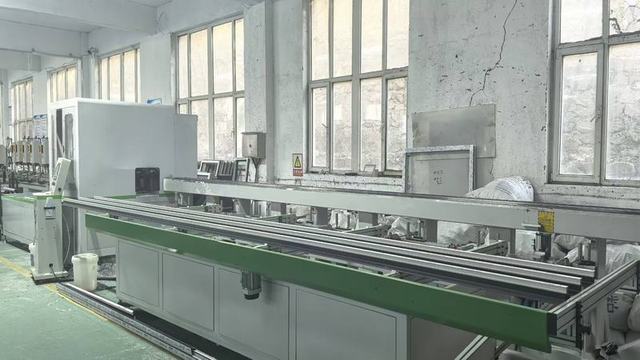
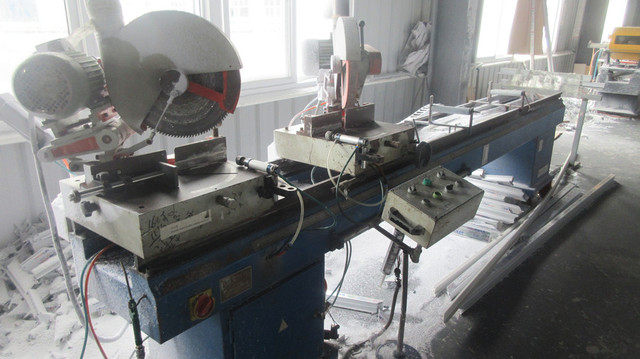
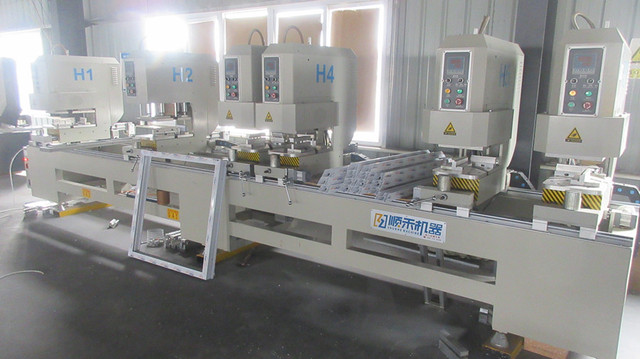
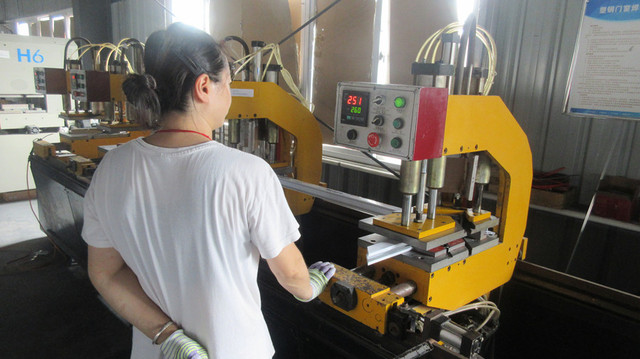
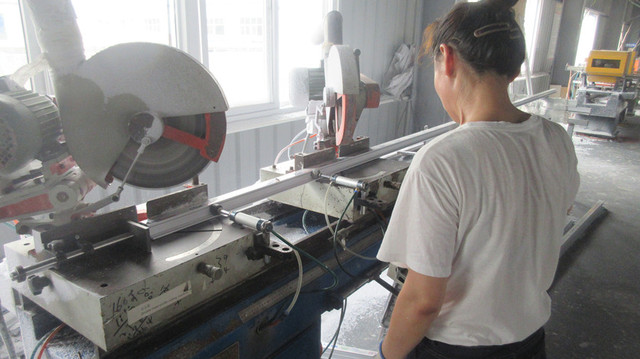
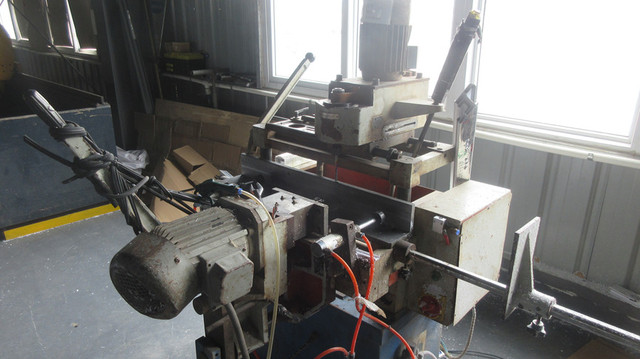
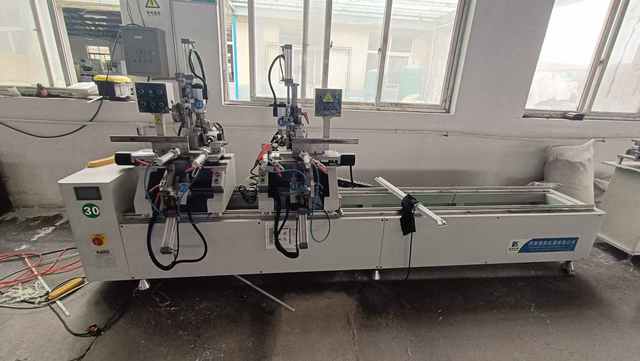
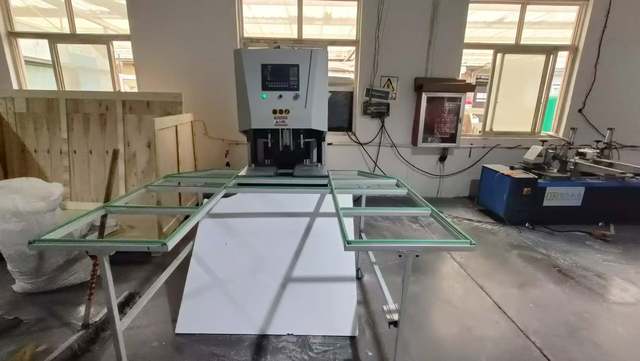
Precision is key to performance. The modern manufacturing lines at Foshan ORM Windows Co., Ltd. leverage automated CNC machining centers for profile cutting, corner crimping, and hardware routing. Standardized tolerances of within a fraction of a millimeter ensure that multi-point locking systems and EPDM sealings sit perfectly flush, eliminating air leakage (infiltration) and protecting the building interior from sandstorms and noise pollution.
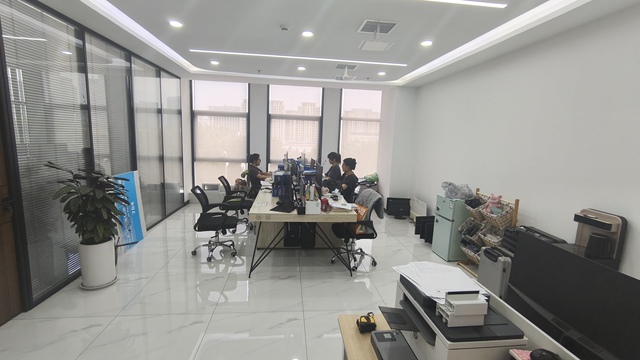
Foshan ORM Windows Co., Ltd. is a professional aluminum window manufacturer located in Foshan, Guangdong, China, one of the country's leading centers for architectural aluminum production and building materials manufacturing. Established in 2011, the company specializes in the design, engineering, manufacturing, and export of high-performance aluminum window systems for residential, commercial, and architectural projects worldwide.
With a modern manufacturing facility covering more than 20,000 square meters and a team of over 280 skilled employees, ORM Windows is dedicated to providing reliable, energy-efficient, and aesthetically appealing window solutions. The company's product portfolio includes aluminum casement windows, sliding windows, awning windows, fixed windows, tilt-and-turn windows, thermal break window systems, double-glazed windows, and customized architectural window solutions designed to meet diverse building requirements.
ORM Windows integrates advanced production equipment, precision fabrication technology, and strict quality management procedures throughout every stage of manufacturing. From aluminum profile processing and glass assembly to hardware installation and final inspection, every product is produced to ensure durability, weather resistance, thermal performance, and long-term reliability.
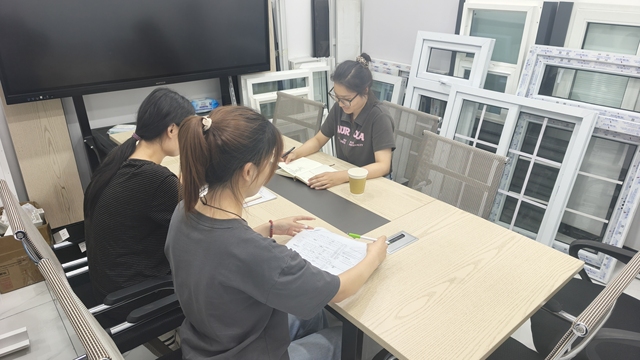
Supported by an experienced engineering and product development team, the company offers comprehensive OEM and ODM services, including customized dimensions, frame finishes, glazing options, hardware configurations, and private-label manufacturing. These flexible solutions enable builders, developers, distributors, and project contractors to meet specific market and project demands.
Serving customers across North America, Europe, the Middle East, Southeast Asia, Australia, and other international markets, Foshan ORM Windows Co., Ltd. has established a reputation for quality manufacturing, professional service, and dependable delivery. The company remains committed to providing innovative aluminum window solutions that enhance modern architecture while supporting sustainable and energy-efficient building development worldwide.
 ORM Windows