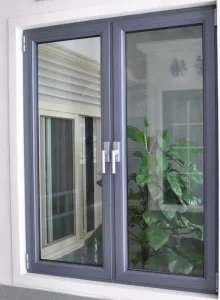
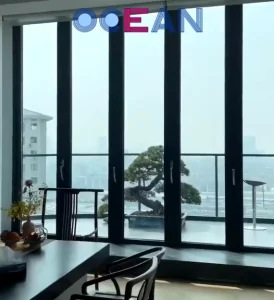
Engineered with low-E insulated glass, high-load roller hinges, and structural configurations matching Japanese building codes.
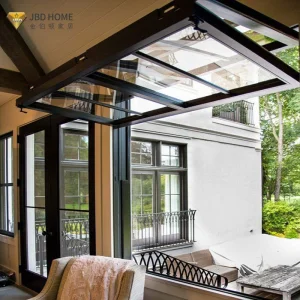
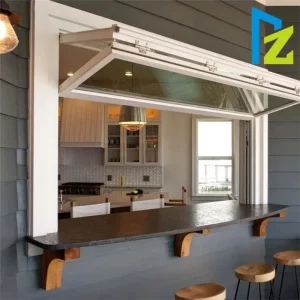
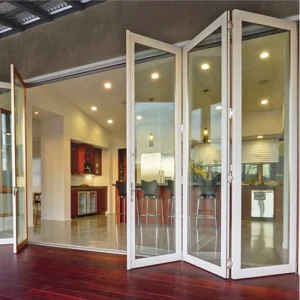
Tokyo stands as one of the world's most structurally demanding urban environments. The combination of dense metropolitan zoning, vulnerability to high-magnitude earthquakes, seasonal typhoons with severe wind loads, and extreme climate swings dictates that architectural materials must perform to rigorous tolerances. In places like Minato, Shinjuku, and Ginza, space is at an absolute premium. Architects and developers increasingly rely on aluminum folding windows and doors to eliminate the physical boundaries between indoor retail environments, hotel balconies, residential living areas, and exterior panoramas.
To succeed in Tokyo's construction market, folding windows cannot merely act as dynamic glass barriers. They must comply with the strictures of the Building Standards Act of Japan. This requires detailed structural analysis covering seismic drift, wind load parameters (up to 4.5 kPa in seaside high-rise locations), and air-water tightness ratings. Dynamic structural joints and heavy-duty, self-balancing hardware systems are essential to handle seismic shifts without causing structural glass failure or binding of the folding sash mechanisms.
Tokyo structures undergo building drift during earthquakes. Our frames feature specialized seismic joint tolerances to absorb lateral movement, maintaining structural integrity and preventing glass breakage.
Equipped with triple EPDM synthetic rubber seals and multi-level pressure drainage pathways, ensuring zero water penetration under driving winds and rain.
Maximizes clear openings up to 92% of the structural aperture, providing substantial retail and commercial layout flexibility compared to standard sliding windows.
Optimized to meet Tokyo's modern green building energy conservation standards (Japan Energy Conservation Law).
| Performance Indicator | Technical Specification Value | Standards Compliance |
|---|---|---|
| Alloy Composition | Extruded Aluminum Alloy 6063-T5 / 6063-T6 (Minimum wall thickness 2.0mm) | GB/T 5237, JIS H 4100 |
| Thermal Insulation | Multi-cavity PA66-GF25 Polyamide Thermal Barrier (U-Value ≤ 1.6 W/m²·K) | JIS A 2102, EN ISO 10077 |
| Glazing Matrix | Low-E Double/Triple Insulated Glass Unit (IGU), 6mm + 12Ar + 6mm Tempered | JIS R 3209, ASTM E2190 |
| Acoustic Attenuation | STC Rating: 38 dB to 42 dB (Depending on glass thickness configuration) | JIS A 1416, ASTM E90 |
| Wind Pressure Resistance | Up to 4.5 kPa structural loading performance (Category S4) | JIS A 4706, ASTM E330 |
| Hardware & Hinges | Heavy-duty bottom-running stainless steel roller bearings (Up to 150kg per sash) | AAMA 906, EN 13126 |
Ideal for commercial zones adjacent to Tokyo Metro corridors, reducing decibel penetration by over 40dB to ensure clean interior workspaces.
Integrates electrochromic tinting and motor-driven opening mechanisms that coordinate directly with standard smart building networks.
Designed and manufactured to fulfill both general industrial guidelines and specific local prefecture zoning ordinances.
Foshan ORM Windows Co., Ltd. is a professional aluminum window manufacturer located in Foshan, Guangdong, China, one of the country's leading centers for architectural aluminum production and building materials manufacturing. Established in 2011, the company specializes in the design, engineering, manufacturing, and export of high-performance aluminum window systems for residential, commercial, and architectural projects worldwide.
With a modern manufacturing facility covering more than 20,000 square meters and a team of over 280 skilled employees, ORM Windows is dedicated to providing reliable, energy-efficient, and aesthetically appealing window solutions. The company's product portfolio includes aluminum casement windows, sliding windows, awning windows, fixed windows, tilt-and-turn windows, thermal break window systems, double-glazed windows, and customized architectural window solutions designed to meet diverse building requirements.
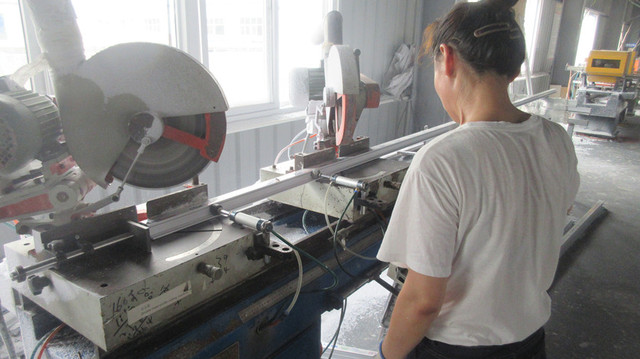
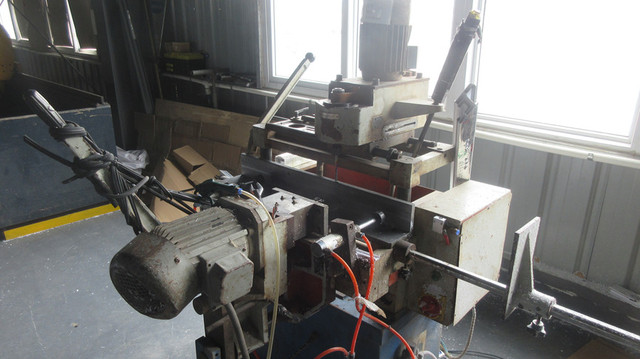
ORM Windows integrates advanced production equipment, precision fabrication technology, and strict quality management procedures throughout every stage of manufacturing. From aluminum profile processing and glass assembly to hardware installation and final inspection, every product is produced to ensure durability, weather resistance, thermal performance, and long-term reliability.
Supported by an experienced engineering and product development team, the company offers comprehensive OEM and ODM services, including customized dimensions, frame finishes, glazing options, hardware configurations, and private-label manufacturing. These flexible solutions enable builders, developers, distributors, and project contractors to meet specific market and project demands.
Serving customers across North America, Europe, the Middle East, Southeast Asia, Australia, and other international markets, Foshan ORM Windows Co., Ltd. has established a reputation for quality manufacturing, professional service, and dependable delivery. The company remains committed to providing innovative aluminum window solutions that enhance modern architecture while supporting sustainable and energy-efficient building development worldwide.
As Japan advances towards carbon neutrality by 2050 under the revised Energy Conservation Law, the construction industry faces escalating pressure to lower the embodied and operational carbon of commercial structures. Our ongoing engineering research is designed to align precisely with these green development benchmarks. The future of folding window technology resides in advanced, sustainable materials that drastically reduce building energy losses.
ORM's long-term technical roadmap prioritizes high-performance thermal insulation systems. By incorporating aerogel insulation infills within the multi-cavity aluminum extrusions and replacing standard spacers with warm-edge structural foam options, we aim to push system U-values down to passive house limits (≤0.8 W/m²·K). Furthermore, we are developing lightweight structural alloys that decrease total sash mass while preserving structural strength. This allows larger glass spans and easier operation without overloading building structures.
Sourcing custom architectural glazing systems internationally requires meticulous planning and rigorous compliance checks. Foshan ORM Windows Co., Ltd. provides dedicated engineering and logistical support to ensure that structural products integrate seamlessly with local design methodologies and Japanese building codes.
Our processing workflow starts with direct evaluation of your CAD files. We crosscheck all structural openings and seismic movement criteria, tailoring the window extrusions to match Tokyo’s specific wind loading, condensation control, and structural layout needs.
Technical and logistical insights addressing the core challenges of importing high-performance windows to Japan.
Our structural frames are engineered with thick-walled (2.0mm to 3.0mm) 6063-T6 aluminum alloys and reinforced internal steel cores in high-stress zones. We conduct calculations matching the Japanese Building Standards Act, ensuring safe performance under high design wind pressures (up to 4.5 kPa) common in coastal and high-rise locations.
We configure our window installations with dedicated perimeter seismic channels. This structural separation permits the main concrete frame of the building to deflect naturally during minor seismic events without transferring structural loads to the glass or the folding roller mechanisms.
We recommend insulated glass units (IGUs) composed of low-emissivity (Low-E) glass panels filled with argon gas. Combined with our multi-cavity polyamide thermal break frames, these systems reduce winter heat loss and keep out summer solar heat, meeting the thermal requirements of Japan's Energy Conservation Law.
Standard manufacturing and custom fabrication require 30 to 45 days, depending on project scope. Shipping from Foshan to Tokyo Port or Yokohama Port typically takes 7 to 10 days, allowing projects to remain on schedule.
Yes. We design systems that feature integrated pleated sliding mosquito screens or roll-up invisible screens. These sit within the main structural frame, providing insect protection without detracting from the minimal design when opened.
We offer PVDF coatings (polyvinylidene fluoride) and marine-grade anodized finishes. These options ensure long-term resistance to salt-air corrosion, fading from UV rays, and typical urban wear.
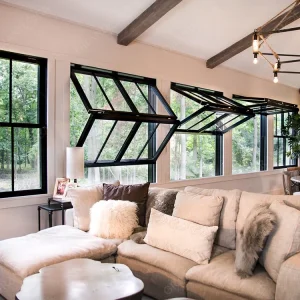
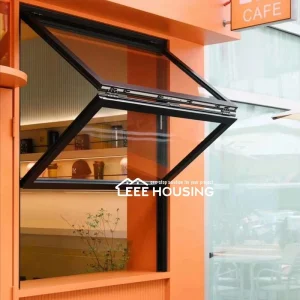
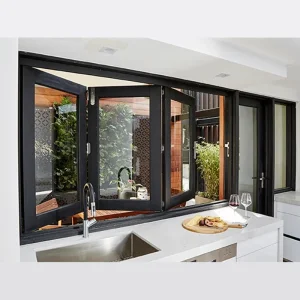
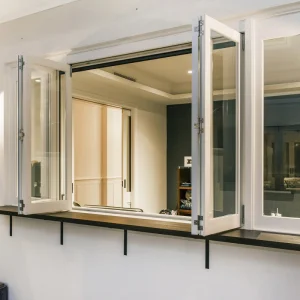
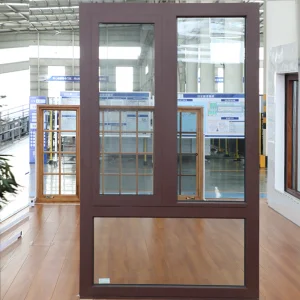
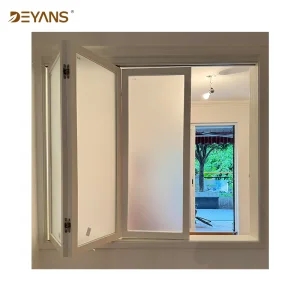
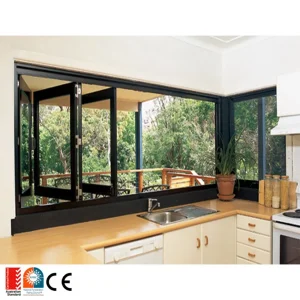
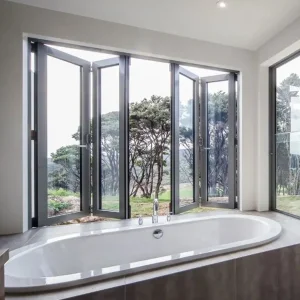
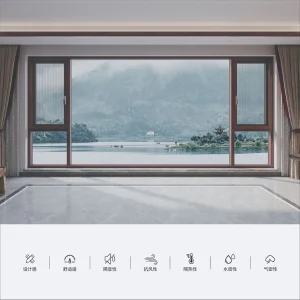
Select from our verified line of residential and commercial folding window designs.
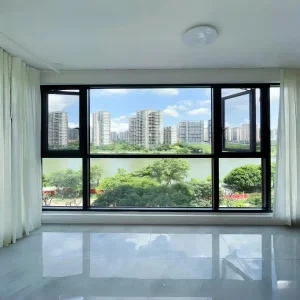
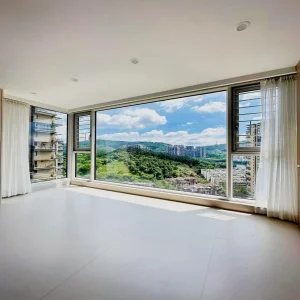
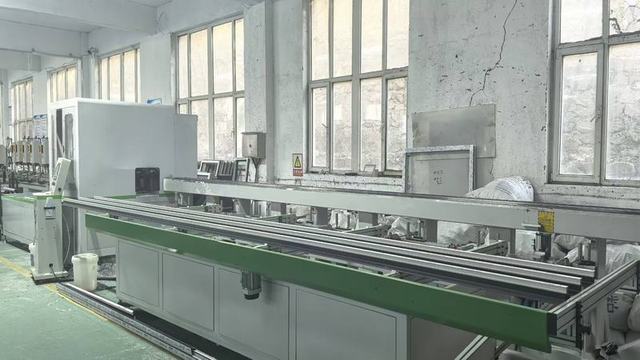
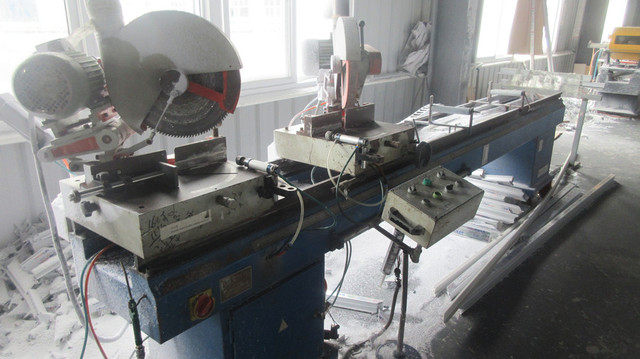
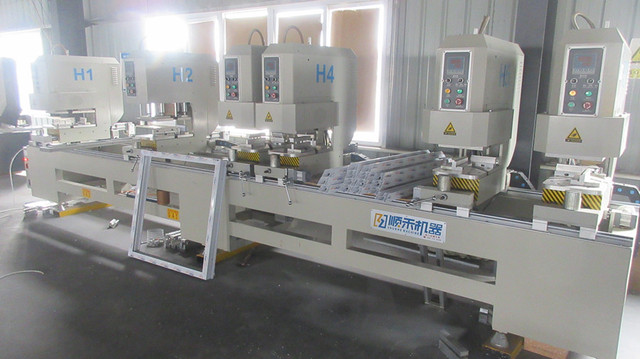
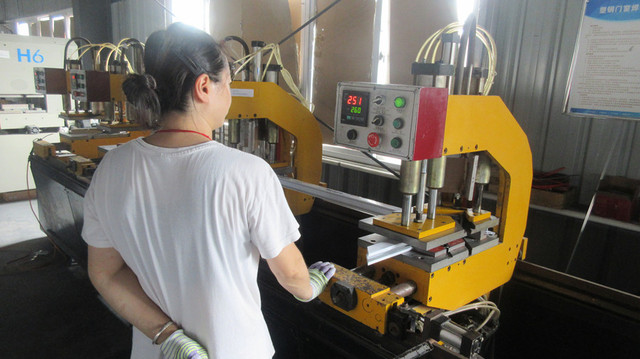
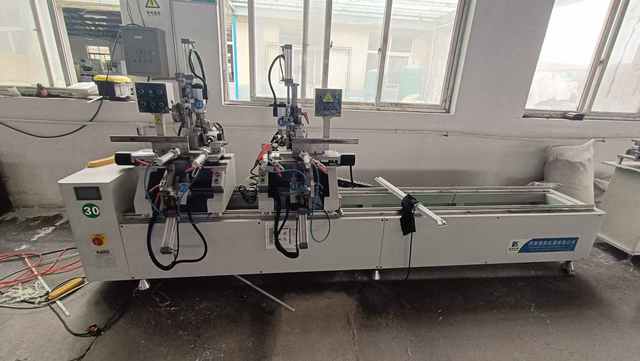
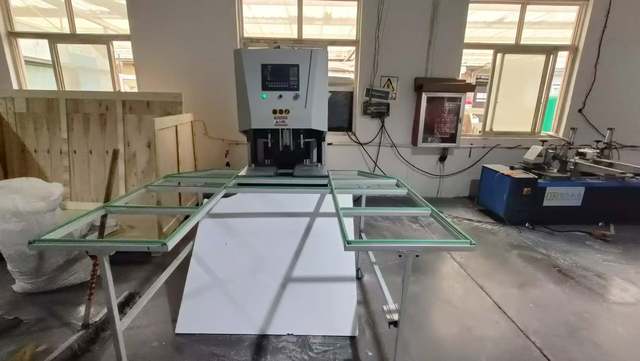
Insights into our advanced extrusion processing, CNC machining, clean assembly, and shipping preparation lines.
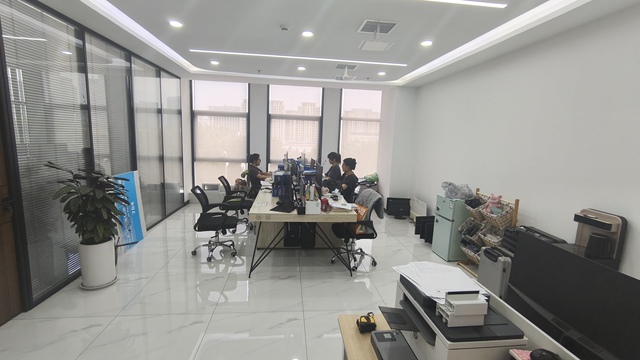
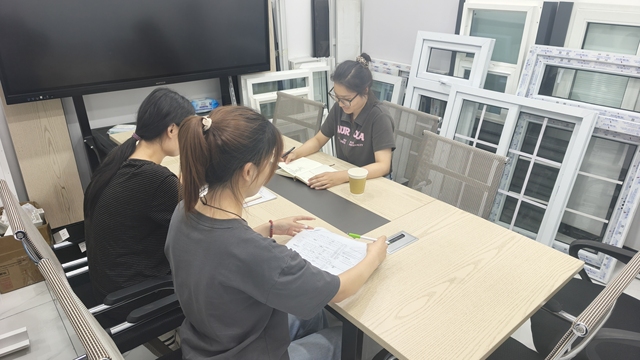
Get in touch with our Foshan engineering and estimation team today. We provide full CAD evaluations, thermal break calculations, and competitive FOB/CIF shipping quotes.
Send Inquiry Now ORM Windows