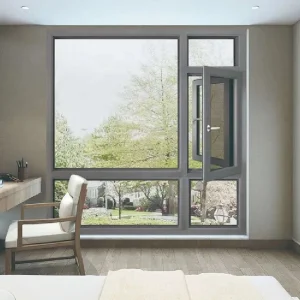
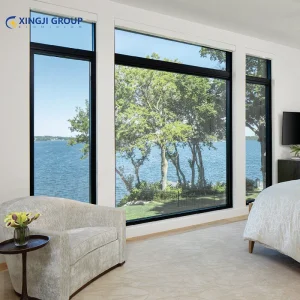
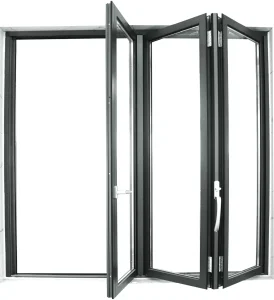
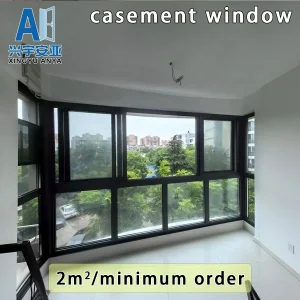
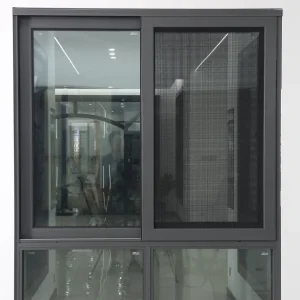
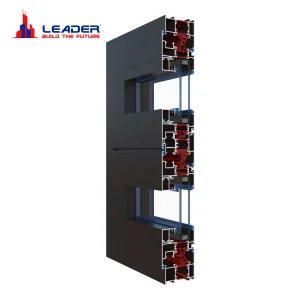
High-specification aluminum casement configurations certified for West African coastal wind loads, high-humidity, and intensive commercial usage.
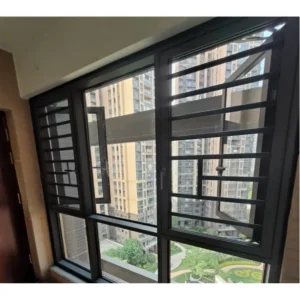
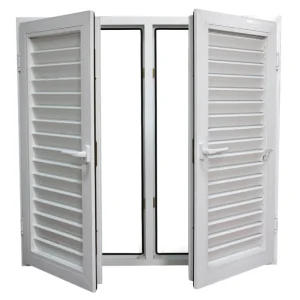
An analytical overview of structural engineering, climate resilience, and supply chain strategies for modern real estate developments in West Africa.
Ghana is currently experiencing a historic infrastructure renaissance. Led by rapid urbanization across metropolitan zones such as Accra (including the upscale enclaves of East Legon, Cantonments, and Airport Residential Area), the industrial port expansion in Tema, and commercial growth in Kumasi, the demand for sustainable architectural materials is higher than ever. Traditionally, construction in West Africa relied heavily on timber frames or basic steel windows. However, these materials struggle with dimensional stability, rot, termite damage, and poor thermal performance.
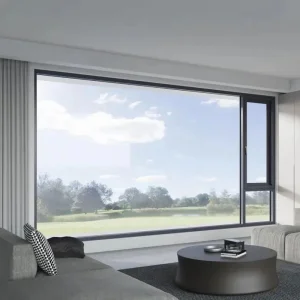
Today, architectural specifications have moved toward high-performance structural systems, particularly aluminum casement windows. Modern commercial developers and residential home builders require structures that can withstand complex coastal conditions while lowering HVAC (heating, ventilation, and air conditioning) utility bills. The architectural trend in Ghana centers on maximizing natural light through larger window-to-wall ratios (WWR) while preventing structural degradation.
Fenestration systems in Ghana face two distinct environmental stresses: the marine environment along the Gulf of Guinea and the dry inland winds of the sub-Saharan climate.
Engineered for urban areas in Accra and Tema, these profiles offer enhanced acoustic isolation and tropical thermal protection.
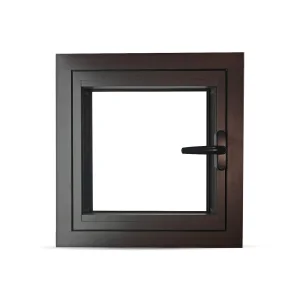
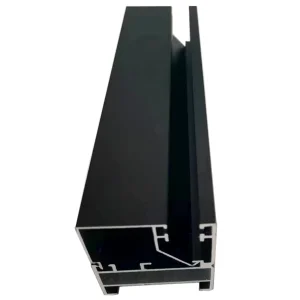
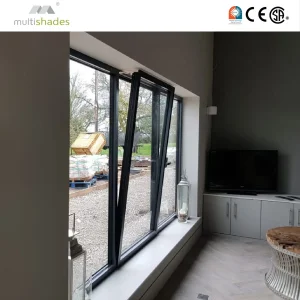
ORM Windows collaborates with structural engineering firms and general contractors in West Africa. We supply customized aluminum extrusions designed to perform reliably in demanding environments.
| Engineering Property | Standard & Value |
|---|---|
| Aluminum Alloy Grade | 6063-T5 / 6063-T6 (High-tensile architectural class) |
| Profile Thickness | 1.4mm (Residential) to 2.0mm+ (Heavy-Duty Commercial) |
| Polyamide Thermal Break | PA66 GF25 (25% Glass Fiber Reinforced Nylon) |
| Water Tightness | Class 9A (EN 12208) - Resists heavy tropical rainfall |
| Wind Load Performance | Class C5 (EN 12210) - Resistant to coastal storm pressure |
| Acoustic Isolation | Up to Rw = 42 dB (Depending on triple glass configuration) |
To maintain comfortable indoor climates under West African sun exposure, glass specification is key. We offer tempered glass configurations featuring Low-E (low-emissivity) coatings, argon-gas filled cavities, and laminated acoustic PVB layers.
This combination dramatically reduces Solar Heat Gain Coefficients (SHGC) down to 0.22, preventing the greenhouse effect in your rooms while letting in ample light.
Our window systems are equipped with high-durability friction stays, multipoint lock sets, and robust handles. This hardware is sourced from leading German and premium Chinese brands to ensure smooth operation over 50,000+ open-and-close cycles.
Request Technical DatasheetsHow ORM Windows leverages China's leading architectural aluminum cluster to deliver global-grade fenestration products.
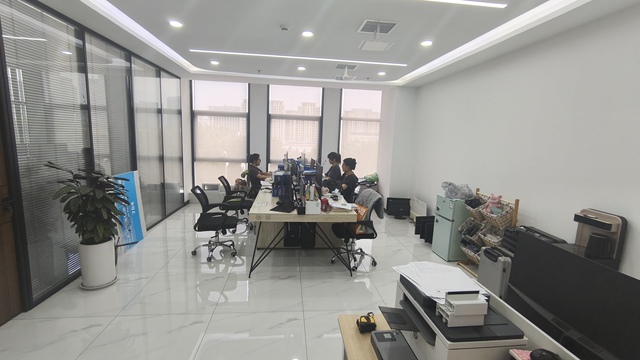
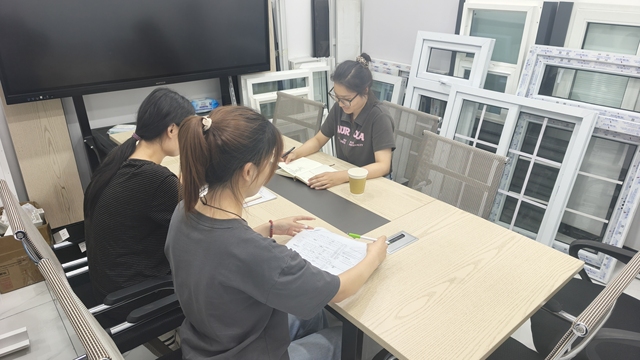
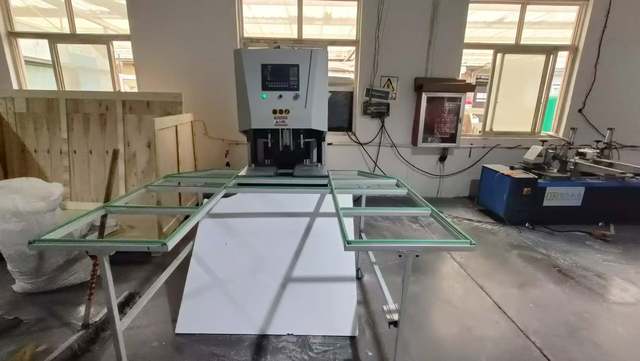
Foshan ORM Windows Co., Ltd. is a dedicated, export-focused manufacturer based in Foshan, Guangdong, China—the global capital for architectural aluminum profile extrusion, glass production, and hardware manufacturing. Established in 2011, ORM Windows has grown to operate a state-of-the-art facility spanning over 20,000 square meters. Our team of 280+ engineers, technicians, and production specialists works to deliver modern architectural window and door designs.
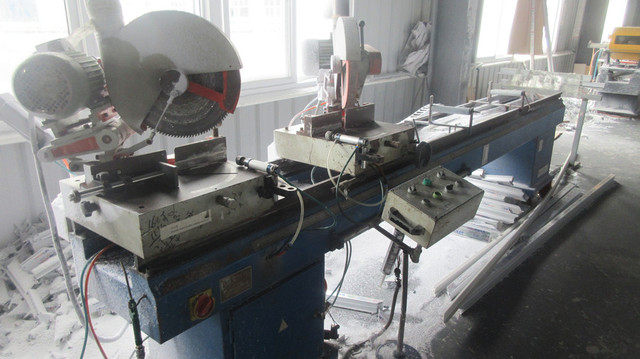
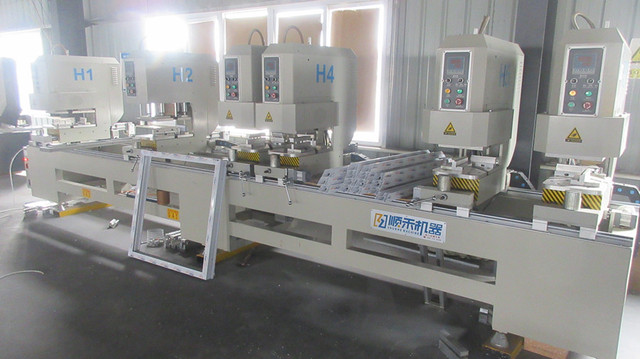
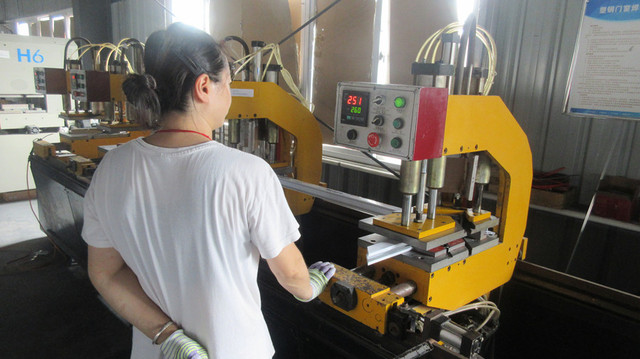
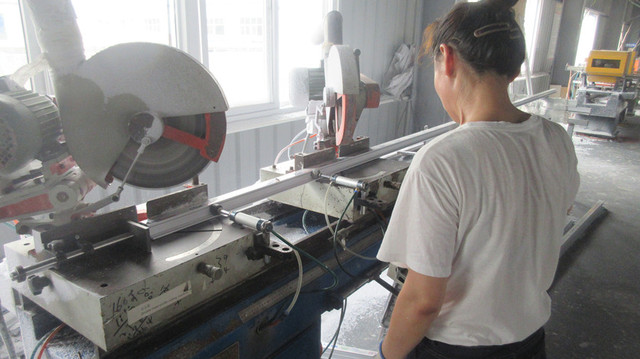
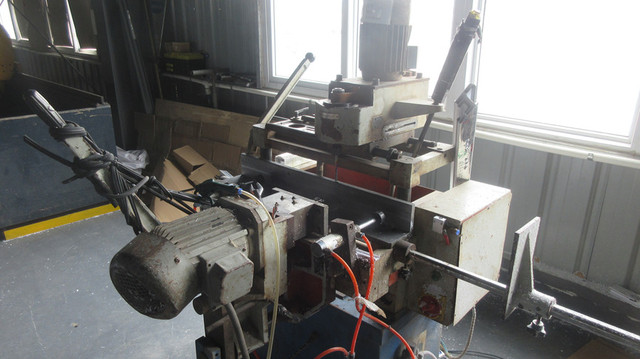
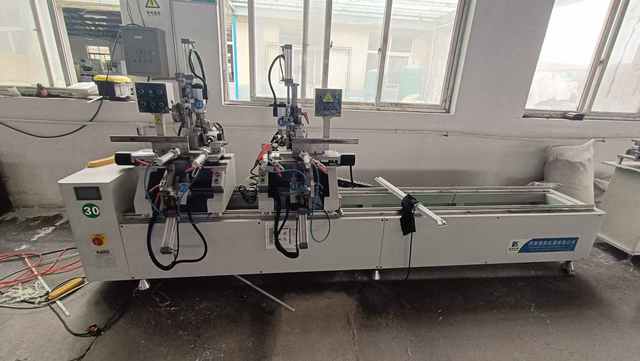
ORM's strength lies in our integrated supply chain. In Foshan, we source 99.9% pure raw aluminum billets and process them through high-pressure extrusion lines to create precise profile walls. Our advanced fabrication facilities cover every production phase: profile cutting, milling, hardware recess preparation, glass manufacturing (tempering, double glazing, argon gas sealing), gasket insertion, structural sealing, and final hardware assembly. By handling all production in-house, we control dimensional tolerance down to ±0.5mm, ensuring straightforward installation for onsite crews in Ghana.
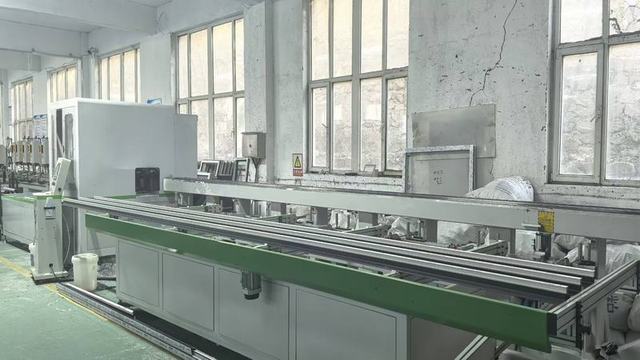
Navigating technical standards, GSA certifications, and port logistics to Tema and Takoradi.
Importing high-performance building systems to Ghana requires local regulatory expertise. At ORM Windows, we ensure our architectural solutions comply with the requirements of the Ghana Standards Authority (GSA) and the Ghana Revenue Authority (GRA). We prepare all necessary import documentation, including Certificate of Conformity (CoC) files, detailed bills of lading (B/L), customs invoices, packing lists, and structural test reports to facilitate smooth customs clearance at Tema Port or Takoradi Port.
To prevent damage during sea transport across the Indian and Atlantic oceans, we package our window units using heavy-duty methods. Frames are protected with protective film, padded with corner protectors, and packed into custom-built, heat-treated plywood crates. This seaworthy packaging protects the systems from moisture, salinity, and handling shocks during transit.
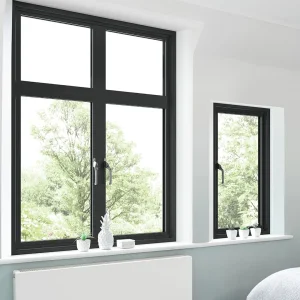
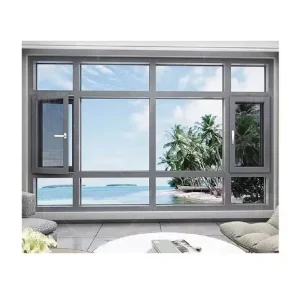
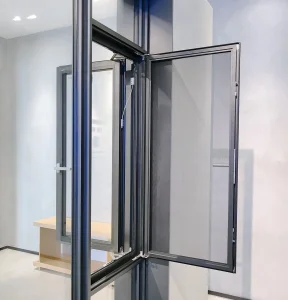
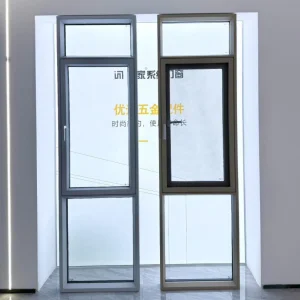
Explore our full line of export-ready aluminum window configurations, customizable to fit your architectural drawings.
Crucial compliance, engineering, and logistics answers for real estate developers and procurement officers.
Ghana features a tropical climate with high ambient temperatures year-round. Standard aluminum profiles conduct external solar heat directly into the building, forcing air conditioning systems to work harder. Thermal break profiles use a low-conductive polyamide strip (PA66 GF25) that interrupts this thermal bridge. This keeps interiors cooler and lowers HVAC energy costs.
To prevent pitting and corrosion from salt-laden sea air, we apply marine-grade finishes. This includes AkzoNobel powder coatings (AAMA 2604/2605 compliant) or thick anodizing (minimum 15–25 microns). These coatings create a barrier that protects the underlying aluminum alloy.
Yes. We prepare the necessary technical documentation—including laboratory test certificates for wind load, water tightness, and sound insulation—to help clear customs. We also issue Certificates of Conformity (CoC) to meet Ghana's import compliance guidelines.
Manufacturing takes 25 to 35 days, depending on custom profile requirements. Ocean transit from Guangzhou/Nansha ports to Tema Port takes approximately 35 to 45 days. We coordinate container loading and documentation to keep shipments on schedule.
The Harmattan season brings fine sand and dust. Our windows are engineered with multi-point locking systems and double EPDM compression seals. This design seals the frame tightly to prevent dust and pollen infiltration.
We provide full OEM and ODM services. This includes customized frame colors (RAL colors), profile dimensions, frame thickness (up to 2.0mm+), glass configurations (Low-E, tempered, laminated, or smart reflective glass), and custom architectural-grade hardware.
We protect the glass and frames using a multi-step packaging process: protective PE film on frames, foam corner guards, and rigid, heat-treated plywood crates. This safeguards the products from moisture, vibration, and handling shocks.
Yes, we provide detailed CAD and shop drawings during the pre-production phase. We also supply installation manuals, video guides, and layout drawings to help local installation teams work efficiently.
Get in touch with our engineering team for customized CAD templates, profile samples, and factory-direct pricing for your development projects in Ghana.
 ORM Windows