Explore our top-tier selection of performance-certified aluminum window and door systems built to meet rigorous global standards.
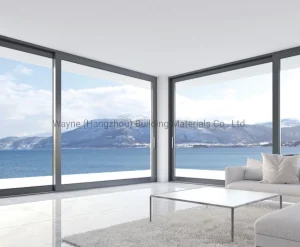
Modern architecture is defined by its pursuit of seamless integration, structural clarity, and energy efficiency. Aluminum sliding patio doors sit at the intersection of these architectural demands, serving as functional walls of glass that transition interior spaces to exterior landscapes.
For B2B procurement managers, real estate developers, and international facade consultants, locating premier exporters involves more than comparing pricing sheets. It requires a profound understanding of profile metallurgy, thermal barrier engineering, structural wind load performance, and international building code compliance.
Foshan ORM Windows Co., Ltd. (established in 2011) has grown into a major Chinese manufacturing hub, exporting energy-efficient fenestration systems globally. We look into the macro-trends, core mechanics, and key logistical metrics that shape modern sliding patio door procurement.
The landscape of commercial and residential fenestration is moving rapidly toward high-performance materials and minimal visual obstruction.
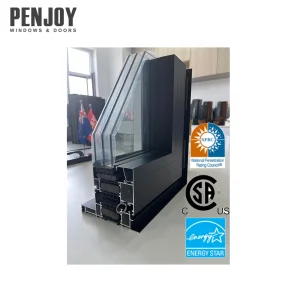
Modern regulations mandate extremely low U-values. Multi-chambered polyamide thermal breaks prevent the transmission of temperature, minimizing thermal bridging and drastically reducing HVAC energy consumption.
Structural engineering now allows interlocking stiles of less than 20mm in width. Architectural trends focus on maximizing glass surface area to allow natural light penetration without compromising stability.
From double-glazed systems to triple-pane structures with low-emissivity (Low-E) coatings and argon gas infills, glass configuration is customized to balance light transmission and solar heat gains.
Export markets in coastal zones require rigorous certification. Heavy-gauge aluminum alloys combined with laminated impact-resistant glass protect structures from high-velocity wind loads and debris impacts.
Automated motorized tracks, electronic soft-close systems, and integration into overall Building Management Systems (BMS) are shifting patio doors from passive barriers to active elements.
With global focus on carbon neutrality, developers prioritize doors manufactured using recycled aluminum or certified green energy smelting process to lower the embodied carbon of buildings.
For purchasing directors, importing custom window and door systems involves a checklist of commercial risk management factors.
Each target market has unique quality frameworks. A reputable exporter must possess certifications for respective regions:
Standard off-the-shelf sizes rarely fit architectural intents. Exporters must provide tailored variations of finishes (PVDF coating, powder coating, anodizing), multi-point lock hardware integrations (Siegenia, Roto, or custom-designed premium domestic lines), and complex configurations like multi-panel pocket sliding structures.
Aluminum frames must utilize prime 6063-T5 or T6 architectural alloys. Recycled aluminum with impurities compromises strength. The thickness of the main structural profiles must meet or exceed 2.0mm for sliding doors, ensuring rigidity when carrying massive triple-glazed panels weighing upwards of 300kg.
Transporting heavy, fragile glass and aluminum assemblies over sea requires specific packaging standards. Exporters must employ iron-crate packing methods, protective film coverings on all profiles, and corner guards to eliminate surface scratching and structural alignment shifts during long-haul transit.
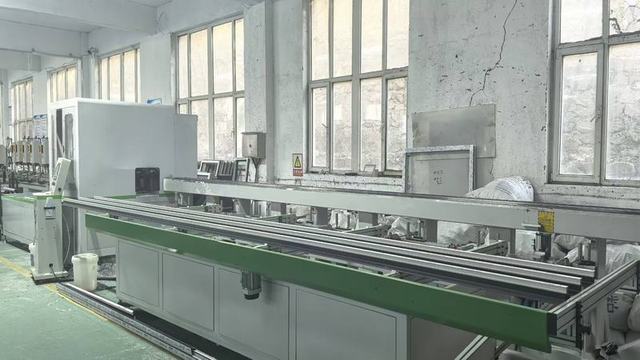
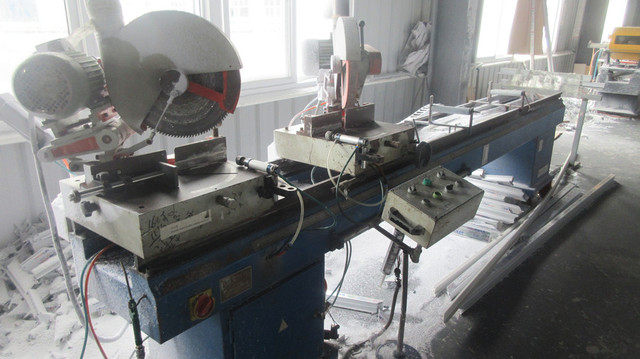
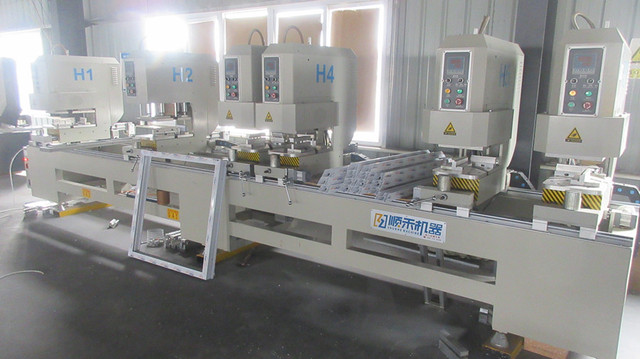
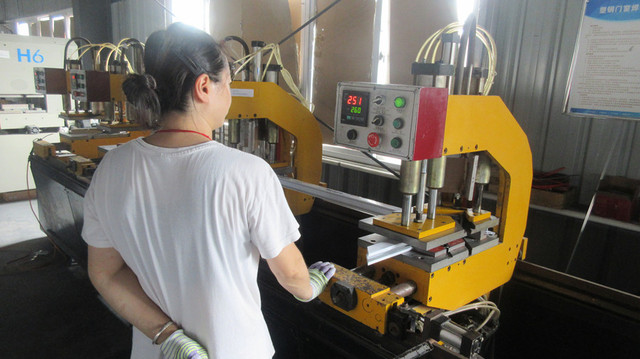
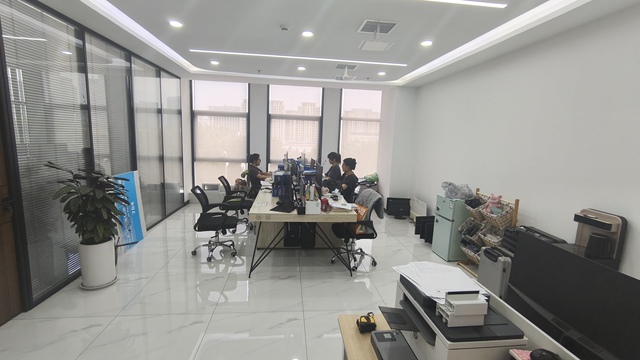
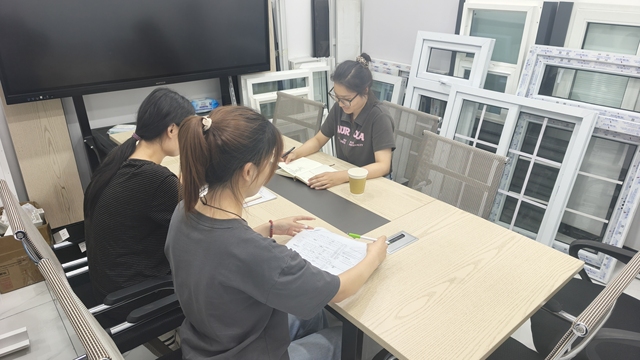
A look inside the production floors of Foshan ORM Windows Co., Ltd. showing our advanced CNC cutting machinery, automatic glazing facilities, and strict testing protocols.
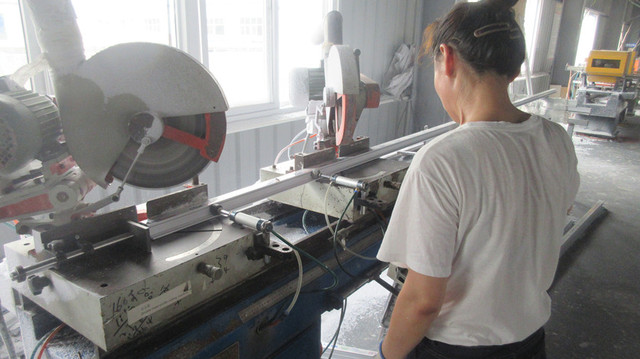
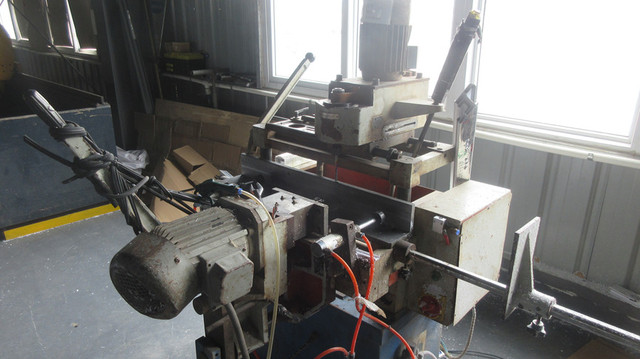
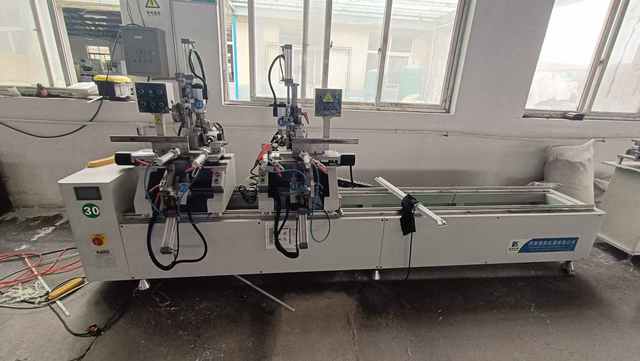
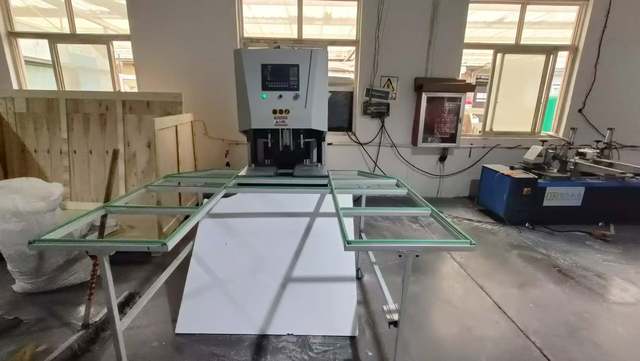
We design and manufacture customized systems to address specific geographical, environmental, and structural problems faced by global developers.
For regions like Canada and Northern Europe, keeping indoor heat from escaping is critical. Our triple-glazed thermal break windows utilize custom thermal break strips filled with insulation foams, achieving low U-values down to 0.8 W/(m²·K). Argon fill between the Low-E coated glass layers blocks infrared radiation while allowing light transmittance, enabling projects to achieve strict passive house classifications.
High-rise residential complexes suffer from intense wind pressures. Standard doors bend and leak air or water under extreme pressure. Our engineering team designs custom structural reinforcement mullions with thick-walled 6063-T6 aluminum to increase load-bearing limits. Heavy-duty multi-point locking mechanisms ensure the frame remains tightly sealed against the rubber gaskets under high pressure.
Urban development near busy highways, airports, or railway lines requires robust sound attenuation. By incorporating different glass thicknesses in double-glazed structures (e.g., 6mm + 12Argon + 8mm) and integrating PVB laminated safety glass, we alter the sound wave frequency paths. This configuration achieves sound dampening up to 45dB, creating quiet indoor environments.
Sea salt spray degrades aluminum and hardware components within a few years if untreated. ORM Windows utilizes specialized PVDF coatings or marine-grade anodizing finishes. This treatment resists chemical degradation, while the application of SUS316 stainless steel tracks and rollers maintains smooth sliding actions despite exposure to humid salt-laden air.
Exploring the future technologies integrated into ORM's research and development roadmap.
We are actively researching the integration of thin VIG units into our sliding door profiles. VIG replaces the gas-filled gap with a structural vacuum, lowering the glazing center U-value down to 0.4 W/(m²·K) at a fraction of the thickness of triple-glazing.
Integrating dynamic smart glass that shifts tint in response to electrical voltage. This allows automated building facades to control shading and heat gain dynamically based on real-time solar intensity levels.
Transitioning from petroleum-derived polyamides to plant-based structural polymers. This change reduces the carbon footprint of the thermal separation element within the aluminum profile without losing structural strength.
Answers to common structural and logistical questions from architects, contractors, and import procurement managers.
A thermal break profile features a low-conductivity polyamide bar joined between the interior and exterior aluminum profiles. This bar disrupts the thermal transfer path through the metal, reducing energy transfer and condensation. Non-thermal break profiles consist of continuous metal, leading to heat loss in winter and heat gain in summer.
We use primary aluminum billets (mostly 6063-T5 or T6 grade). We run batch chemical analyses to ensure alloy composition meets structural standards. We do not use recycled scrap aluminum in load-bearing structural members, ensuring the door resists deformation over long lifespans.
Yes. We design and test special hurricane-proof systems featuring reinforced frames, heavy-duty interlocks, and laminated impact glass. For example, our AS2047 and Florida-standard compatible systems are designed and tested to withstand high wind pressures and water penetration under severe weather conditions.
Standard fabrication takes 30 to 45 days after CAD shop drawing approval and deposit receipt. Shipping times vary by destination, typically taking 15-20 days to Australia/US West Coast and 30-40 days to Europe or East Coast ports. We pack products in fully protected wooden crates to prevent damage during transit.
We provide comprehensive installation manuals, CAD detail drawings, and video guides. For large-scale commercial developments, our engineering team can provide remote video support or coordinate with local installation teams to ensure the sliding window systems are properly fitted and sealed.
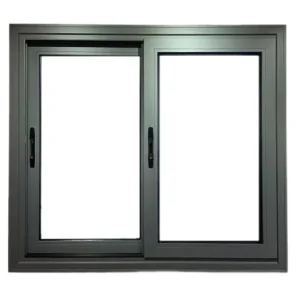
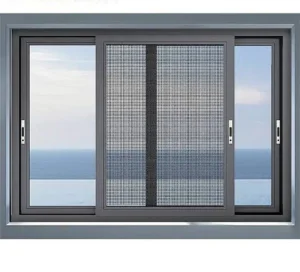
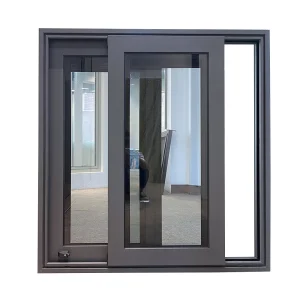
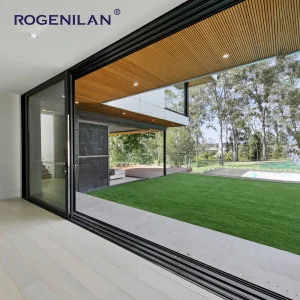
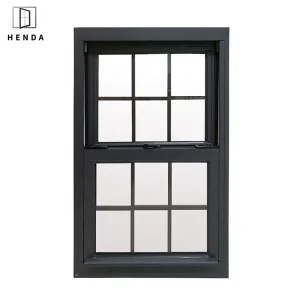
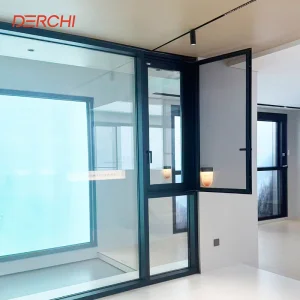
Review our full catalog of high-performance sliding window designs, casement styles, and multi-glazed thermal solutions.
 ORM Windows