Top 10 Aluminum Hinges Supplier & Suppliers

The Comprehensive Industrial Whitepaper on Heavy-Duty Aluminum Hinges & Architectural Fenestration Systems Integration

Architectural Portfolio

Integrated Window & Shutter Systems

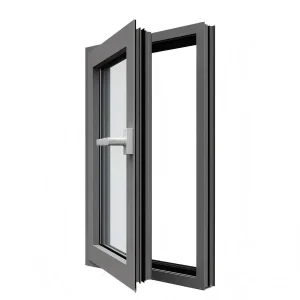
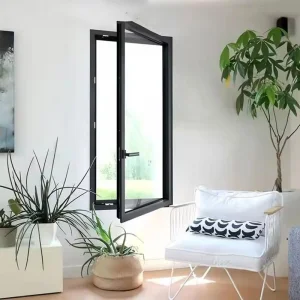
Premium aluminum windows engineered with advanced hinge technology for ultimate durability and load-bearing performance.

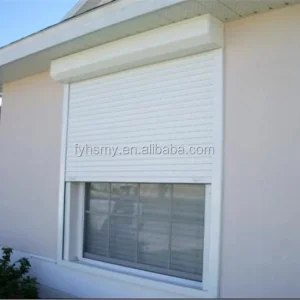
Motorized Aluminum Shutter
High Quality Customized Size Hurricane-Proof Motorized Aluminum Alloy Window Shutter Modern Industrial Window
View Specifications
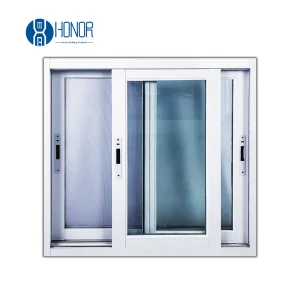
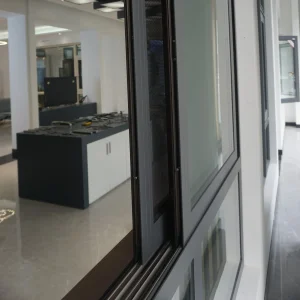
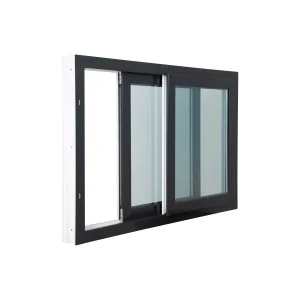
Sliding Window Commercial
2026 Modern Design Factory Direct Aluminum Sliding Window for Commercial Use
View Specifications
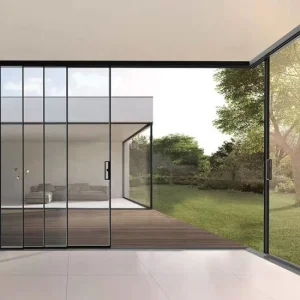
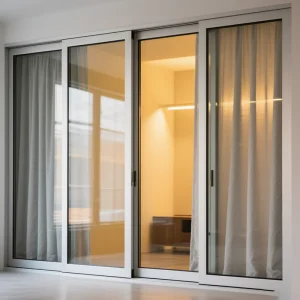
Hurricane Proof Sliding Doors
Hotian Hurricane Proof Soundproof Slim Frame Aluminum Alloy Triple Glazed Sliding Windows And Doors
View Specifications
PVC Aluminum Glass Windows
PVC/Aluminum Double Glass Turn and Tilt/ Sliding/Casement /Awning Bay Windows and Doors
View Specifications
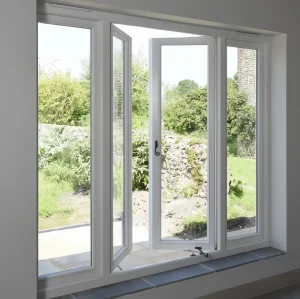
Impact Casement Windows
High Quality Hurricane-Resistant Impact Anti-Theft Thermal Break Aluminum Alloy Frame Casement Windows with Double Glass for House
View Specifications
Double Glazed Sliding Window
China Custom Double Glazed Luxury Thickened Clear Glass Windproof Waterproof Corrosion Resistant Aluminium Metal Glass Window Aluminum Sliding Casement Window
View Specifications
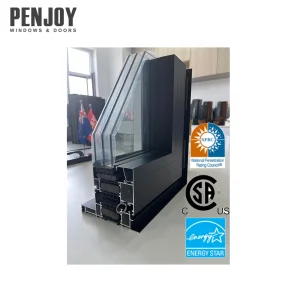
Triple Glazing Windows Canada
Penjoy Modern Customized Special Designed For Canada Aluminum Windows Glass Windows Triple Glazing Windows For Passive House
View Specifications
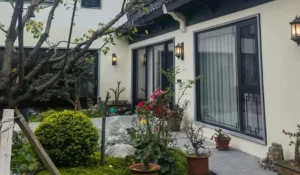
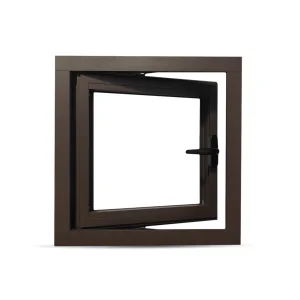
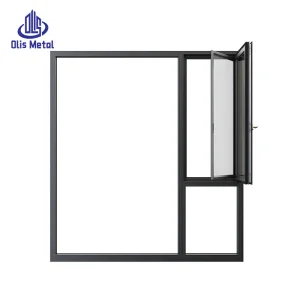
Black Casement Window
House Single Aluminum Window and Door Pane Glass Louvers Fixed Aluminum Casement Window with Black Color Sub Frame
View Specifications

Global Architectural Integration: Where Engineering Meets Longevity

Within high-performance envelope design, structural fenestration systems are only as resilient as their primary pressure-bearing pivot components. Aluminum hinges constitute the critical interface that handles static tension, dynamic wind loads, and thermal expansion forces. Selecting the right aluminum hinge supplier defines the boundaries of building safety, acoustic isolation, and weatherproofing reliability.

As a leading authority in architectural manufacturing, Foshan ORM Windows Co., Ltd. (established in 2011) operates from the epicentre of architectural metal fabrication in Guangdong, China. Spanning over 20,000 square meters and powered by a highly skilled engineering team of 280+ specialists, ORM delivers precision-machined heavy-duty window profiles and customized structural hardware systems built to endure the most taxing architectural conditions on Earth.

  • High-grade architectural alloys (6063-T5, 6063-T6) with optimized shear wall density.
  • Strict compliance with AAMA, NFRC, CE, and AS2047 fenestration standards.
  • Precision-machined friction hinges, butt hinges, and heavy-duty pivot brackets.

The Mechanical Role of Hinges

Hinges do not merely open and close apertures; they are load-transference vectors that redirect gravitational mass and lateral wind pressures back into the building frame. An inadequately spec'd hinge causes structural sash sag, which leads directly to:

1. Compromised Weather Seals: Micro-alignments shift, causing high air infiltration and water leaks.

2. Acoustic Degradation: Even a 1mm gap in compression reduces the acoustic insulation coefficient by up to 10dB.

3. Structural Fatigue: High cycle wear leads to stress cracking along the screw bosses of the window profile.

This guide analyzes the supply chain characteristics, material properties, and manufacturing methodologies that distinguish premium-grade aluminum hinges and integrated window systems from subpar components.

Understanding Aluminum Hinges: Structural Metallurgy and Performance Criteria

When engineering fenestration systems for high-occupancy commercial projects or residential spaces, architectural engineers must prioritize metallurgy. The selection of materials for aluminum hinges involves a careful balance between load-bearing capacity, fatigue life, and corrosion protection. Most structural hinges are manufactured utilizing either high-strength extruded aluminum alloys or die-cast variants. For premium architectural projects, extruded 6063-T5 or 6063-T6 aluminum is the industry benchmark.

1. Mechanical Properties of 6063-T5 vs. 6063-T6 Aluminum Alloys

The tempering designation of aluminum profiles deeply impacts their performance under stress. 6063-T5 is cooled from elevated temperature shaping and artificially aged, rendering excellent surface finish qualities and moderate strength. 6063-T6 is solution heat-treated and artificially aged, producing significantly higher yield strength (up to 214 MPa compared to 145 MPa for T5) and ultimate tensile strength. For heavy-duty casement windows, structural glass facade units, and motorized shutters, using T6 tempered alloy profiles prevents deformation at critical stress points.

2. Corrosion Mitigation & Surface Treatments

Hinges are continuously exposed to environmental elements, making corrosion mitigation vital. Quality aluminum hinge suppliers utilize three primary coating methods:

  • Anodizing: An electrochemical process that converts the metal surface into a decorative, durable, corrosion-resistant anodic oxide finish. A minimum of Class I (18μm+) coating is recommended for marine or industrial coastal zones.
  • Powder Coating: Electrostatically applied dry powder cured under heat. It provides a thick, resilient barrier against physical abrasion. Suppliers adhering to AAMA 2604 or 2605 certifications offer coatings that survive extreme UV exposure without fading or chalking.
  • Fluorocarbon (PVDF) Coatings: Reserved for architectural facades in high-exposure regions. PVDF coatings offer exceptional resistance to chemical pollution, acid rain, and solar radiation.

3. Physical Architecture of Modern Window Hinges

The design configuration of modern aluminum hinges dictates their functional capability:

  • Concealed Friction Hinges (Stay Hinges): Positioned inside the window frame clearance gap, these hinges are invisible when the window is closed, maintaining clean architectural lines and improving security.
  • Heavy-Duty Butt Hinges: Used primarily for main entry doors and oversized casement frames. They feature internal self-lubricating nylon or brass bearings to minimize wear over millions of opening cycles.
  • Multi-Point Pivot Hinges: Engineered for tilt-and-turn window designs, allowing the sash to tilt inward for ventilation or swing open horizontally for easy maintenance.
Engineering Excellence

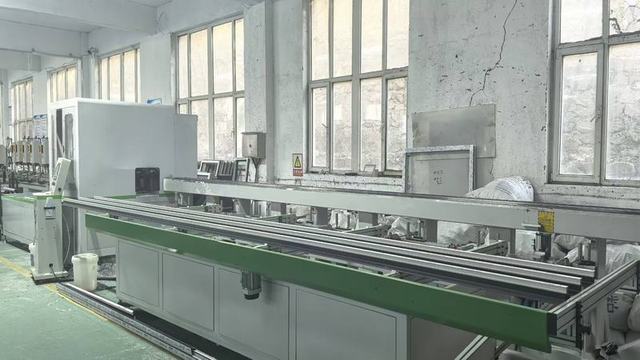
Advanced Manufacturing & Quality Control

A closer look at how modern production facilities secure structural integrity and mechanical durability.

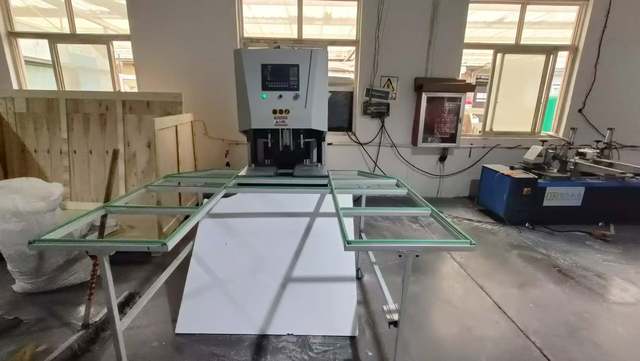
CNC Precision Machining

Automated multi-axis CNC machines mill structural hinges with tolerances under 0.01mm. This extreme precision ensures tight structural fits, eliminating sag-induced sash offset over years of active use.

Dynamic Cycle Testing

Hinge systems undergo lifecycle testing up to 100,000 continuous opening and closing motions under peak gravitational and tension design loads. This structural validation secures mechanical integrity under constant duty cycles.

Thermal Bridge Isolation

Modern thermal break windows decouple exterior and interior aluminum extrusions. Specially designed hinges prevent thermal bridging, maximizing overall window insulation performance (U-values) in severe climates.

20,000+
Sqm Factory Area
State-of-the-art production facility in Foshan, China
100k+
Cycle Mechanical Test
Engineered for decades of trouble-free operations
280+
Skilled Specialists
Dedicated in-house product development and quality teams
30+
Global Markets Served
Exporting systems to Europe, North America, and Australia

China Factory Supply Chain Advantages: Why Foshan Leads the Global Aluminum Industry

The global construction industry relies heavily on Chinese exports for key architectural elements, with Foshan serving as a central hub. Foshan's dominance is not simply a result of lower labor costs. Instead, it stems from a highly integrated, vertically consolidated industrial ecosystem that delivers substantial efficiency advantages to international B2B buyers.

1. Vertical Integration of the Supply Chain

Within the Nanhai and Shunde districts of Foshan, the entire raw material to finished product lifecycle is concentrated in a tight geographic radius. Smelting, billet casting, profile extrusion, surface treatment, hardware development, glass production, and final assembly are located in the same industrial zones. This concentration dramatically lowers material transport costs, optimizes lead times, and ensures seamless quality control at every stage of the manufacturing process.

2. Advanced Extrusion Technology & Tooling Design

Foshan factories utilize massive extrusion presses (ranging from 800 to over 5,000 metric tons) to extrude complex profile shapes with high precision. Tooling engineers design dies that balance wall thickness with internal reinforcement channels. This structural design enables the production of lightweight profiles that deliver high load-bearing performance, reducing shipping weight while maintaining structural safety.

3. Global Enterprises' Sourcing & Quality Control Requirements

Global procurement teams from Europe, North America, and Australia demand strict quality validation protocols. To satisfy these requirements, top Foshan suppliers implement structured quality control procedures, including:

  • Spectrochemical Alloy Verification: Utilizing optical emission spectrometers to verify the exact chemical composition of each raw aluminum batch before extrusion.
  • Dimension Tolerance Control: Using laser measurement tools to confirm that profile dimensions remain within strict tolerances, preventing alignment issues during final window assembly.
  • Coating Adhesion Testing: Conducting cross-hatch tape tests and impact tests to verify that finishes adhere securely to the metal substrate under mechanical stress.
Engineering Applications

Localized Applications & Compliance Standards

How architectural aluminum systems are customized to satisfy diverse regional regulations and challenging climates.

High-Wind & Hurricane Zones

Projects in coastal areas (such as Florida, the Caribbean, or Australia's Cyclone Region C) must withstand extreme cyclic wind loads. Window systems in these zones utilize heavy-duty impact-resistant glazing paired with high-tensile 6063-T6 aluminum profiles and robust multi-point locking hinges to prevent structural failure under intense pressure.

High-Rise Commercial Facades

In tall structures, window systems must handle significant lateral forces while maintaining a tight envelope seal. Designers utilize heavy-duty friction stays and unitized curtain wall designs that absorb structural movement. This prevents air infiltration and water leaks, ensuring long-term performance under demanding conditions.

High-Efficiency Passive Houses

Cold-climate regions (such as Canada and Northern Europe) require exceptional thermal insulation. Projects in these areas specify triple-glazed window systems built with multi-chamber thermal breaks. Insulated profiles minimize heat loss, helping buildings achieve target U-values and reduce energy costs.

Comprehensive Procurement Guidelines for Aluminum Hinge & Fenestration Systems

For procurement managers, developers, and project contractors, choosing the right manufacturer involves assessing more than unit cost. To secure a reliable, high-performance supply chain, buyers should evaluate several key operational benchmarks:

1. Validation of Structural Raw Materials

Demand certified mill test reports (MTRs) for every raw material shipment. These documents verify the exact chemical composition and mechanical properties of the aluminum alloy. Make sure the supplier uses premium virgin aluminum ingots rather than low-cost scrap alloys, as impurities can lead to stress fracturing under load.

2. Manufacturing Tolerance Standards

Ensure the manufacturer adheres to recognized industry tolerances, such as BS EN 12020-2 or ASTM B221. Precision control over profile dimensions is essential to ensure hardware parts align correctly, preventing premature wear and operational failure.

3. Surface Treatment Durability

For outdoor hardware, verify that surface finishes comply with international standards. Anodized coatings should meet Qualanod specifications, while powder coatings should satisfy Qualicoat or AAMA 2605 requirements. These standards guarantee long-term resistance to corrosion, chalking, and UV damage.

4. Testing and Certifications

Review the manufacturer's testing records for wind load resistance, air tightness, and water penetration. Leading suppliers provide test certificates from accredited independent laboratories (such as Intertek, SGS, or TUV) validating performance against regional building codes like AS2047, NFRC, or CE requirements.

Factory Infrastructure

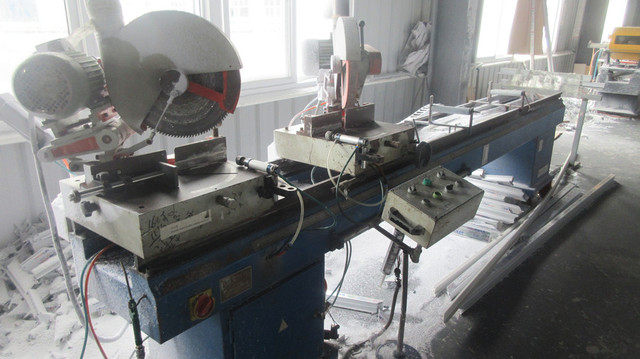
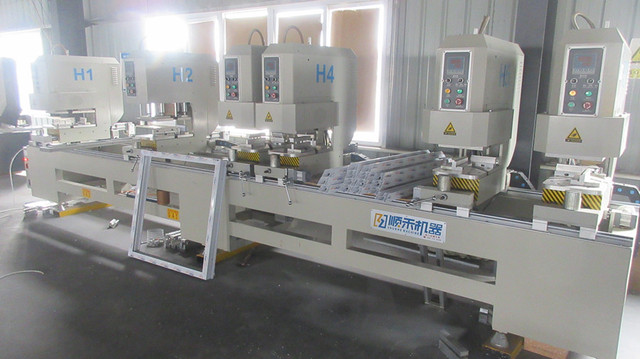
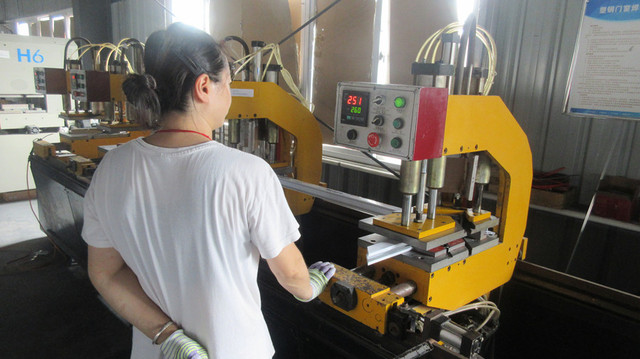
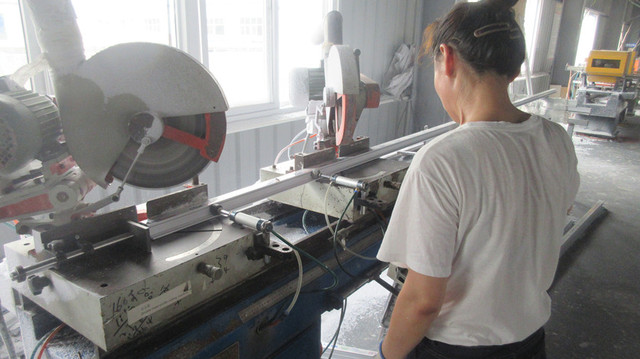
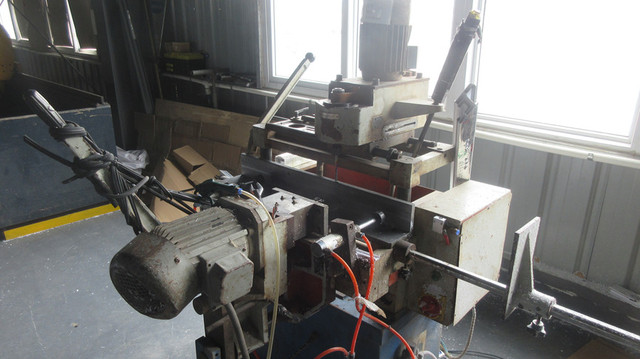
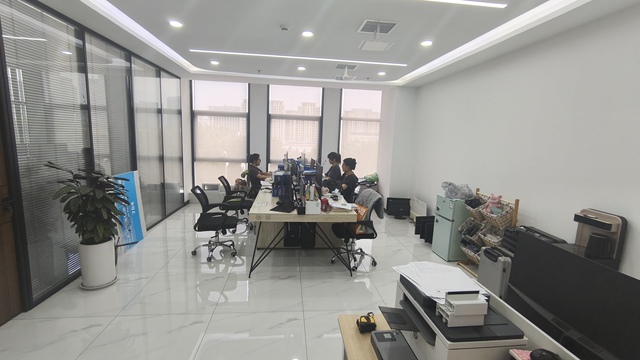
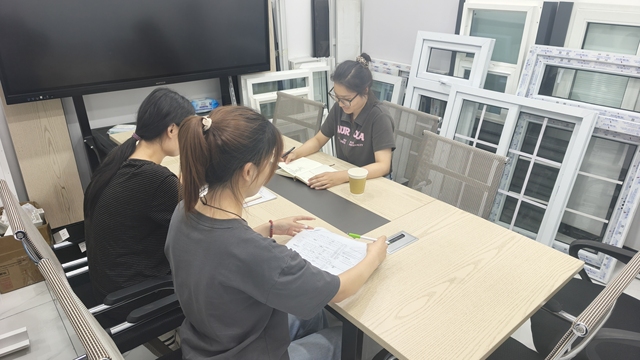
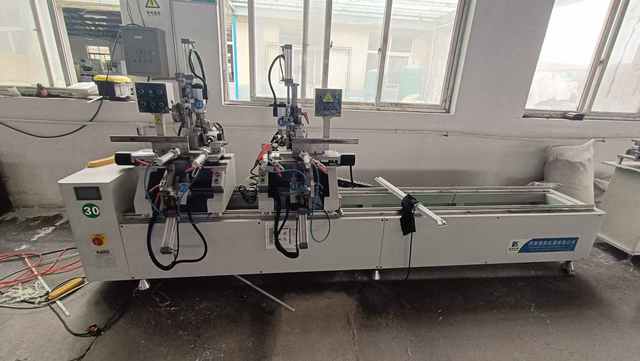
Inside the ORM Windows Manufacturing Facility

A look at the professional fabrication workshops, high-precision assembly lines, and testing stations in Foshan.

FAQ Guide

Frequently Asked Questions

Expert answers to common questions about aluminum hinges, metallurgy, and architectural window procurement.

What are the mechanical differences between 6063-T5 and 6063-T6 aluminum alloys for window profiles?

The primary differences lie in the heat treatment process and resulting mechanical properties. 6063-T6 is solution heat-treated and artificially aged, achieving a typical yield strength of around 214 MPa and tensile strength of 241 MPa. In contrast, 6063-T5 is cooled directly from shaping and aged, providing a yield strength of roughly 145 MPa. For heavy window systems subject to significant wind pressure, T6 tempered alloys offer superior resistance to deformation.

How does structural sash sag occur, and how do quality hinges prevent it?

Structural sash sag happens when the hardware cannot support the weight of the glass and profile frame over time, causing the window sash to drop. High-quality friction stays and butt hinges prevent this issue by utilizing thick-walled structural steel pins, self-lubricating nylon bearings, and rigid mounting brackets. Precision manufacturing tolerances also ensure weight is distributed evenly across all pivot points.

Why is Foshan, China considered a leading hub for sourcing architectural aluminum?

Foshan features a highly consolidated industrial ecosystem. Extrusion plants, surface finishing workshops, hardware manufacturers, and logistics providers operate in close proximity. This geographic cluster reduces transport times and material handling costs while allowing manufacturers to implement unified quality control across the production process.

What certifications should B2B buyers require for international projects?

Buyers should request certifications matching their regional building codes. Key international standards include **AS2047** for Australia, **CE/EN 14351-1** for the European Union, and **NFRC/AAMA** ratings for North America. These standards ensure the window systems have been tested for structural strength, air infiltration, and water resistance.

How do thermal break window systems improve energy efficiency?

Thermal break windows feature a low-conductive barrier (typically polyamide) inserted between the inner and outer aluminum frames. This thermal barrier prevents heat transfer through the metal, improving the insulation performance (U-value) and reducing condensation issues in cold climates.

Which surface treatment is best for window hardware in marine environments?

For coastal or marine projects, specifiers should require a Class I anodized finish (minimum 18μm thickness) or a high-performance PVDF (fluorocarbon) paint coating. These finishes offer superior resistance to salt spray and atmospheric corrosion compared to standard powder coatings.

Product Lineup

High-Performance Window Systems & Profiles

Explore our complete range of thermally broken casement windows, sliding frames, and architectural profiles.

Double Layer Glass Window
Aluminum Double-layer Tempered Glass Windows and Aluminum Sliding Windows Are Suitable for Family Apartments with Grille Designs
View Specifications
Aluminum Casement Profiles
Aluminum Profiles and Casement Doors & Windows, Ideal for Residential and Building Construction
View Specifications
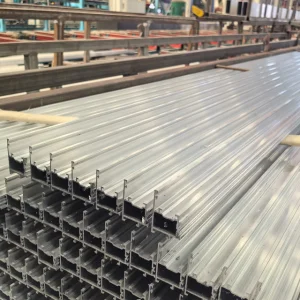
Extruded Profiles
Industrial Extruded Aluminum Alloy Profiles for Door Window Applications Durable Powder Coated Custom Size CNC Bending Cutting
View Specifications
Double Glazed Casement Windows
Custom Nfrc Certification Double Glazed Thermal Break Aluminum Windows French Casement Window
View Specifications
Curtain Wall System
Aluminum Glass Curtain Wall Facade Unitized Stick Frame Spider Sliding Folding Bifold Casement Hinge French Price Double Glazed Aluminium Windows Doors
View Specifications
Thermally Broken Casement Windows
High-Rise Buildings Thermally Broken Panoramic Casement Windows Villas Energy-Efficient Double Glazed Aluminum Window Systems
View Specifications
Wood Grain Finish Window
Custom Size Sliding Aluminum Window with Powder Coating Wood Grain Finish for Luxury Residence
View Specifications
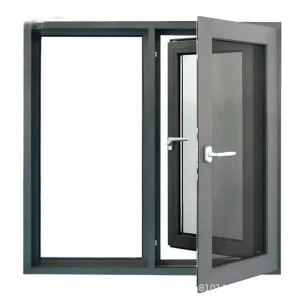
Factory Casement Window
Factory Price Aluminum Window/ Aluminium Casement Window with Net
View Specifications