High-performance double-glazed systems, sliding solutions, and modern thermal break profiles.
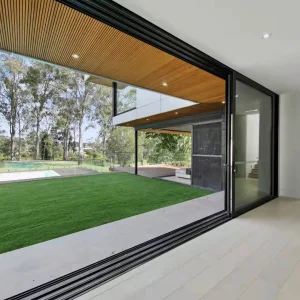
Within the architectural hardware matrix, aluminum handles represent much more than simple tactile interfaces; they are critical functional nodes designed to withstand mechanical stresses while ensuring structural integrity and user safety. High-performance aluminum alloy handles (predominantly engineered from AL6063 or AL6061 grades) serve as the primary operational points for fenestration systems, heavy-duty sliding doors, and curtain walls. Choosing the right manufacturer and exporter involves assessing material density, engineering tolerances, surface finishing technologies, and overall fatigue lifecycle.
Information Gain Insight: Modern architectural designs specify hardware components that can survive over 200,000 duty cycles without mechanical failure or dimensional warping. Furthermore, high-salinity coastal developments require aluminum hardware that meets AAMA 611 or Qualicoat specifications, resisting atmospheric corrosion and ultraviolet degradation over decades.
Aluminum's inherent strength-to-weight ratio, combined with advanced extrusion and die-casting methods, makes it the material of choice for architects globally. The global demand for high-end residential and commercial sliding doors has propelled the production of ergonomic pull handles, flush pulls, and lever handles. To assist procurement officers, system integrators, and real estate developers, this guide explores the engineering credentials, technological innovations, and macro-economic factors that define the top aluminum handle exporters.
To differentiate premium hardware from sub-standard products, buyers must evaluate the underlying metallurgy and manufacturing phases. Standard profiles typically utilize extrusion alloys, whereas complex geometries utilize pressure die-casting alloys like A380 or ADC12. For custom-machined pulls, CNC milling of solid T6 tempered billets represents the pinnacle of structural integrity and aesthetic precision.
| Alloy Grade | Primary Temper | Yield Strength (MPa) | Tensile Strength (MPa) | Best Suited Application |
|---|---|---|---|---|
| 6063 Aluminum | T5 / T6 | 170 - 214 | 186 - 241 | Standard architectural window handles, lever systems, flush pulls. |
| 6061 Aluminum | T6 | 276 | 310 | Heavy-duty commercial pulls, panic hardware, industrial lever bars. |
| ADC12 (Die-Cast) | As Cast | 160 | 310 | Complex geometries, multi-point lock housings, ergonomic grip handles. |
| 5052 Aluminum | H32 | 193 | 228 | Sheet plate handles, minimalist plate pulls for marine and offshore installations. |
The durability of an aluminum handle is highly dependent on its surface treatment. Top-tier manufacturers utilize state-of-the-art coating and finishing lines to guarantee protection against mechanical wear, sweat acidity, chemical cleaners, and atmospheric humidity. The three primary treatments include:
Using extruded 6000-series aluminum alloys for architectural handles allows for 100% recycling efficiency. The structural integrity is maintained during remelting, requiring only 5% of the energy needed for primary aluminum production.
Key performance and market statistics highlighting quality benchmarks and supply chain efficiency.
Strategic changes in technology, user expectations, and regional supply networks.
Modern commercial buildings demand smart entry hardware. Manufacturers now engineer aluminum pull-handles with integrated capacitive biometrics, LED status strips, and electromagnetic locks directly embedded within the profile cavity.
Architects are driving demand for "invisible" hardware. Slimline profiles and flush integrated pulls that lay completely flat within the frame structure require extreme precision during extrusion, stamping, and color matching.
Global real estate developers prioritize manufacturers who document carbon footprints with Environmental Product Declarations (EPDs). Sourcing handles made from recycled aluminum alloys provides crucial LEED credits.
The manufacturing cluster of Foshan, Guangdong represents the largest concentration of high-quality architectural aluminum production globally. Sourcing from this region offers several key advantages:
An authoritative system manufacturer bridging premium architectural aluminum profiles, advanced window engineering, and high-quality hardware configurations.
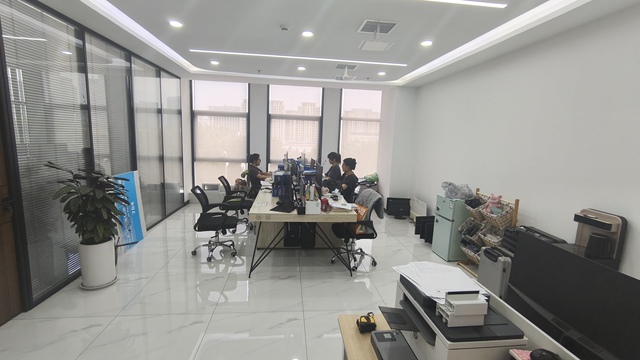
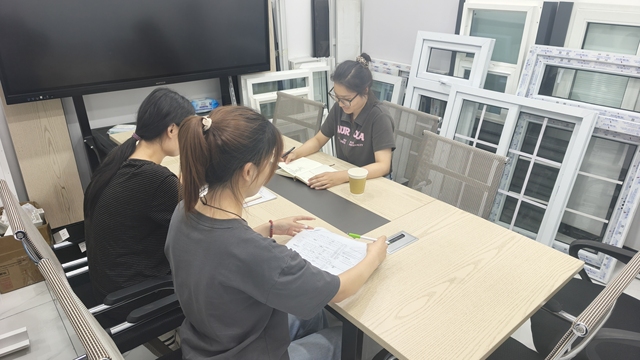
Foshan ORM Windows Co., Ltd. is a professional aluminum window manufacturer located in Foshan, Guangdong, China, one of the country's leading centers for architectural aluminum production and building materials manufacturing. Established in 2011, the company specializes in the design, engineering, manufacturing, and export of high-performance aluminum window systems for residential, commercial, and architectural projects worldwide.
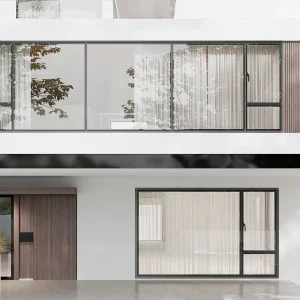
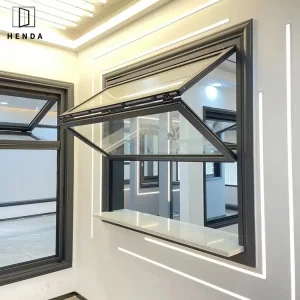
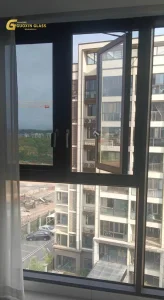
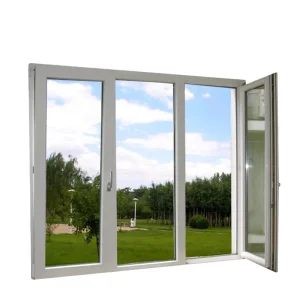
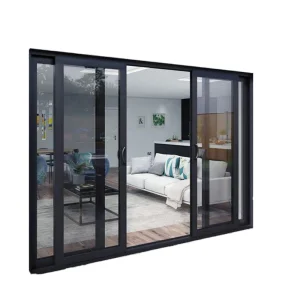
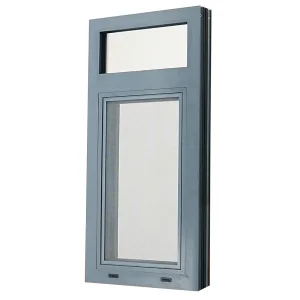
With a modern manufacturing facility covering more than 20,000 square meters and a team of over 280 skilled employees, ORM Windows is dedicated to providing reliable, energy-efficient, and aesthetically appealing window solutions. The company's product portfolio includes aluminum casement windows, sliding windows, awning windows, fixed windows, tilt-and-turn windows, thermal break window systems, double-glazed windows, and customized architectural window solutions designed to meet diverse building requirements.
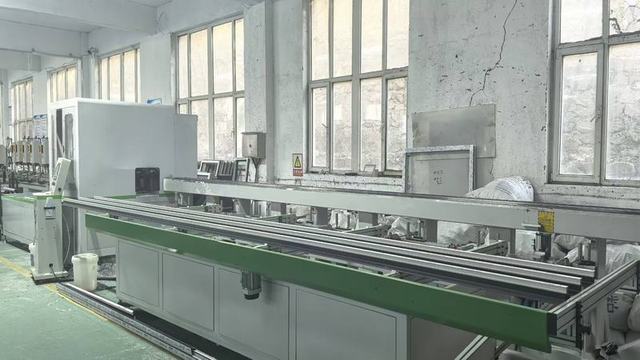
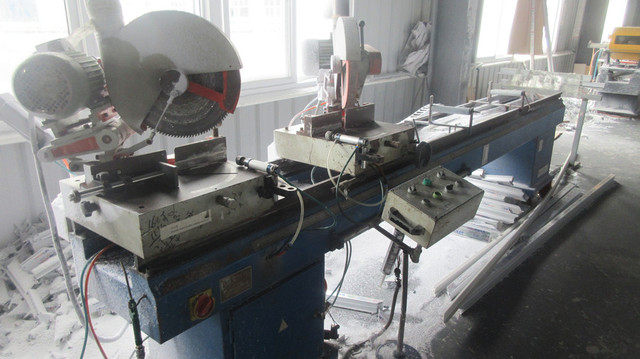
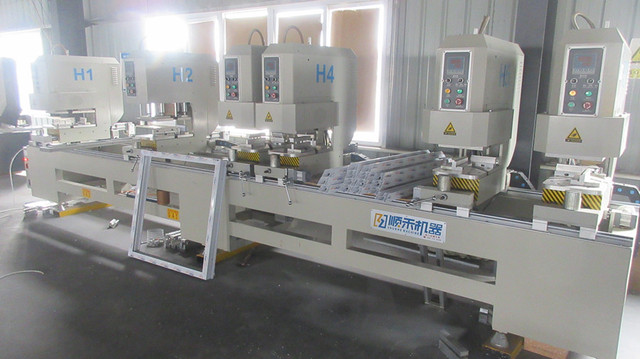
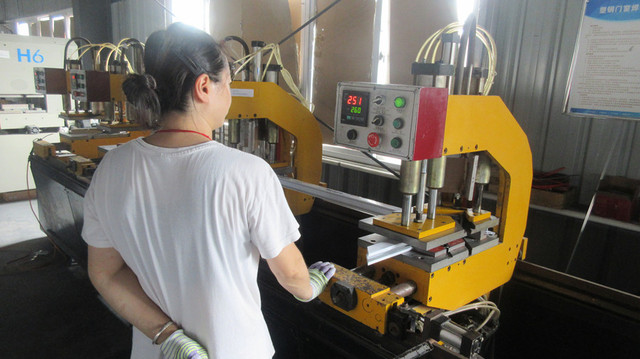
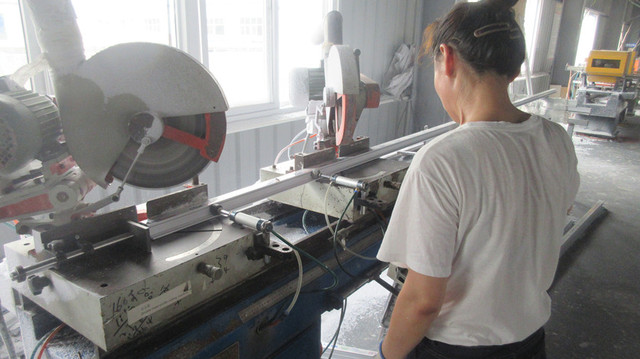
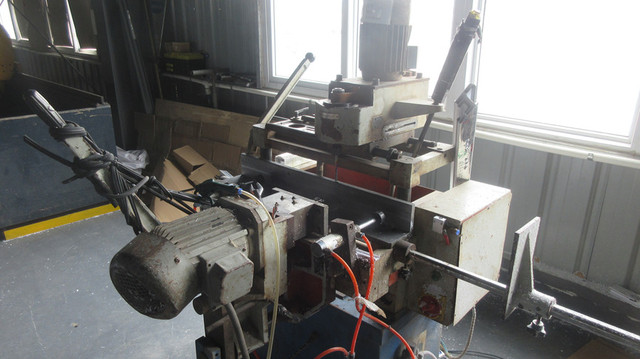
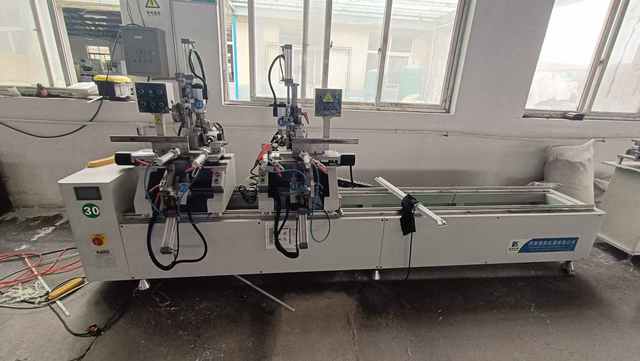
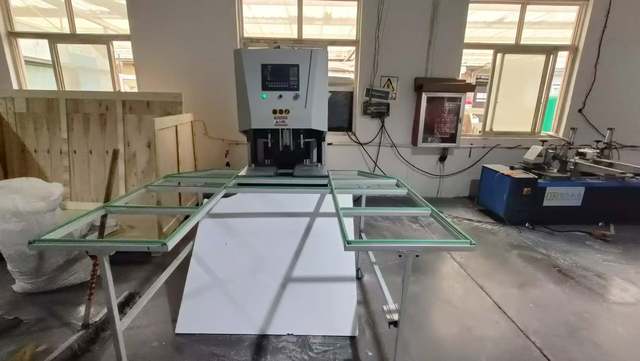
ORM Windows integrates advanced production equipment, precision fabrication technology, and strict quality management procedures throughout every stage of manufacturing. From aluminum profile processing and glass assembly to hardware installation and final inspection, every product is produced to ensure durability, weather resistance, thermal performance, and long-term reliability.
Supported by an experienced engineering and product development team, the company offers comprehensive OEM and ODM services, including customized dimensions, frame finishes, glazing options, hardware configurations, and private-label manufacturing. These flexible solutions enable builders, developers, distributors, and project contractors to meet specific market and project demands.
Serving customers across North America, Europe, the Middle East, Southeast Asia, Australia, and other international markets, Foshan ORM Windows Co., Ltd. has established a reputation for quality manufacturing, professional service, and dependable delivery. The company remains committed to providing innovative aluminum window solutions that enhance modern architecture while supporting sustainable and energy-efficient building development worldwide.
Tailoring structural hardware to local climatic requirements and project specifications.
Projects constructed within 5 kilometers of ocean coastlines face aggressive atmospheric chloride concentration. Under these conditions, standard aluminum hardware experiences filiform corrosion. Top solutions specify Grade 6061-T6 base metals paired with Class I anodized coatings or marine-grade PVDF coatings tested up to 1000 hours in neutral salt spray environments. Additionally, isolating stainless steel fasteners from aluminum profiles prevents galvanic corrosion.
Public structures like educational complexes, transportation hubs, and hospitals require robust design. Window and door controls must endure heavy mechanical loading and continuous cycle operation. Specifying solid-cast pull systems with dual-fixing through-bolts prevents thread stripping. Antimicrobial copper-alloy-infused coatings or cleanable anodized surfaces are also highly utilized in healthcare projects.
In high-latitude regions, thermal bridging through windows and doors contributes to energy loss. Modern systems use thermal break technology, separating the interior and exterior aluminum sections with polyamide insulating strips. It is critical that lock housings and handles do not bypass this thermal barrier, preventing interior condensation and maintaining system U-values.
Expert analysis addressing critical questions for architectural specifiers and global buyers.
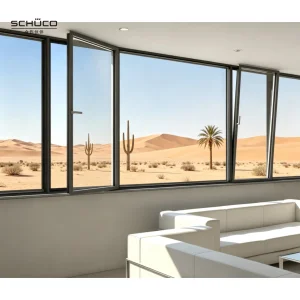
Smart dual-motor windows, tilt-and-turn configurations, and energy-efficient inward opening designs.



 ORM Windows