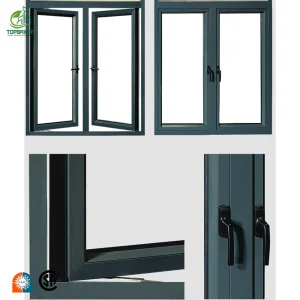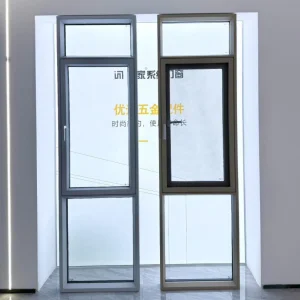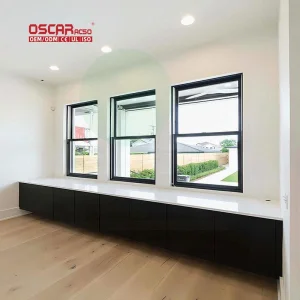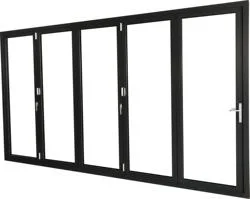
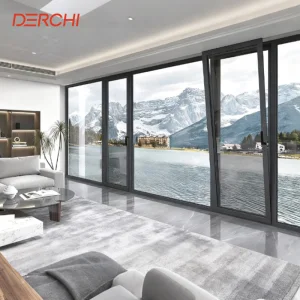
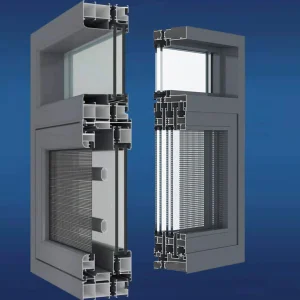
As modern agriculture transitions towards automation, vertical farming, and high-efficiency greenhouses, structural components must meet unprecedented standards of corrosion resistance, structural integrity, and thermal performance. Aluminum has emerged as the premier material for agricultural equipment frames, glazing support systems, and automated ventilation portals.
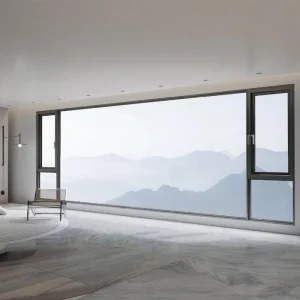
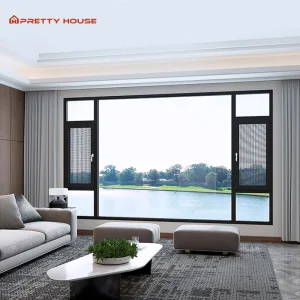
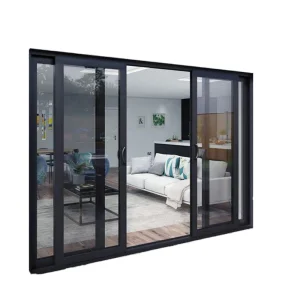
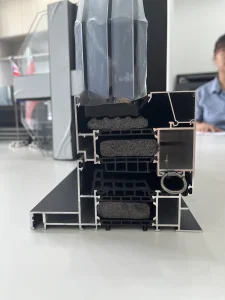
Using advanced 6063-T5/T6 structural aluminum profiles to support expansive double-glazed panels. These systems integrate high thermal performance, prevent heat loss in winter, and facilitate natural cooling through motorized ventilation windows.
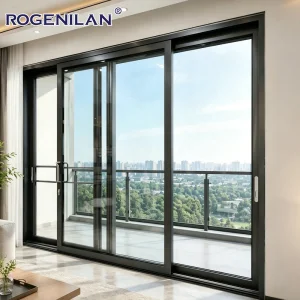
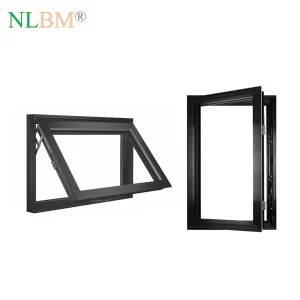
Precision-engineered casement and sliding mechanisms with EPDM double seals designed to protect internal crops from high winds, pest infiltration, and extreme humidity levels in commercial farms.
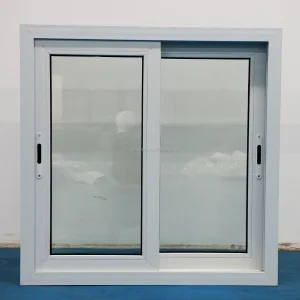
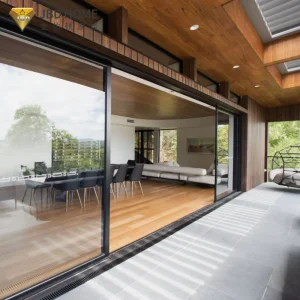
Heavy-duty aluminum sliding structures built to resist highly corrosive ammonia and uric acid environments in poultry and swine farming, outlasting traditional steel frames.
Why progressive global agricultural developers are prioritizing high-end aluminum profiles over cheaper mild and galvanized steel structures for smart farms.
| Performance Metric | Architectural Grade Aluminum (6063) | Hot-Dip Galvanized Steel | Impact on Agricultural Yield |
|---|---|---|---|
| Corrosion Resistance | Excellent (Forms a natural protective oxide layer, no rust) | Moderate (Rusts once the zinc coating degrades over time) | Maintains structure hygiene and prevents heavy metal runoff in soil. |
| Weight to Strength | High (Allows for lightweight, thin profile glass support) | Low (Heavy, requires massive footings & load-bearing columns) | Maximized solar ray entrance by using slimmer, stronger structural profiles. |
| Thermal Expansion | Predictable and controlled with integrated thermal breaks | Poor thermal insulation (Creates severe thermal bridges) | Crucial for maintaining optimal microclimates inside indoor farms. |
| Maintenance & Recyclability | Zero maintenance, 100% recyclable with high salvage value | Requires periodic anti-rust painting and surface touch-ups | Reduces long-term operational expenditures and carbon footprint. |
The global dominance of Chinese aluminum manufacturing clusters, specifically the Foshan Industrial Hub, provides unparalleled supply chain integrations. Chinese manufacturers do not merely extrude profiles; they run fully integrated ecosystems that span from raw bauxite processing to advanced CNC tooling, anodizing, assembly, and strict quality control.
For international buyers of agricultural equipment components, vertical farming structural frames, and heavy-duty greenhouse ventilation doors, this clustering translates into massive strategic benefits:
When vetting top manufacturers in China, international engineers must prioritize structural verification documents and material certificates:
| Alloy Certification | GB/T 5237 (Equivalent to EN 755) |
| Glazing Safety | SGCC (US) & AS/NZS 2208 |
| Wind Resistance | Up to Class 4 (Hurricane Rated) |
| Water Tightness | EPDM Triple Seal Systems |
Exploring how top-tier aluminum profiles and architectural-grade closures are utilized in diverse agricultural territories globally.
Farms in dry, sandy environments require heavy-duty sliding doors and double-glazed casement windows to prevent fine sand intrusion. Thermally broken profiles ensure that extreme solar heat remains outside, minimizing air-conditioning costs in vertical farming structures.
Traditional iron or galvanized frames rust within months in tropical conditions. Using anodized 6063 aluminum structures guarantees structural safety, resists chemical exposure from liquid nutrient lines, and holds heavy multi-tier vertical farming lighting arrays.
Coastal agricultural regions demand certified hurricane-proof aluminum doors and robust window frame setups. These specialized structural systems stand firm against severe wind loads, protecting sensitive cash crops like vanilla, orchids, and high-value leafy greens.
A professional aluminum manufacturer delivering high-performance structural systems, advanced sealing technologies, and custom agricultural enclosure windows worldwide.
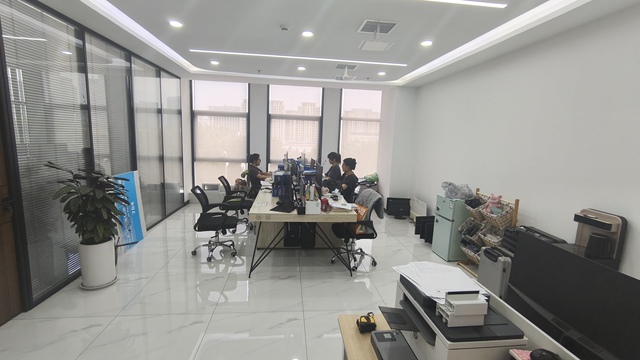
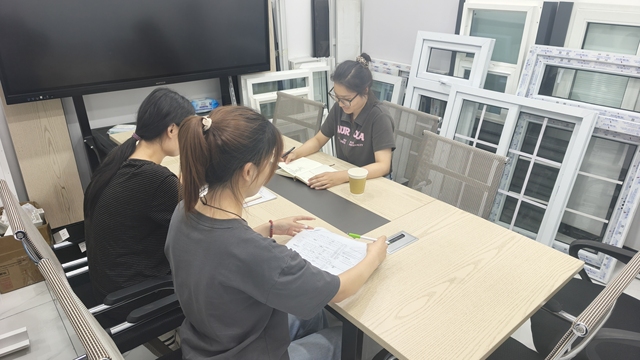
Foshan ORM Windows Co., Ltd. is a professional aluminum window manufacturer located in Foshan, Guangdong, China, one of the country's leading centers for architectural aluminum production and building materials manufacturing. Established in 2011, the company specializes in the design, engineering, manufacturing, and export of high-performance aluminum window systems for residential, commercial, and architectural projects worldwide.
With a modern manufacturing facility covering more than 20,000 square meters and a team of over 280 skilled employees, ORM Windows is dedicated to providing reliable, energy-efficient, and aesthetically appealing window solutions. The company's product portfolio includes aluminum casement windows, sliding windows, awning windows, fixed windows, tilt-and-turn windows, thermal break window systems, double-glazed windows, and customized architectural window solutions designed to meet diverse building requirements.
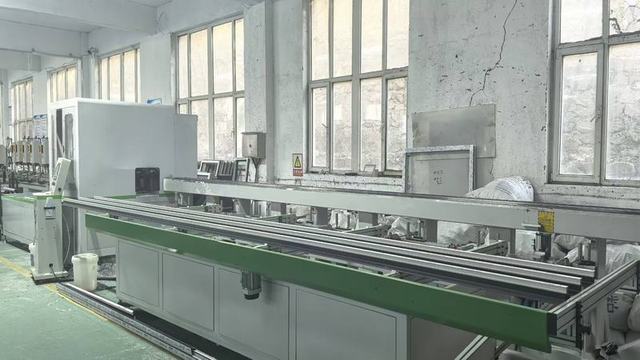
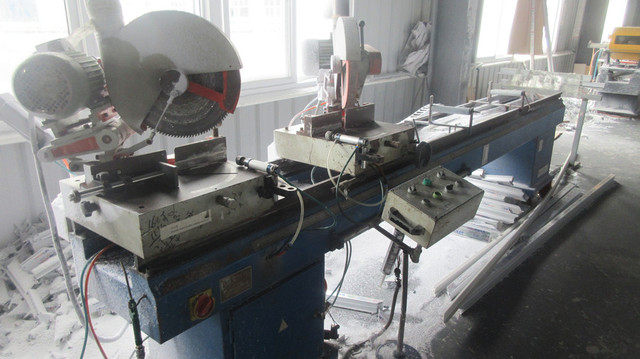
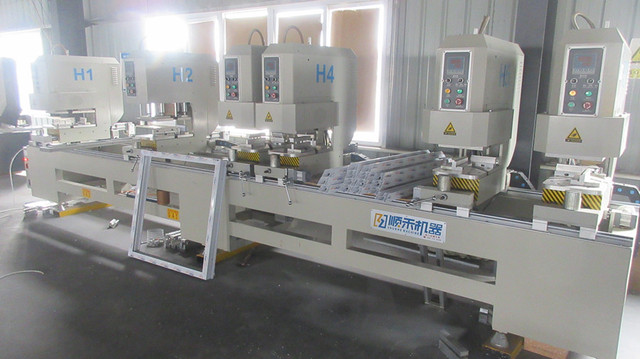
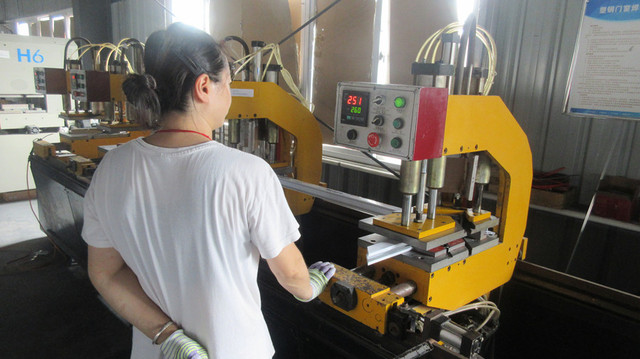
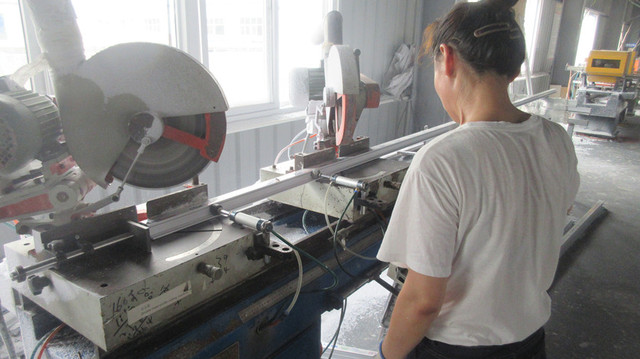
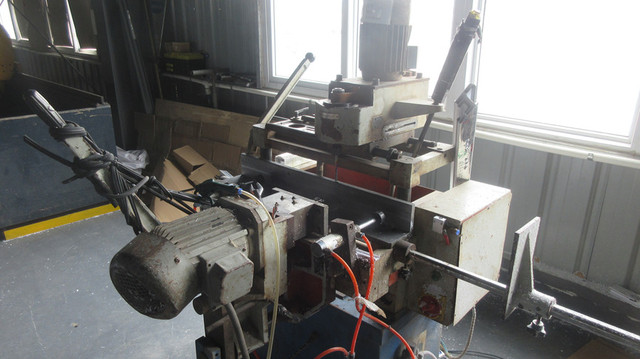
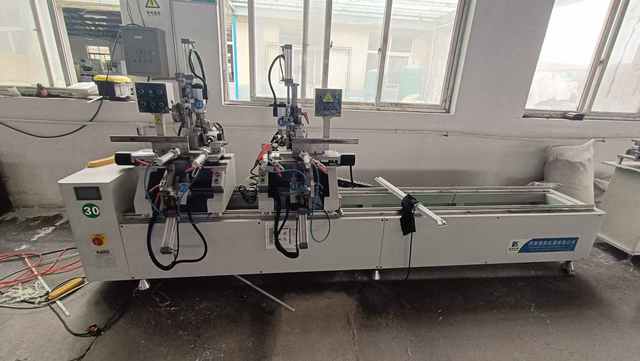
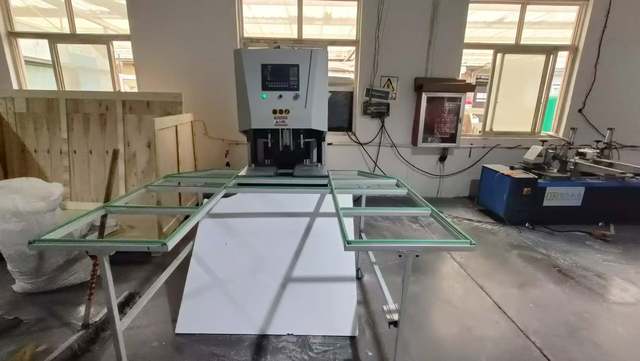
ORM Windows integrates advanced production equipment, precision fabrication technology, and strict quality management procedures throughout every stage of manufacturing. From aluminum profile processing and glass assembly to hardware installation and final inspection, every product is produced to ensure durability, weather resistance, thermal performance, and long-term reliability.
Supported by an experienced engineering and product development team, the company offers comprehensive OEM and ODM services, including customized dimensions, frame finishes, glazing options, hardware configurations, and private-label manufacturing. These flexible solutions enable builders, developers, distributors, and project contractors to meet specific market and project demands.
Serving customers across North America, Europe, the Middle East, Southeast Asia, Australia, and other international markets, Foshan ORM Windows Co., Ltd. has established a reputation for quality manufacturing, professional service, and dependable delivery. The company remains committed to providing innovative aluminum window solutions that enhance modern architecture while supporting sustainable and energy-efficient building development worldwide.
Addressing technical engineering questions from global agricultural planners and project purchasing managers.
 ORM Windows