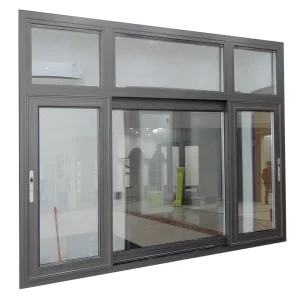
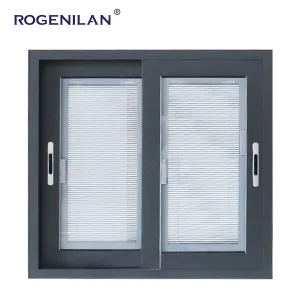
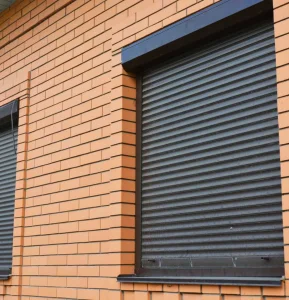
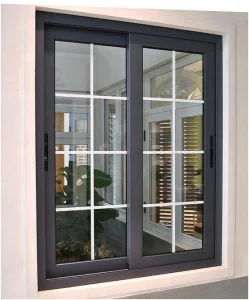
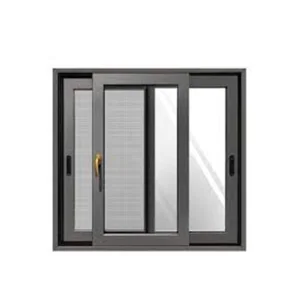
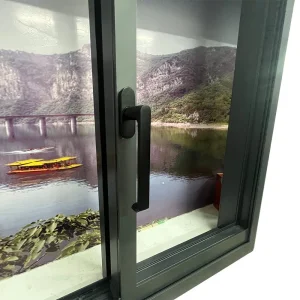
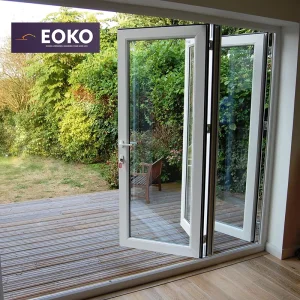
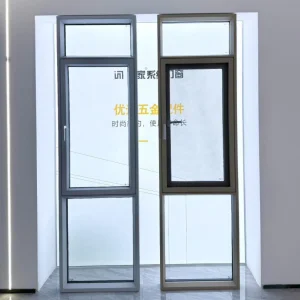
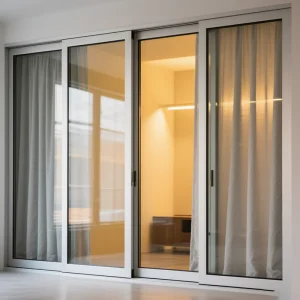
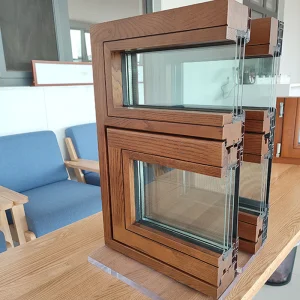
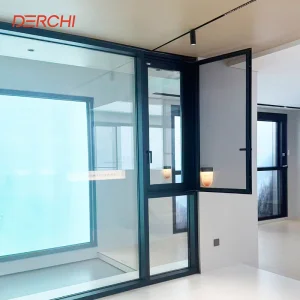
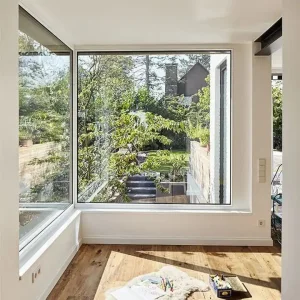
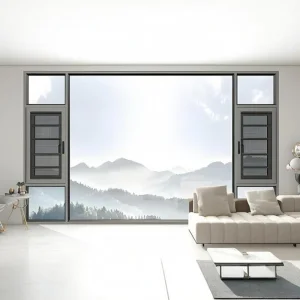
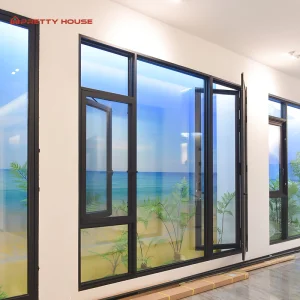
Explore our foundational range of customized high-performance structural systems, sliding configurations, and custom window profiles designed for global engineering compliance.
A Global Standard in Custom Aluminum Engineering & Architectural Solutions
Founded in the world-renowned center for architectural aluminum production—Foshan, Guangdong, China—Foshan ORM Windows Co., Ltd. has established itself since 2011 as a dominant force in the design, engineering, and precision fabrication of high-performance architectural systems. As a leading player in the structural metal industry, we specialized in the engineering of bespoke structural envelopes, heavy-duty mullions, and custom OEM aluminum supports that underpin modern skyscrapers, high-end residential complexes, and light-industrial assemblies globally.
Spanning over 20,000 square meters of state-of-the-art production space and powered by a highly specialized workforce of over 280 engineers, technicians, and QA specialists, ORM delivers structural durability, weatherproofing excellence, and thermal efficiency. Our product portfolio spans beyond conventional installations to encompass custom load-bearing aluminum profiles, non-standard structural supports, thermal break framing, and custom-engineered glazing adapters designed to survive extreme environmental stresses.
Analyzing the macro trends driving the demand for custom extrusion alloys in modern high-load building physics.
Modern building envelopes require thin visual sightlines coupled with immense structural capacity. Custom OEM aluminum support structures form the backbone of these curtain wall configurations, carrying massive wind and dead-load distributions while housing internal drainage channels and thermal barriers.
Aluminum offers an unmatched strength-to-weight ratio compared to structural steel. By opting for custom-designed profiles, project managers eliminate material waste, minimize structural dead loads, reduce foundational stress, and drastically lower maritime transportation costs.
With environmental criteria like LEED and BREEAM dictating modern procurement, the recyclability of aluminum structural supports is crucial. Modern OEM profiles are engineered using high-recycled-content alloys (e.g., Al-Mg-Si series) to optimize life cycle assessments (LCA) without compromising mechanical properties.
A comprehensive breakdown of metallurgy, load calculations, and finishing standards used at the ORM fabrication plant.
Understanding the structural behavior of aluminum extrusions under static and dynamic loading is essential for high-performance buildings. At ORM, our engineering team utilizes Finite Element Method (FEM) analysis to evaluate stress concentrations, thermal gradients, and structural deflection under peak pressure loads.
We process standard marine-grade and structural-grade alloys such as 6063-T5, 6063-T6, and 6061-T6. These alloys are specifically tempered to achieve high yield strengths of up to 240 MPa. By incorporating continuous polyamide thermal barrier strips (PA66 GF25), we decouple the interior and exterior aluminum profiles, minimizing thermal bridge transmission while maintaining unified structural resistance.
How custom aluminum supports are adapted to survive diverse and punishing global microclimates.
In coastal markets like the Philippines, Florida, and the Caribbean, high salinity and destructive typhoons present double hazards. Our custom-designed supports feature integrated drainage channels, marine-grade heavy-duty hardware anchors, and a dual-seal EPDM system that mitigates water penetration during extreme driving rains.
For regions prone to earthquakes (e.g., Japan, Western Coast of North America), structural support frames must offer controlled deflection. ORM engineers interlocking slip-joint structural brackets. These allow localized movement, preventing stress buildup that could lead to catastrophic glass or structural failure.
In Northern Europe and Canada, thermal contraction can stress metal-to-concrete interfaces. Our multi-chamber thermal break systems use custom-profiled EPDM gaskets and deep polyamide structural insulations. This controls heat transfer and prevents internal condensation while maintaining high structural support.
Unpacking the geo-economic advantages that allow ORM to deliver bespoke solutions rapidly to global clients.
Foshan is the undisputed global hub for architectural aluminum. Operating from this ecosystem gives Foshan ORM Windows Co., Ltd. access to a concentrated supply chain. From raw aluminum billet smelting and high-tonnage extrusion presses to advanced surface treatment facilities (such as horizontal and vertical powder coating lines) and tooling design centers, every element of production is situated within a 30-minute radius.
This concentration translates to significant benefits for our global clients:
How R&D is changing the landscape of high-performance architectural support profiles.
We are engineering next-generation frames with built-in sensors. These monitor structural load changes, temperature shifts, and moisture ingress. They feed data directly back to building management systems (BMS) for real-time monitoring.
By shifting production toward hydro-powered low-carbon aluminum billets, ORM aims to reduce the embedded carbon footprint of our custom support profiles by 50% by 2030, supporting carbon-neutral construction initiatives.
We are rolling out 5-axis CNC machining centers. These execute multi-angle profile processing with tolerances under 0.05mm, ensuring smooth onsite assembly and eliminating the need for field adjustments.
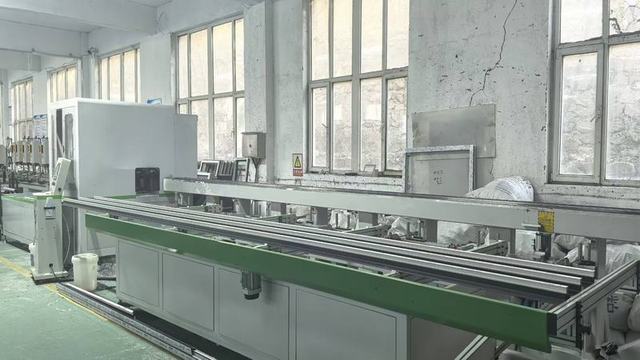
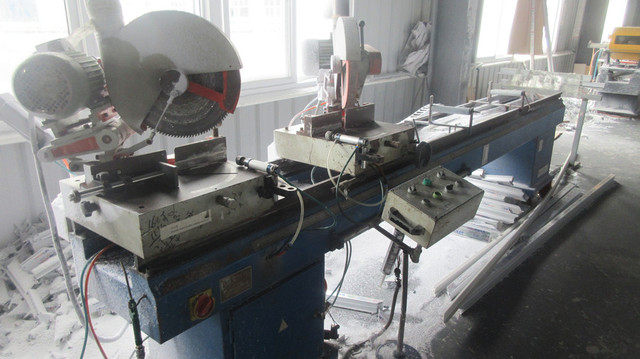
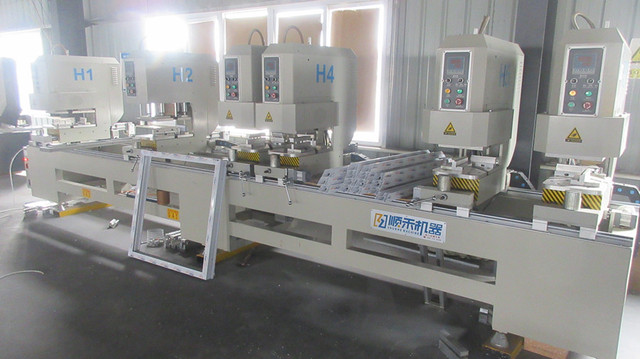
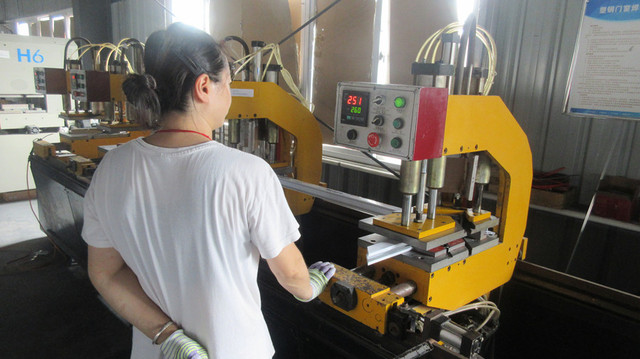
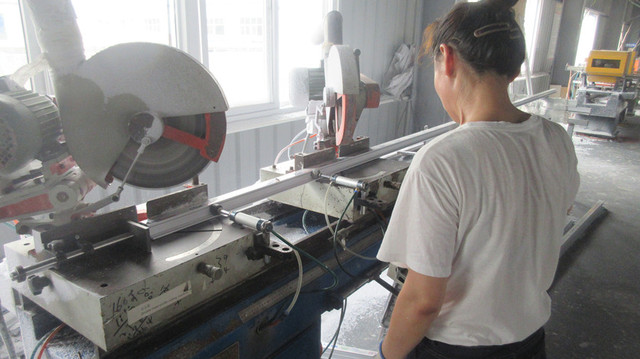
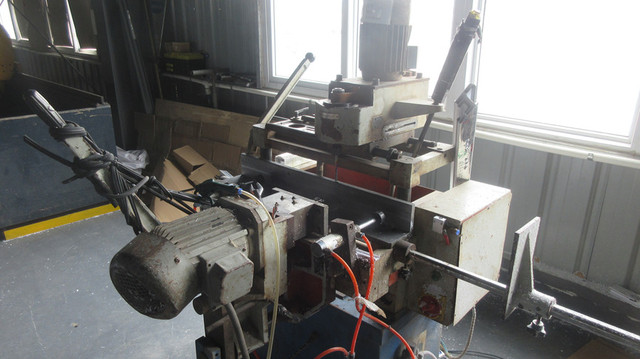
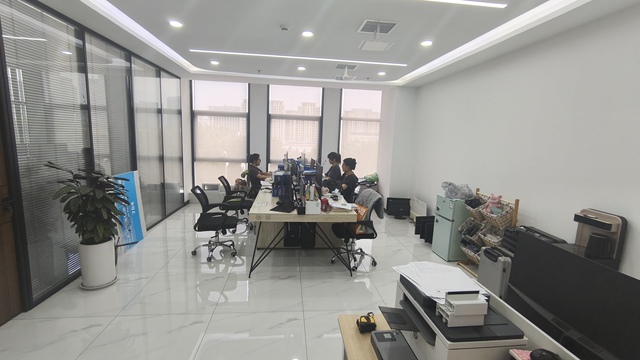
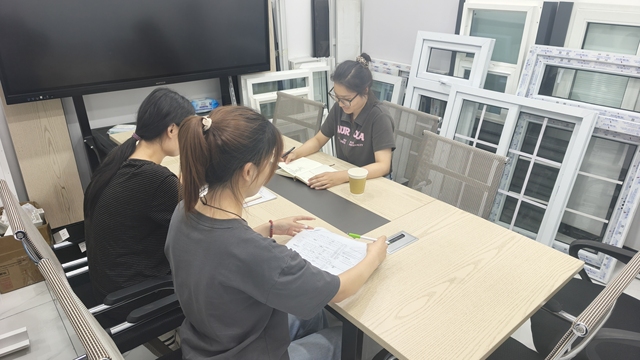
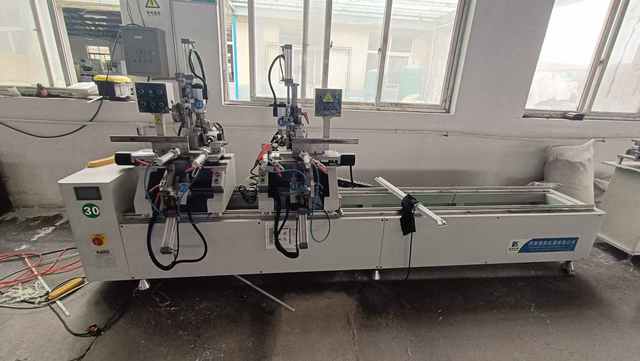
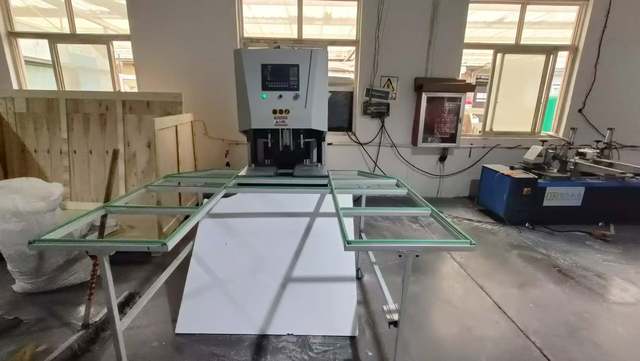
A look inside our 20,000㎡ manufacturing plant: precision fabrication, assembly lines, and inspection standards.
Ensuring compliance across varying global jurisdictions through testing and certification protocols.
Exporting custom architectural components to markets including North America, Europe, Australia, and Southeast Asia requires adherence to strict building codes. ORM’s custom aluminum supports and window systems are tested under NFRC, AAMA, CE, and AS2047 conditions to ensure compliance with global structural and thermal regulations.
Whether your project demands specific acoustic performance (such as OITC/STC ratings in heavy noise corridors), air infiltration control (ASTM E283), water penetration resistance (ASTM E331), or seismic displacement limits, we work directly with third-party testing laboratories (SGS, Intertek, TUV) to issue certified test reports. This ensures smooth structural reviews during municipal building inspection phases.
Professional engineering insights for buyers, facade consultants, and general contractors.
Review our specialized configurations, folding glass systems, and custom profile supports optimized for diverse installation environments.
 ORM Windows