Explore our high-performance structural systems, thermal breaks, and custom aesthetic configurations engineered to meet international architectural codes.
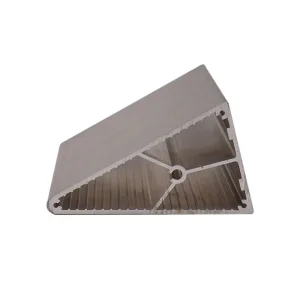
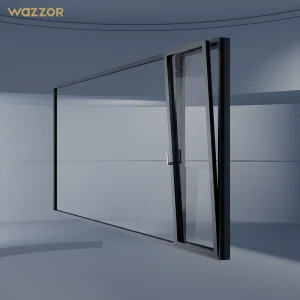
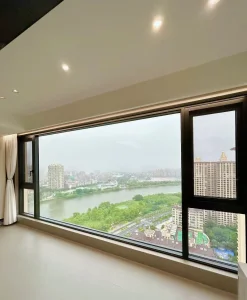
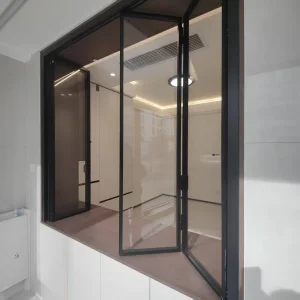
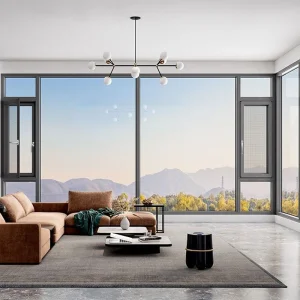
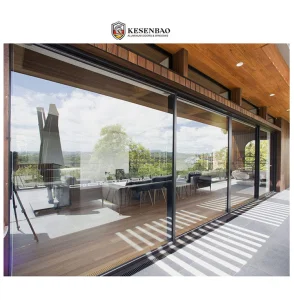
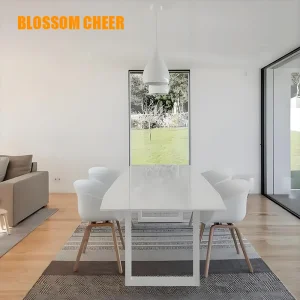
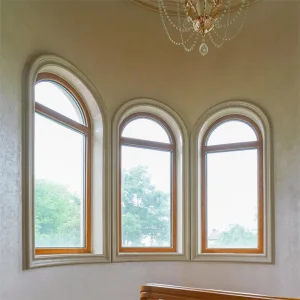
In the modern landscape of high-end architectural design, commercial construction, and custom gallery framing, the selection of the primary structural medium is critical. Traditional framing structures often suffer from environmental degradation, structural deflection over large spans, and poor thermal performance. The introduction of engineered aluminum art frames and structural window framing systems solves these challenges by combining the high tensile strength of premium aluminum alloys with advanced surface treatment technologies.
Foshan ORM Windows Co., Ltd. stands as a premier manufacturer located in the heart of Foshan, Guangdong, China—one of the world's most dense clusters for architectural aluminum production. Established in 2011, ORM has evolved from a regional design firm to a dominant international supplier of structural framing systems, aluminum window designs, and custom OEM art frames, boasting a modern 20,000 square meter facility and over 280 skilled professionals.
Leveraging advanced horizontal and vertical extrusion lines, precision CNC machining, and automated glass processing facilities, ORM guarantees that every framework complies with rigorous global engineering and testing standards.
The transition to sustainable, lightweight, and thermally broken metal frames is reshaping global commercial building envelopes and museum-grade displays.
Architects globally are moving away from bulky timber and carbon-heavy steel, preferring ultra-thin, sleek profiles. Aluminum art frames and window systems allow for maximizing glaze areas without sacrificing structural integrity, delivering expansive views and clean sightlines.
With the global drive toward LEED, BREEAM, and Net-Zero certifications, aluminum's 100% recyclability rate makes it the preferred eco-conscious metal. Using recycled billets reduces energy consumption during production by up to 95% compared to primary aluminum production.
Unlike wood or vinyl, structural aluminum does not warp, rot, or degrade under UV radiation. Surface finishes like architectural powder coating and Class-I anodizing insulate the structural alloy from aggressive saline marine environments and high humidity.
Architectural aluminum art frames and window envelopes serve key practical functions adapted to specific structural and geographic demands.
Museums and art galleries demand precise micro-climate controls and structural load balancing. High-precision aluminum art frames serve as structural chassis, supporting ultra-clear laminated anti-reflective glass. The low coefficient of thermal expansion ensures that internal conditions remain static, protecting historical artifacts and high-value contemporary art.
In coastal zones subject to hurricane forces (such as Florida, USA, and Southeast Asia), window systems act as structural shielding. ORM’s typhoon-resistant systems combine 6063-T6 architectural frames with heavy-gauge internal steel reinforcements and multi-point secure locking systems, rated to withstand extreme wind load pressures exceeding 5000 Pa.
For cold climates in Northern Europe and North America, basic metallic framing leads to massive heat loss. ORM integrates custom polyamide thermal barrier strips (such as PA66-GF25) to sever the conductive path of the aluminum profiles. Combined with double or triple-glazed argon-filled low-E glass, these systems significantly lower U-values to comply with stringent local energy codes.
Foshan, Guangdong, is globally recognized as the supreme ecosystem for architectural metalwork fabrication. This concentrated cluster provides direct access to high-purity aluminum smelters, automated die design workshops, specialized surface treatment plants, and international maritime logistics hubs.
This industrial concentration translates directly into significant advantages for international buyers:
"By integrating upstream extrusion assets and maintaining partnerships with major architectural glass giants, ORM maintains stable raw material pricing even during global metal market spikes, shielding our global clients from volatile pricing shifts."
Innovation in architectural framing is shifting toward smart material integration, carbon minimization, and structural minimalism.
Developing structural profiles with face widths of less than 20mm. These micro-frames maximize visual space while utilizing internal alloy structures to manage high glass loads.
Integrating electronics within the structural profile cavities. This allows for concealed wiring systems, motorized lock operations, and smart electrochromic glass controls built directly into the frame.
Partnering with certified smelters to utilize zero-carbon or low-carbon aluminum profiles made using hydroelectric power. These solutions reduce embedded carbon by up to 70%, aligning with strict global environmental standards.
We work with international testing laboratories to ensure all window and framing products meet global standards.
ORM’s systems are designed to comply with AAMA/WDMA/CSA 101/I.S.2/A440 standards. Our products undergo testing for air infiltration, water resistance, and structural deflection to meet strict building codes in regions like Florida.
Our window and door profiles comply with European standards, including EN 14351-1. Thermal transmittance evaluations are performed to determine U-value ratings that align with EU carbon targets and thermal insulation requirements.
ORM products are configured and tested to satisfy AS2047 and AS1288 standards, ensuring wind pressure, deflection, and glazing safety match building regulations in Australia and New Zealand.
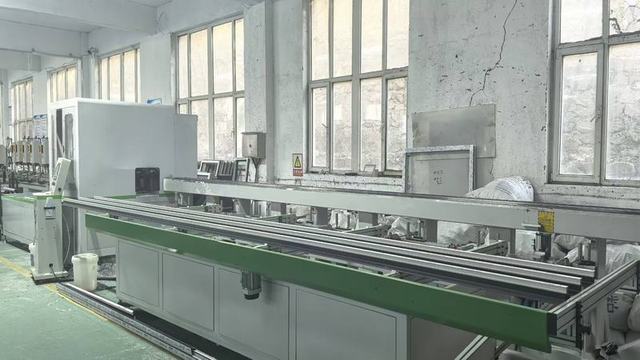
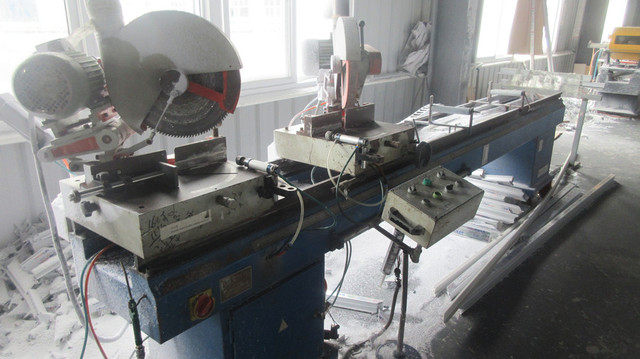
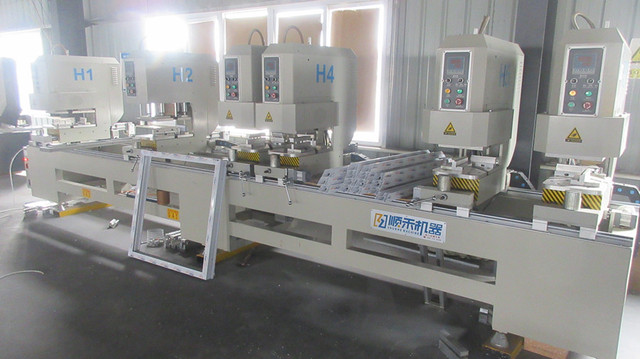
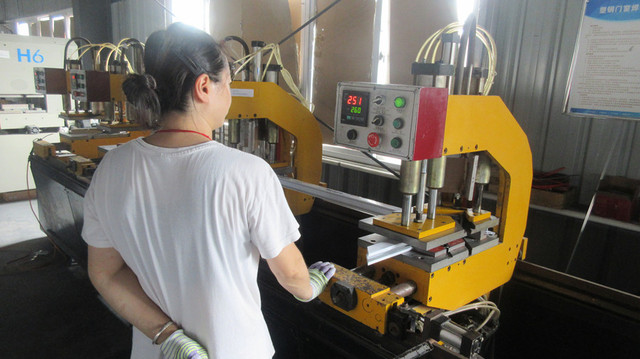
Take an inside look at our production floor, showing our extrusion inspection, glass glazing, and final QC assembly lines.
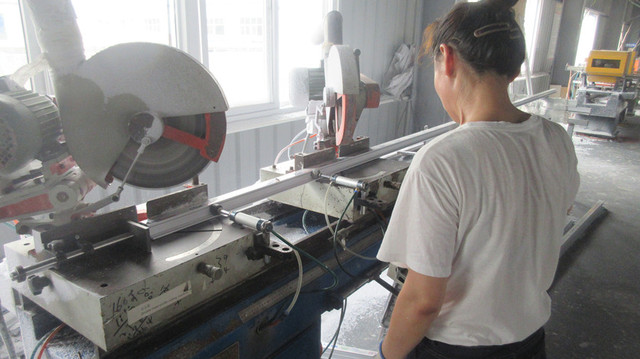
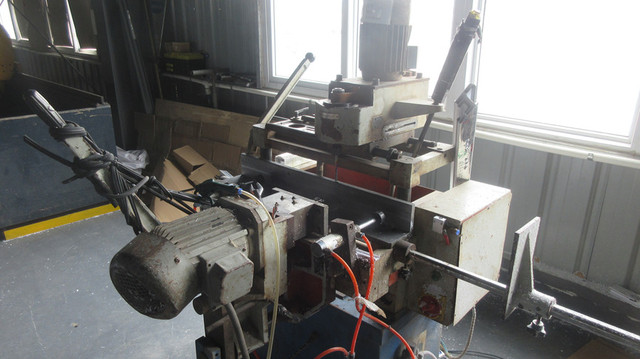
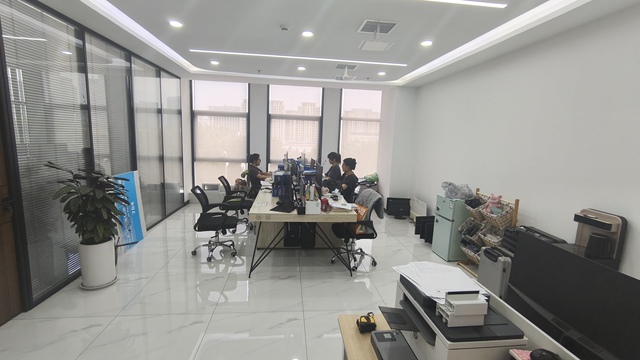
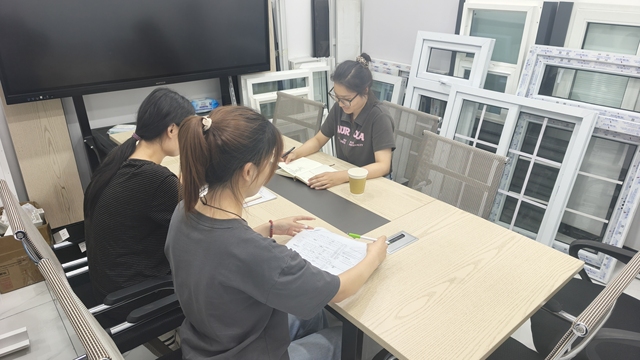
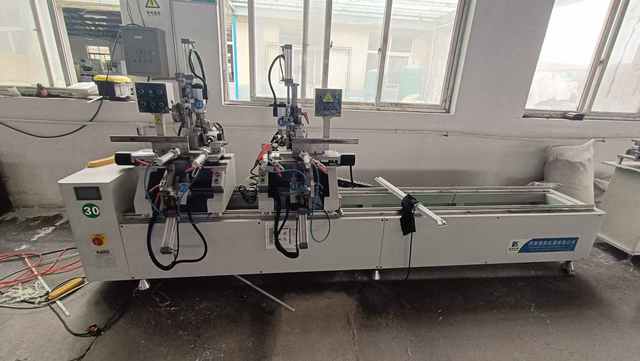
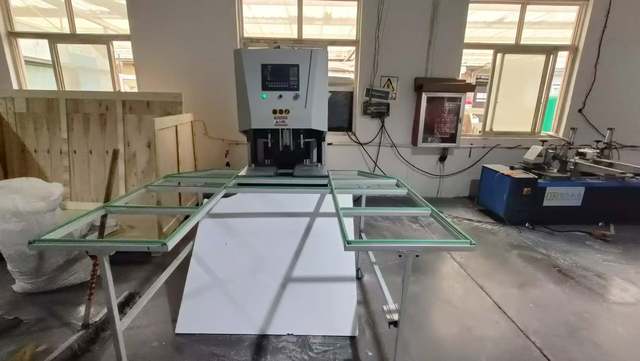
Find answers to common technical, structural, and logistical questions regarding custom aluminum profiles and window frames.
We primarily use 6063-T5 or 6063-T6 grades for architectural framing due to their balance of tensile strength, corrosion resistance, and extrusion performance. For higher-stress projects, 6061-T6 is available to provide additional structural stability.
Aluminum is a conductive metal. To manage thermal performance, we isolate the inner and outer profile sections using a polyamide thermal break strip. This reduces heat transfer, helping configurations achieve low overall U-values.
We offer architectural-grade powder coating, Class-I/II anodizing, and PVDF coatings. Finish options include a wide range of RAL colors, wood-grain patterns, and textured surfaces to meet specific project design needs.
For custom profiles, drawing approval and die creation typically require 10 to 14 days. Extrusion, machining, coating, and assembly processes generally take 25 to 35 days, depending on total project scale and finish requirements.
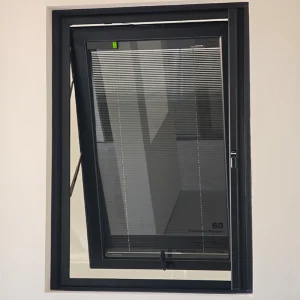
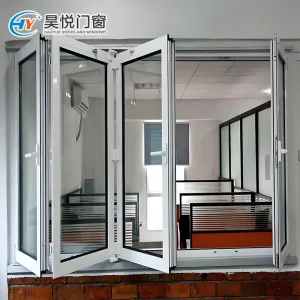
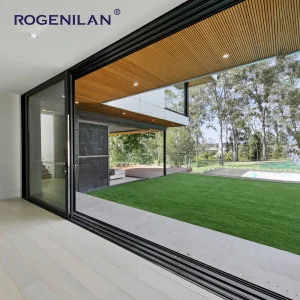
Complete structural solutions incorporating top-tier hardware configurations and heavy-duty sliding mechanism designs.
 ORM Windows