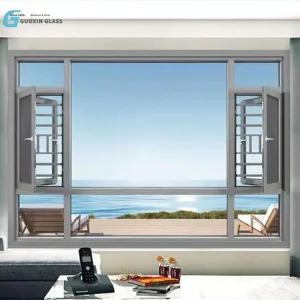
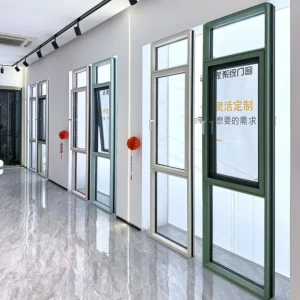
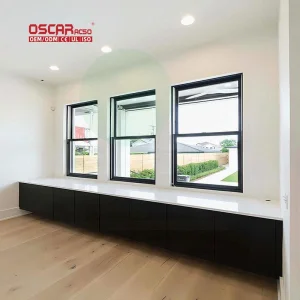
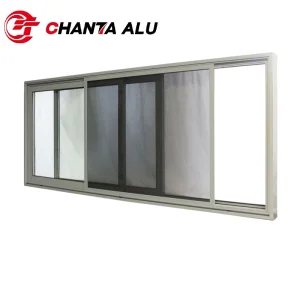
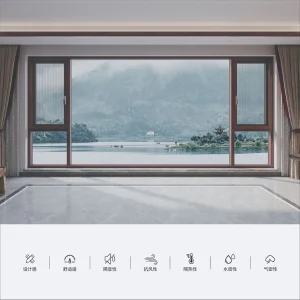
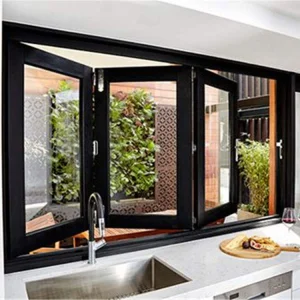
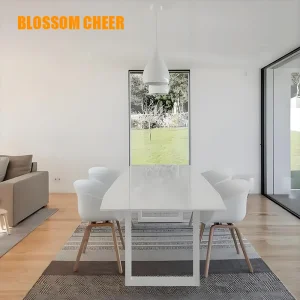
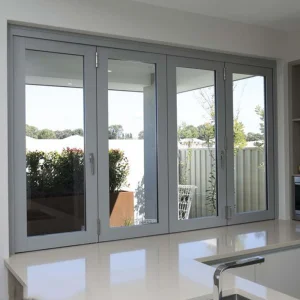
Explore our elite range of structural, hurricane-proof, and thermal-break window systems engineered to precise specifications.
An in-depth analysis of electrochemical oxidation, surface durability, and spatial structural performance.
Aluminum anodizing is an advanced electrochemical process that converts the metallic surface of aluminum profiles into a highly durable, corrosion-resistant, and structural anodic oxide layer. Unlike surface coatings such as liquid paint or powder finishes, which rely on mechanical adhesion to the substrate, the anodized layer is structurally integrated with the underlying aluminum. It is a controlled oxidation process where the aluminum profile functions as the anode in an acidic electrolytic cell.
When an electrical current passes through the sulfuric acid electrolyte bath, water molecules split, releasing oxygen ions. These ions bond with the aluminum atoms on the surface, producing a highly ordered, microscopic honeycomb-like porous structure of aluminum oxide (Al₂O₃). This structure is subsequently sealed in a high-temperature hydration bath to prevent further reaction, converting the oxide into a chemical barrier against aggressive atmospheric elements.
The choice of anodized finish in custom OEM aluminum extrusions and window systems is driven by major physical advantages:
A comprehensive overview of our advanced facilities, structural capacities, and global supply footprints.
Foshan ORM Windows Co., Ltd. is a professional aluminum window manufacturer located in Foshan, Guangdong, China, one of the country's leading centers for architectural aluminum production and building materials manufacturing. Established in 2011, the company specializes in the design, engineering, manufacturing, and export of high-performance aluminum window systems for residential, commercial, and architectural projects worldwide.
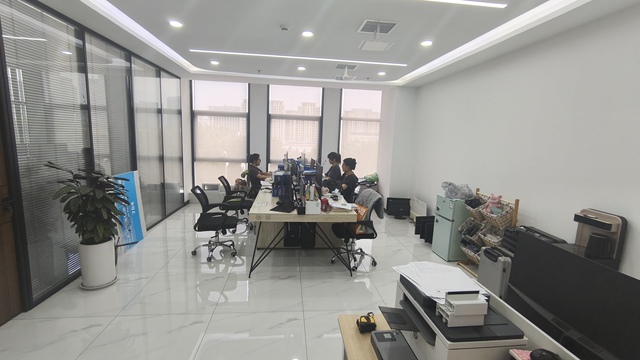
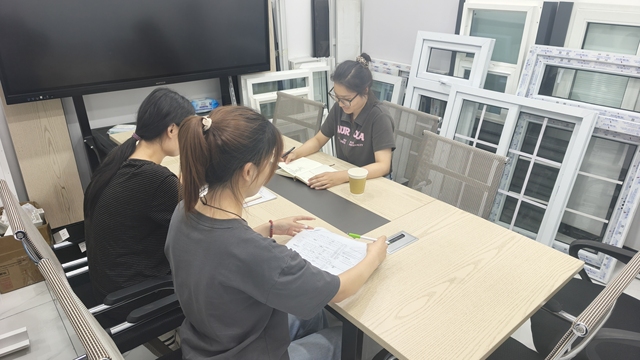
Supported by an experienced engineering and product development team, the company offers comprehensive OEM and ODM services, including customized dimensions, frame finishes, glazing options, hardware configurations, and private-label manufacturing. These flexible solutions enable builders, developers, distributors, and project contractors to meet specific market and project demands.
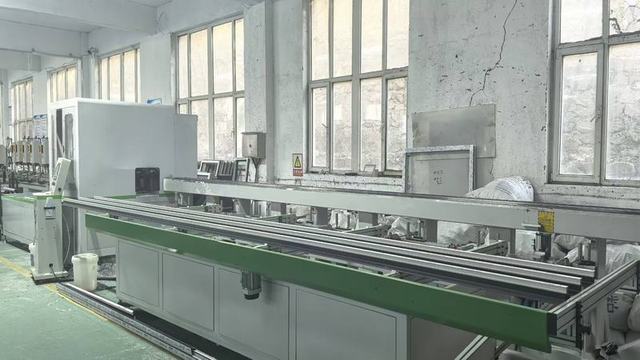
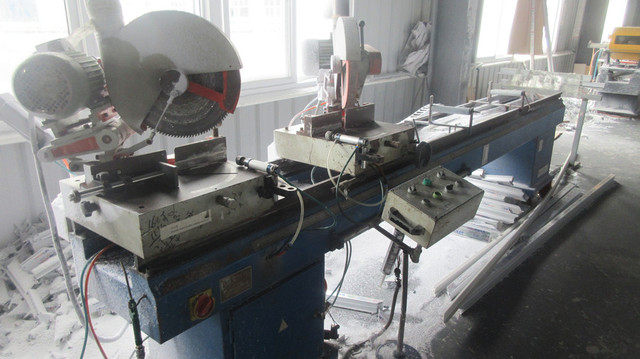
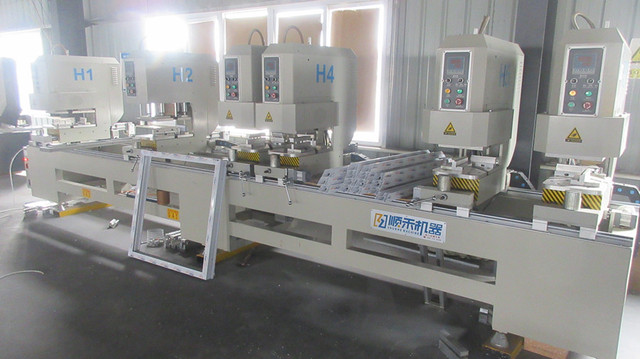
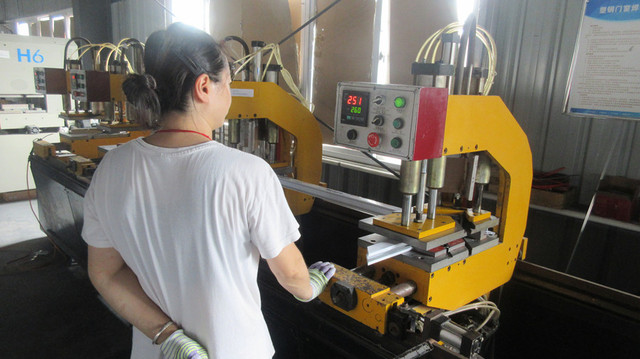
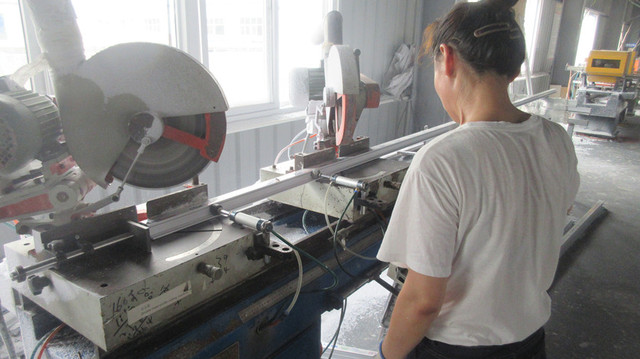
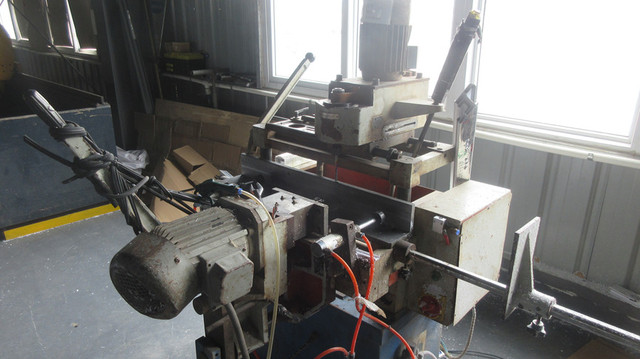
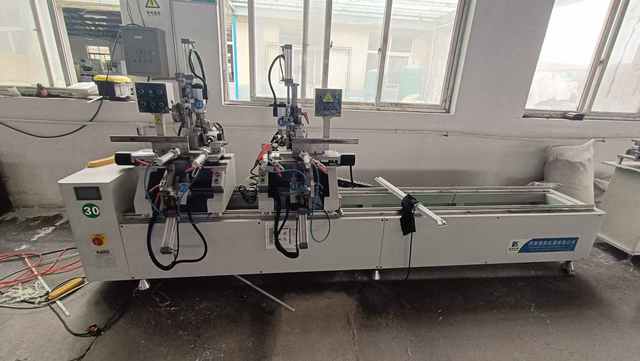
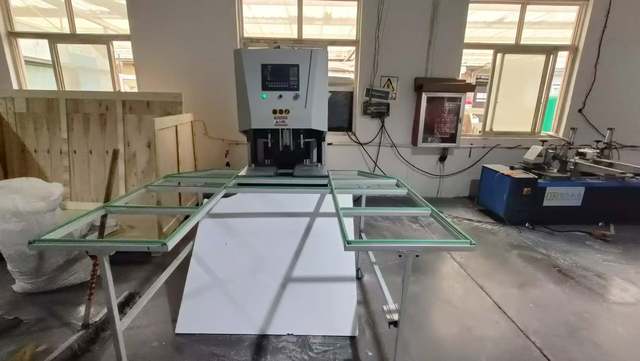
ORM Windows integrates advanced production equipment, precision fabrication technology, and strict quality management procedures throughout every stage of manufacturing. From aluminum profile processing and glass assembly to hardware installation and final inspection, every product is produced to ensure durability, weather resistance, thermal performance, and long-term reliability.
Analyzing the economic, logistical, and technical parameters that make Foshan the epicenter of aluminum manufacturing.
Foshan, Guangdong, represents the most dense, integrated, and technically advanced industrial cluster for aluminum extrusions and structural building components globally. This geographic specialization offers several advantages for international procurement managers:
Operating in the competitive global market requires adherence to international building regulations. ORM Windows utilizes a multi-phase quality management protocol:
Every batch of raw 6063-T5/T6 aluminum alloy is verified via optical emission spectrometry to confirm chemical composition and mechanical properties. The extrusion process is continuously monitored for speed and temperature, ensuring the profiles meet precise geometric tolerances.
Anodized layers are measured using eddy current thickness gauges, and seal quality is confirmed using acid-dissolution and weight-loss methods. Finally, completed window systems undergo testing for air infiltration, water penetration resistance, and structural load performance to comply with international standards like AS2047, CSA, and CE.
How advanced material science and design methodologies are responding to new building standards and environmental demands.
Modern building regulations, such as California's Title 24 and the EU Energy Performance of Buildings Directive, require strict limitations on thermal transmittance. Combining anodized structural aluminum with polyamide thermal break strips allows projects to achieve low U-factors without sacrificing durability.
Global climate patterns are increasing the frequency of hurricanes and high-wind events. Modern building specifications demand certified impact resistance. Reinforced aluminum alloy window frames with multi-point locking systems and laminated glazing provide reliable structural performance under these conditions.
Architectural trends favor thin sightlines that maximize natural light and views. Achieving this requires high-strength aluminum alloys (such as 6063-T6 or 6061-T6) and precise hardware design to support heavy, double-glazed glass units while maintaining slim profiles.
Analyzing the performance of anodized fenestration systems across diverse climatic zones and building designs.
Building near coastal areas poses structural challenges due to high atmospheric salt levels and humidity. Marine environments accelerate the galvanic corrosion of non-passivated metals.
For these projects, Class I anodized aluminum frames (such as our Florida Approval Hurricane Proof Series) provide durable protection. The sealed aluminum oxide surface resists chloride attack, preventing pitting and sub-film corrosion. In addition, double-glazed laminated glass and EPDM triple gaskets protect against heavy, wind-driven rain.
High-rise structures must withstand significant wind loads and support heavy glass spans. They also require window systems that can accommodate building movement.
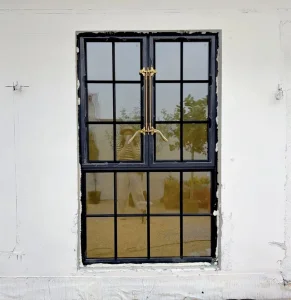
Structural components like the *Heavy Duty Aluminum Steel-Look Casement Window* utilize thick-walled profiles and mechanical corner joints to resist deflection under wind load. Integral thermal breaks help reduce the heat load on HVAC systems in buildings with large glass envelopes.
Additional engineering-grade systems designed for specialized commercial projects and modern residential layouts.
A roadmap for international builders, developers, and distributors managing supply chains.
For custom OEM/ODM architectural projects, standard aluminum profiles may not meet specific structural or aesthetic goals. ORM Windows offers an engineering process that starts with detailed CAD drafting and structural simulation.
Our engineering team evaluates wind loads, thermal barriers, and water tightness. Using precision 3D printing and quick-turn custom dies, we can produce functional prototypes for structural testing and client review before starting mass extrusion.
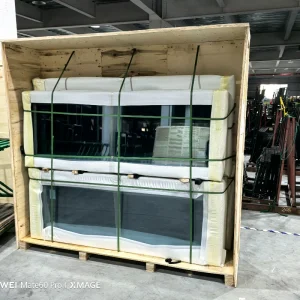
Sourcing building products from overseas factories requires careful logistics planning. We use specialized export packaging, including custom-built wooden crates and moisture-absorbing materials, to protect anodized profiles and insulated glass during transport.
Our location in Foshan, near the major ports of Guangzhou and Shenzhen, allows us to offer efficient shipping options. We support a range of delivery terms—including FOB, CIF, and DDP—to help simplify project management for our global clients.
Direct answers to technical questions commonly asked by structural engineers, builders, and procurement officers.
The difference lies in the thickness of the oxide layer. A Class I anodized finish has a minimum thickness of 18 microns (0.7 mil), making it highly resistant to salt spray, UV rays, and abrasion. It is recommended for exterior building components in coastal areas or harsh environments. A Class II anodized finish has a minimum thickness of 10 microns (0.4 mil) and is typically used for interior applications or exterior projects in mild climates.
Aluminum is a highly conductive metal, meaning heat can transfer through standard frames. A thermal break system inserts a non-conductive barrier—such as a PA66GF25 polyamide strip reinforced with glass fiber—between the interior and exterior aluminum profiles. This barrier interrupts the thermal path, reducing heat transfer and lowering the window's U-factor, which helps keep indoor temperatures stable.
For Australia, windows must be certified to AS2047, which includes testing for deflection, air infiltration, water penetration, and ultimate strength. For North America, compliance with the North American Fenestration Standard (NAFS/AAMA/WDMA/CSA 101/I.S.2/A440) is key. In hurricane-prone areas like Florida, products also require TAS 201, 202, and 203 certification to verify they can withstand high-velocity wind zones.
While 6061 alloy offers high tensile strength, it is harder to extrude into complex profiles and produces a less uniform anodized finish. The 6063 alloy offers a good balance of strength, ease of extrusion for complex shapes, and excellent surface response to anodizing. Tempering to T5 or T6 ensures the profiles meet the required structural load limits for window frames.
We use a dual-seal system. The primary seal is polyisobutylene (PIB), which acts as a barrier against moisture and gas migration. The secondary seal is structural silicone or polysulfide, which provides mechanical strength. We inspect the dew point of the spacer cavities during assembly and run routine gas fill checks to ensure long-term insulation performance.
 ORM Windows