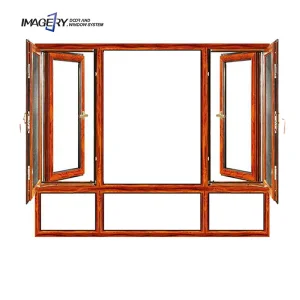
Precision-engineered solutions designed for residential villas, modern apartments, and commercial projects.
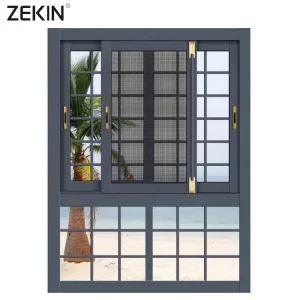
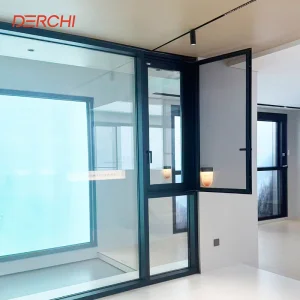
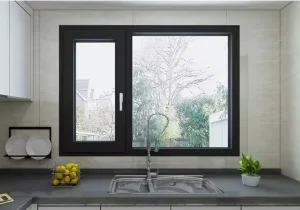
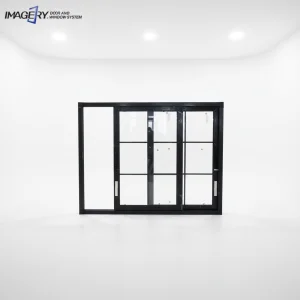
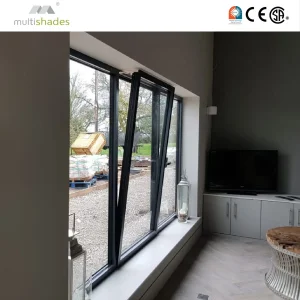
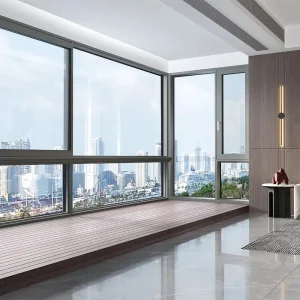
How modern architecture and dynamic energy compliance regulations are driving the evolution of premium aluminum sliding door and window systems worldwide.
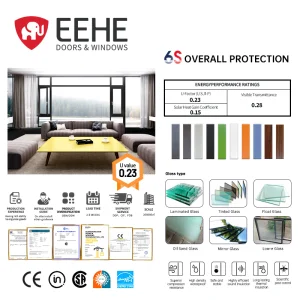
Global structural energy mandates, such as the EU’s Energy Performance of Buildings Directive (EPBD) and North American Energy Star updates, require glazed systems to minimize energy transfers. Modern aluminum sliding doors integrate polyamide thermal barriers (PA66 GF25) and triple-glazed Low-E profiles to hit stringent U-values below 1.4 W/m²K.
Modern high-end residential architectures prioritize continuous visual connections with outdoor environments. Structural designers choose slimline aluminum profiles with interlock stiles as narrow as 20mm. These maintain structural load capacities while yielding glass surface ratios of over 95%.
With the escalation of severe weather occurrences globally, demand has shifted toward hurricane-approved systems. Utilizing heavy-gauge T6-temper aluminum alloys, multi-point lock systems, and laminated impact-glass profiles protects structural envelopes in coastal and high-velocity wind zones.
Navigating specific regional regulations, performance standard requirements, and localized application demands for bulk window and door procurement.
Distributors and developers sourcing for North American configurations prioritize NFRC (National Fenestration Rating Council) ratings for U-factors, and compliance with local building codes, including Miami-Dade Florida high-velocity hurricane certifications (TAS 201/202/203) for impact ratings.
European developers require CE-marked windows and sliding doors matching strict CE EN 14351-1 standards. Precision multi-chamber thermal insulation systems, airtightness classes (EN 12207 Class 4), and high-water tightness limits (EN 12208 Class 9A) are vital structural configurations.
Architectural developers in Australia and New Zealand require testing under AS2047 standards. Custom-engineered configurations must withstand high structural wind-loads and water penetration resistance (typically exceeding 300Pa to 600Pa) for exposed coastal villa developments.
Exploring why Foshan remains the premier global epicentre of high-performance architectural glass and aluminum structural system manufacturing.
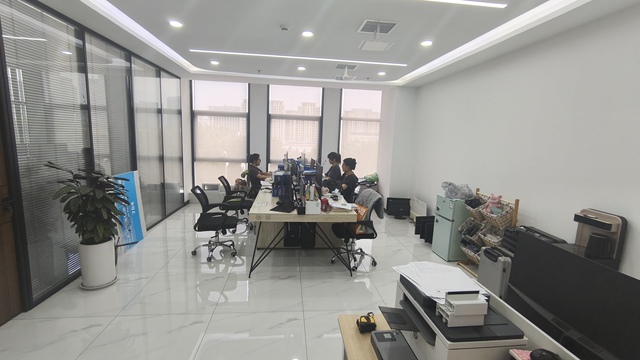
Foshan ORM Windows Co., Ltd. is a professional aluminum window manufacturer located in Foshan, Guangdong, China, one of the country's leading centers for architectural aluminum production and building materials manufacturing. Established in 2011, the company specializes in the design, engineering, manufacturing, and export of high-performance aluminum window systems for residential, commercial, and architectural projects worldwide.
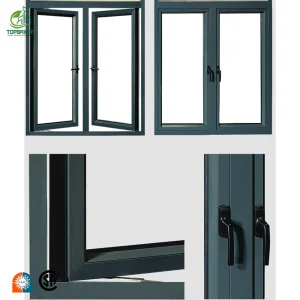
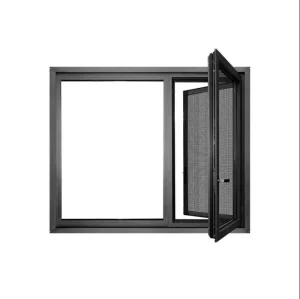
With a modern manufacturing facility covering more than 20,000 square meters and a team of over 280 skilled employees, ORM Windows is dedicated to providing reliable, energy-efficient, and aesthetically appealing window solutions. The company's product portfolio includes aluminum casement windows, sliding windows, awning windows, fixed windows, tilt-and-turn windows, thermal break window systems, double-glazed windows, and customized architectural window solutions designed to meet diverse building requirements.
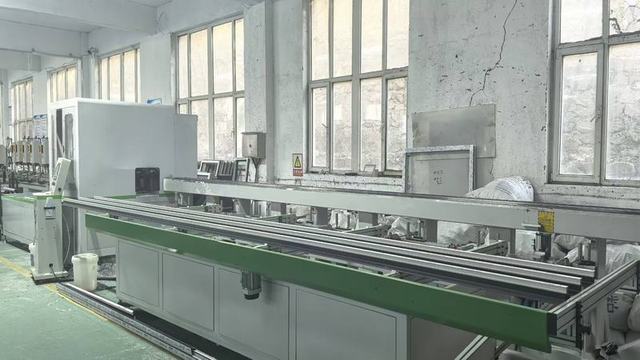
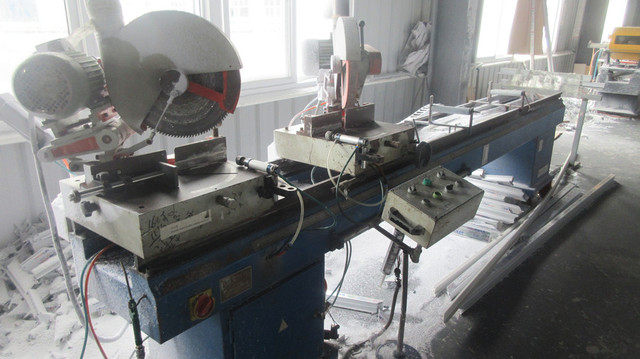
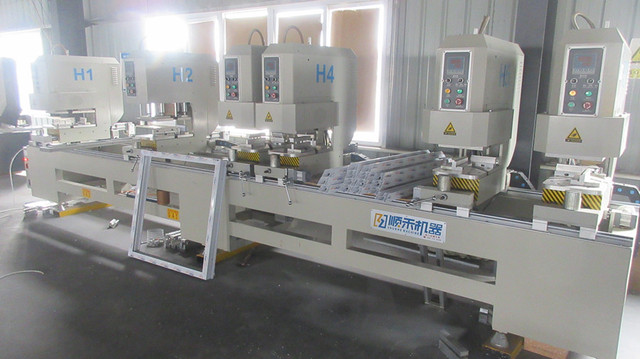
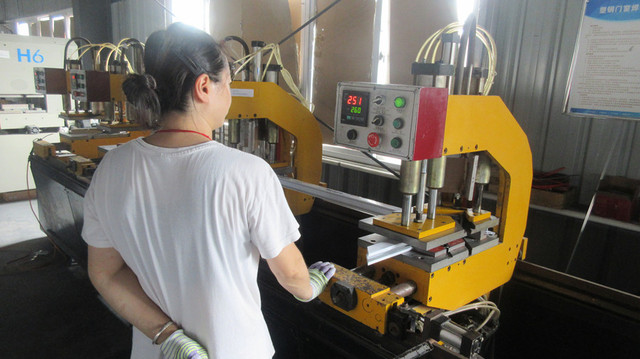
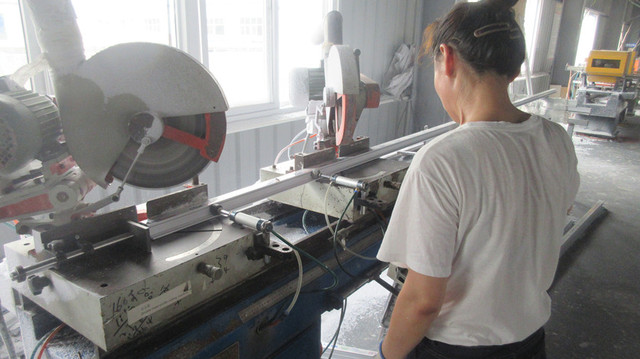
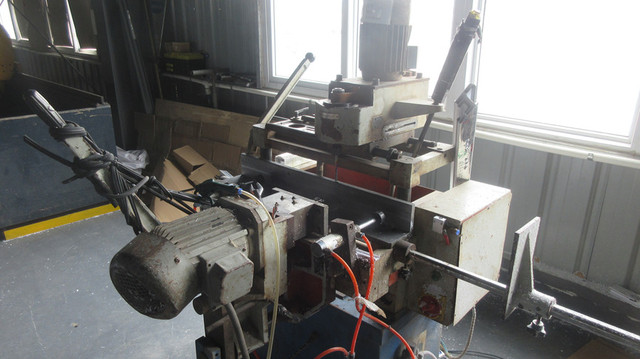
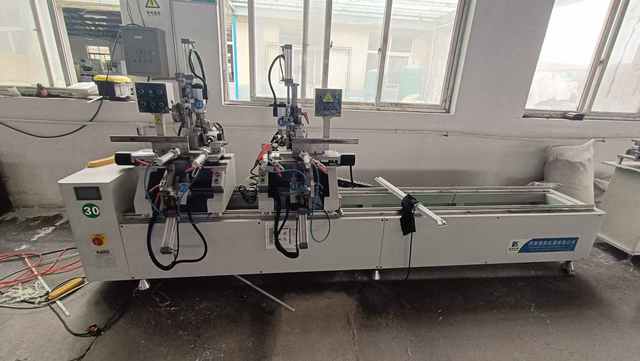
ORM Windows integrates advanced production equipment, precision fabrication technology, and strict quality management procedures throughout every stage of manufacturing. From aluminum profile processing and glass assembly to hardware installation and final inspection, every product is produced to ensure durability, weather resistance, thermal performance, and long-term reliability.
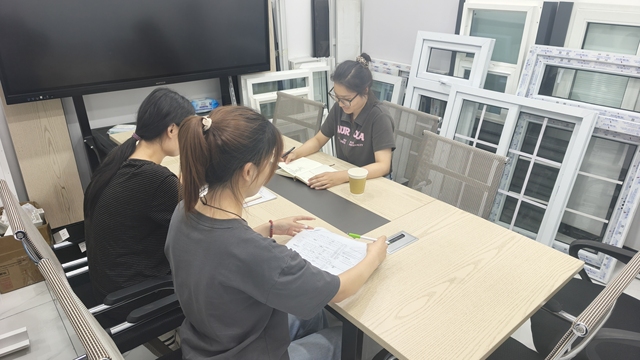
Supported by an experienced engineering and product development team, the company offers comprehensive OEM and ODM services, including customized dimensions, frame finishes, glazing options, hardware configurations, and private-label manufacturing. These flexible solutions enable builders, developers, distributors, and project contractors to meet specific market and project demands.
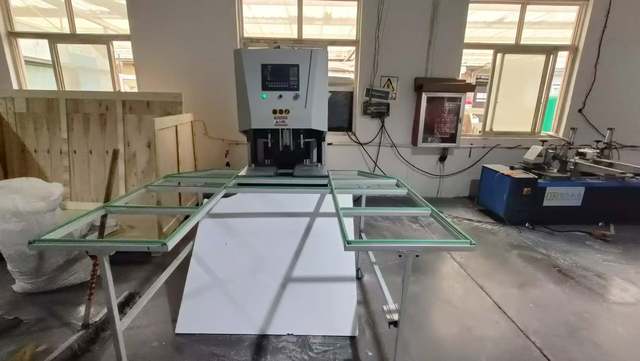
A detailed breakdown of key design configurations, structural ratings, and raw materials used in premium B2B custom configurations.
Extensively constructed from 6063-T5 or T6 grade structural aluminum. T5 offers standard flexibility and surface options, while T6 profiles provide high tensile yields suited for coastal wind loads and expansive architectural spans.
Available with architectural powder coatings (certified by Qualicoat), AkzoNobel fluorocarbon (PVDF) for aggressive marine and industrial UV exposures, and advanced deep-etch anodizing systems.
Double and triple-glazed systems configured with argon gas-filled spaces, warm-edge spacers, and Low-E thermal reflective coatings. Complies with ASTM, SGCC, and AS/NZS 2208 safety standards.
Addressing key technical challenges, engineering standards, shipping protocols, and manufacturing constraints encountered during commercial structural glazing procurement.
Comprehensive structural and custom configurations for global builders, developers, and trade distributors.
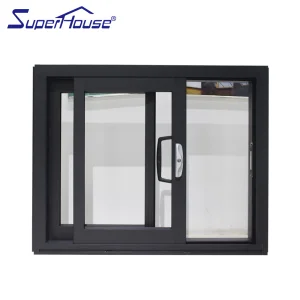
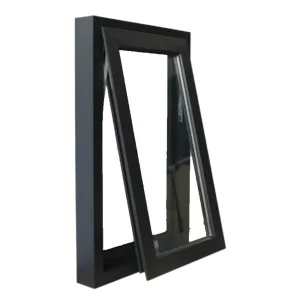
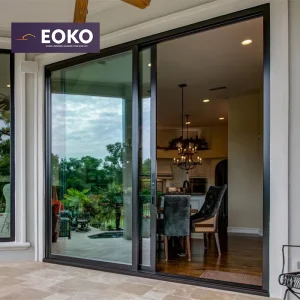
 ORM Windows