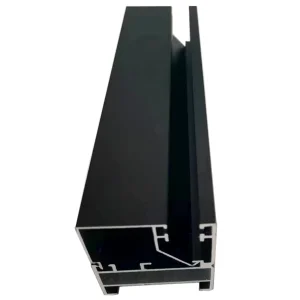
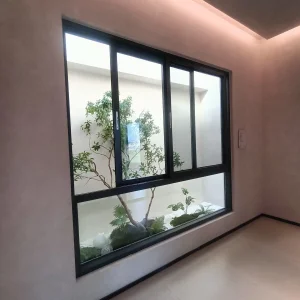
Explore our elite portfolio of high-performance architectural systems and components configured for extreme structural durability.
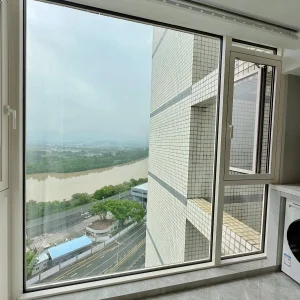
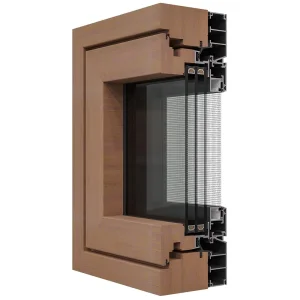
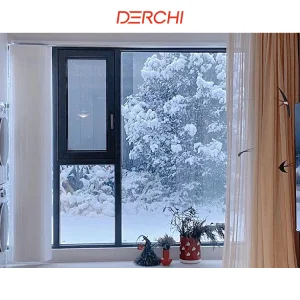
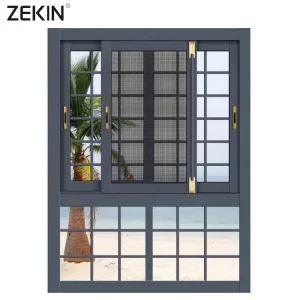
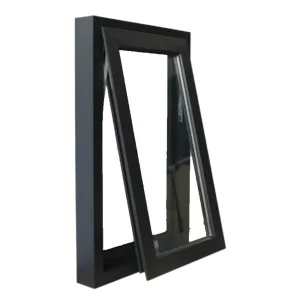
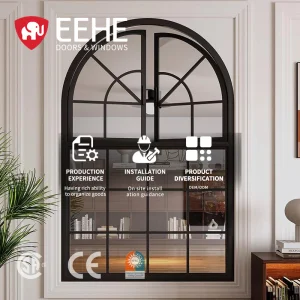
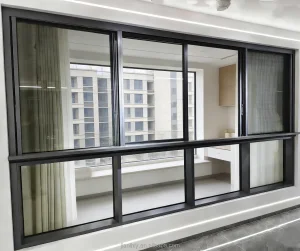
Sqm Production Base
Precision Engineering Experts
W/m·K Pure Thermal Efficiency
Global Industrial Compliance
In an era dominated by high-density electronic designs, electrification, and rapid computation, thermal management has transitioned from a supporting design consideration to a critical performance bottleneck. As silicon components shrink and power densities surge, the efficiency with which heat is evacuated determines system reliability, operational longevity, and safety.
Aluminum heat sinks serve as the primary defensive line in this thermal equation. Leveraging the high thermal conductivity of specialized aluminum alloys (typically Alloy 6063-T5 or Alloy 6061-T6 yielding up to 220 W/m·K), these engineered structures provide the requisite surface area multiplication needed to dissipate high heat flux. From cooling microprocessors in enterprise data centers to preventing thermal runaway in electric vehicle (EV) powertrains, custom extruded and machined aluminum profiles represent the gold standard of passive and active cooling mechanics.
Utilizing pure-grade 6000-series alloys that balance tensile strength with superior thermal transmission properties, optimizing path conductance.
Applying high-speed CNC milling and precision extrusion techniques to reach dimensional tolerances as tight as ±0.05mm for flat mating surfaces.
Anodizing coatings prevent surface oxidation, enhance surface emissivity, and protect structural components in highly corrosive operational environments.
Procuring industrial-grade thermal solutions at scale requires balancing material purity, manufacturing tolerances, supply chain agility, and unit economics. Foshan, located in the Guangdong province, stands as the global epicentre for high-performance architectural and industrial aluminum extrusion technology.
For international procurement departments, procurement logic must encompass:
By routing operations through an integrated facility capable of managing high-tonnage extrusion presses alongside multi-axis CNC machining centers, enterprise buyers eliminate multi-vendor friction, significantly compressing overall lead times.
Thermal loads vary significantly across sectors. A single uniform cooling geometry cannot adequately resolve the physical constraints imposed by differing structural layouts and convection mediums. Modern industrial systems deploy distinct heat sink structures based on spatial limitations and power density demands:
The most cost-effective and common solution. Utilizing heavy-duty extrusion dies, we press pre-heated aluminum billets through intricate matrix profiles to achieve high-ratio fin structures optimized for natural or forced convection.
Created using sharp knives that slice and bend fins directly from a solid block of aluminum. This eliminates thermal interface resistance between the base and the fins, permitting higher aspect ratios and denser configurations.
For ultra-high density setups (e.g., IGBT modules, EV drive units), embedded copper or stainless steel tube circuits within an aluminum base plate circulate coolant, transporting heat orders of magnitude faster than air.
The trajectory of cooling systems is closely linked to emerging paradigms in power electronics:
A core asset of a premier supplier is the versatility of its extrusion and fabrication capacity. Foshan ORM Windows Co., Ltd. demonstrates this industrial adaptability. Established in 2011, ORM Windows has constructed a modern manufacturing ecosystem that forms the base of their structural aluminum capabilities.
Original Factory Overview:
Foshan ORM Windows Co., Ltd. is a professional aluminum window manufacturer located in Foshan, Guangdong, China, one of the country's leading centers for architectural aluminum production and building materials manufacturing. Established in 2011, the company specializes in the design, engineering, manufacturing, and export of high-performance aluminum window systems for residential, commercial, and architectural projects worldwide.
With a modern manufacturing facility covering more than 20,000 square meters and a team of over 280 skilled employees, ORM Windows is dedicated to providing reliable, energy-efficient, and aesthetically appealing window solutions. The company's product portfolio includes aluminum casement windows, sliding windows, awning windows, fixed windows, tilt-and-turn windows, thermal break window systems, double-glazed windows, and customized architectural window solutions designed to meet diverse building requirements.
ORM Windows integrates advanced production equipment, precision fabrication technology, and strict quality management procedures throughout every stage of manufacturing. From aluminum profile processing and glass assembly to hardware installation and final inspection, every product is produced to ensure durability, weather resistance, thermal performance, and long-term reliability.
Supported by an experienced engineering and product development team, the company offers comprehensive OEM and ODM services, including customized dimensions, frame finishes, glazing options, hardware configurations, and private-label manufacturing. These flexible solutions enable builders, developers, distributors, and project contractors to meet specific market and project demands.
Serving customers across North America, Europe, the Middle East, Southeast Asia, Australia, and other international markets, Foshan ORM Windows Co., Ltd. has established a reputation for quality manufacturing, professional service, and dependable delivery. The company remains committed to providing innovative aluminum window solutions that enhance modern architecture while supporting sustainable and energy-efficient building development worldwide.
Leveraging the heavy-duty machinery required to fabricate large-scale structural frames, thermal break windows, and hurricane-resistant profiles, ORM utilizes its massive extrusion and metallurgy expertise to fulfill highly complex, bespoke industrial aluminum demands. The shared engineering core between architectural systems and industrial heat sinks lies in profile design, wall-thickness uniformity, and advanced anodizing, powder coating, and PVDF surface finishes.
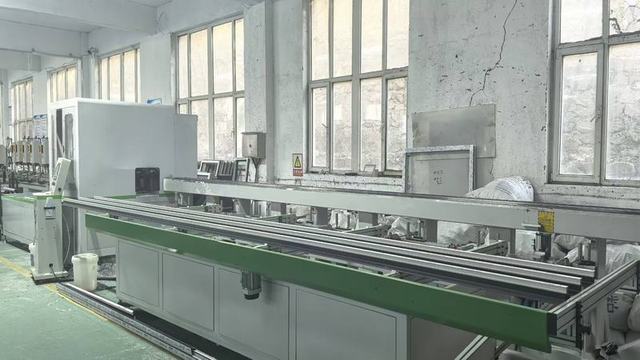
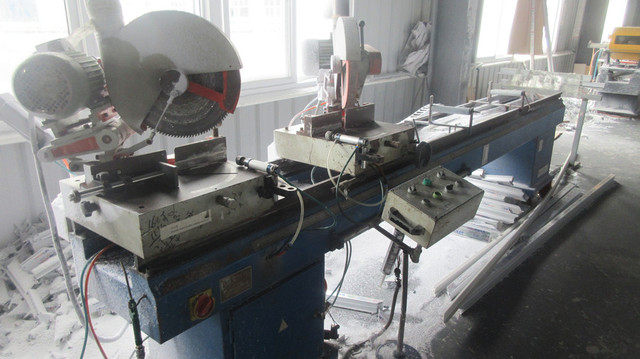
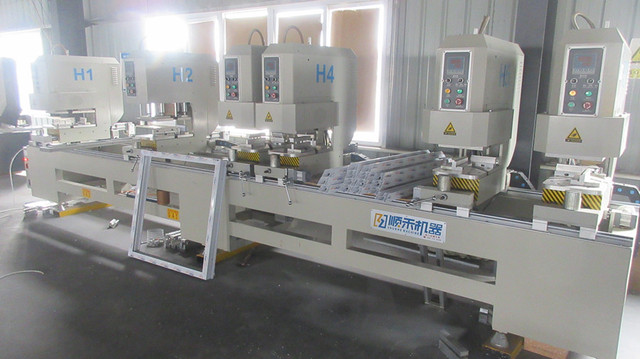
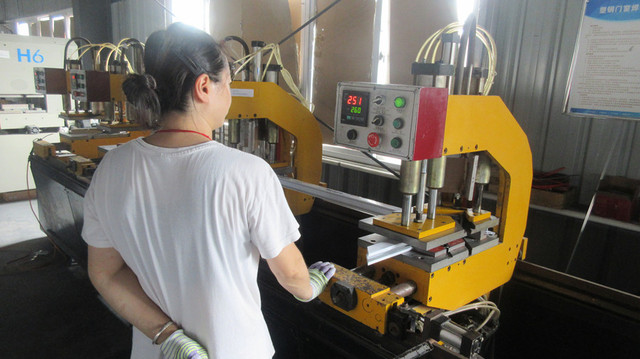
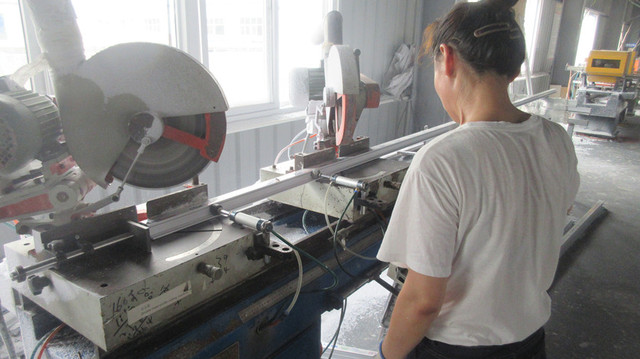
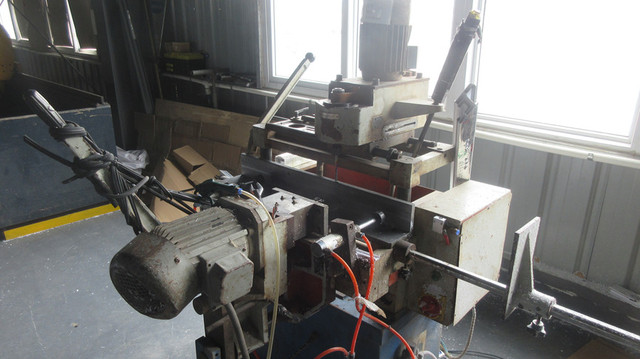
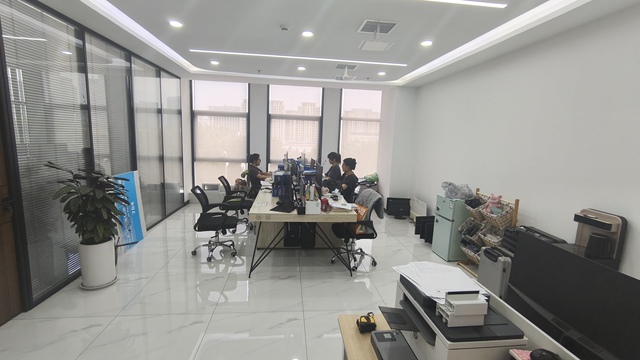
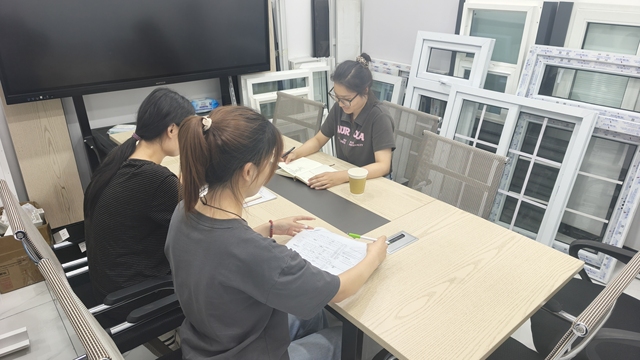
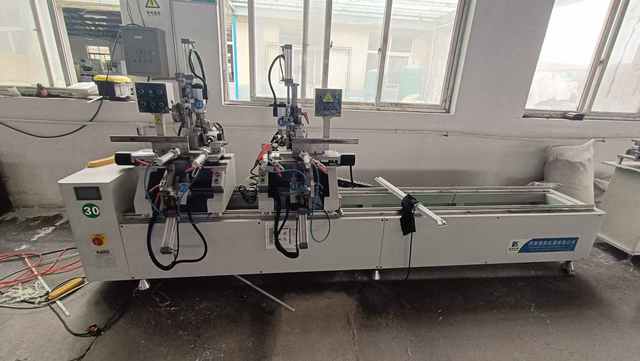
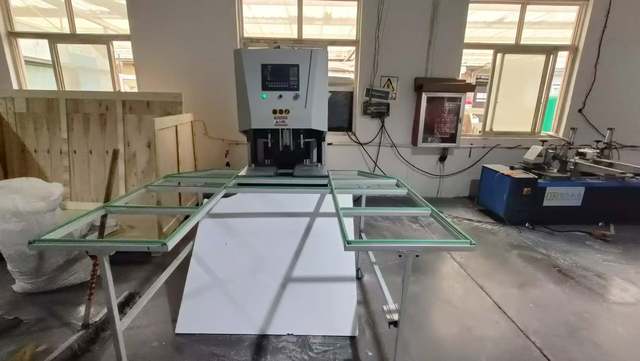
A transparent look at our advanced manufacturing lines, quality verification setups, and heavy machinery floors in Foshan:
Answers to complex engineering, metallurgical, and sourcing questions.
While 6061-T6 exhibits higher structural yield strength, 6063-T5 possesses superior thermal conductivity (~200-220 W/m·K compared to ~160-180 W/m·K for 6061). Furthermore, 6063 is significantly more extrudable, enabling engineers to design thinner fins, tighter spacing, and higher aspect ratios without overloading the extrusion tooling.
The extrusion ratio (the cross-sectional area of the billet chamber divided by the cross-sectional area of the extrusion die orifices) impacts press pressure limits. Aspect ratios (fin height divided by fin spacing) exceeding 8:1 to 10:1 require specialized, high-tonnage presses and slow speed control to prevent tool breakage and maintain straightness tolerances.
Anodization (clear or black) is the premier selection. Black anodizing not only provides electrical insulation and corrosion resistance but also slightly increases surface thermal emissivity in passive convection systems, leading to a 3% to 8% enhancement in radiant heat transfer.
Yes. Extruded structures are processed on multi-axis vertical CNC machining centers to execute critical secondary steps. This includes milling high-tolerance mounting flatnesses (≤0.05 mm), drilling, tapping, counterboring, and creating localized recesses for power electronic modules.
Every industrial run undergoes strict quality assurance protocols including spectrochemical analysis for composition confirmation, coordinate measuring machine (CMM) testing for profile tolerances, roughness testing for mating interface optimization, and ultrasonic crack detection on high-pressure modules.
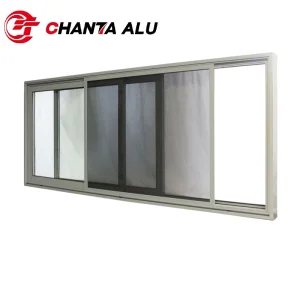
Engineered to withstand heavy structural stresses, high wind loads, and thermal isolation requirements.

 ORM Windows