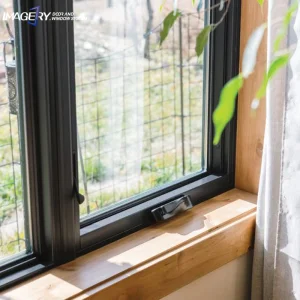
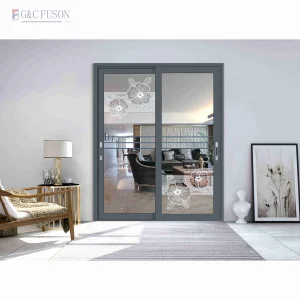
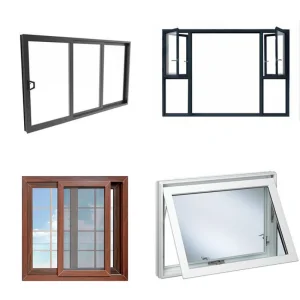
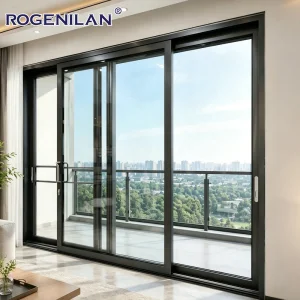
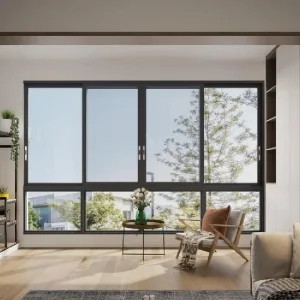
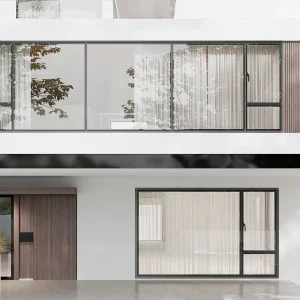
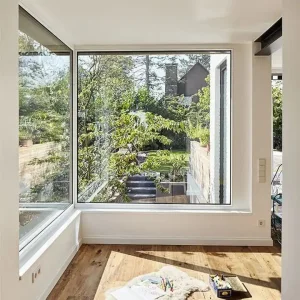
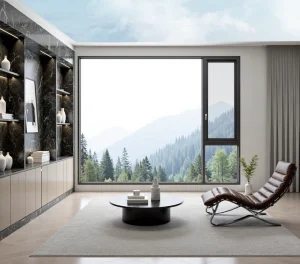
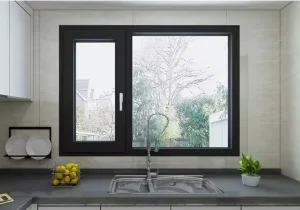
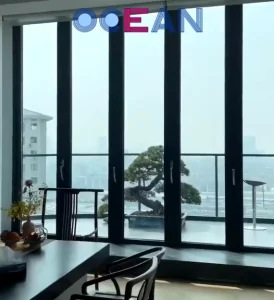
Explore our leading custom-engineered thermal-break and hurricane-proof structural window systems.
An Industrial Deep Dive into the Global Center of Architectural Extrusion Production.
Foshan ORM Windows Co., Ltd. stands as a premier architectural force located in Foshan, Guangdong, China. This region represents the epicenter of global building materials manufacturing, specifically renowned for advanced aluminum alloy development and high-precision extrusion technologies. Since its inception in 2011, ORM Windows has established an authoritative footprint in engineering, material design, fabrication, and global export of high-performance architectural systems.
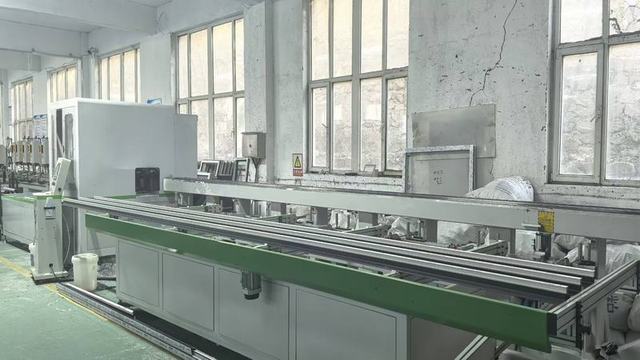
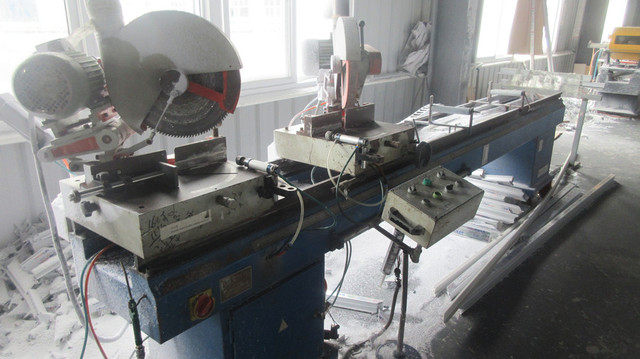
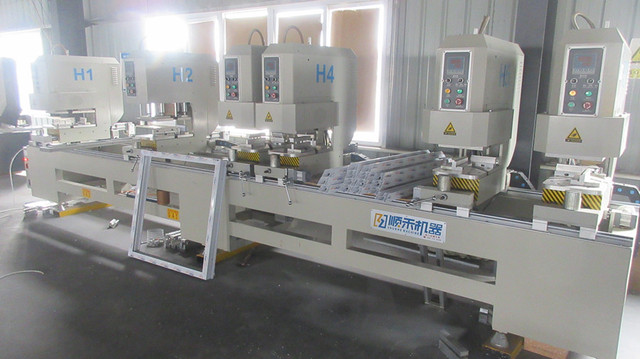
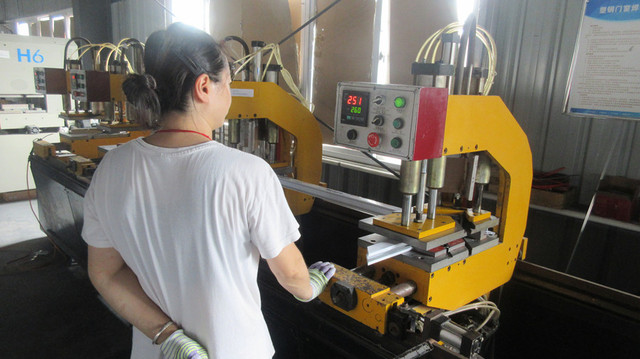
Our comprehensive production infrastructure spans over 20,000 square meters of state-of-the-art facilities, integrating automated extrusion lines, modern surface-treatment machinery, and high-precision CNC structural assembly plants. By focusing on multi-level product architectures—including thermally broken window systems, large fixed-glass panorama frames, multi-panel sliding configurations, and heavy-duty hurricane-resistant structures—we bridge the gap between high-aesthetic demands and rigorous mechanical constraints.
E-E-A-T Pillar: Every structural calculation and profile design undergoes rigorous finite element analysis (FEA) to ensure structural integrity, wind load resistance up to 5.0 kPa, and compliance with ASTM/AS2047 frameworks.
Global purchasing directors and real estate developers face complex compliance challenges when sourcing custom fenestration systems. Procurement in modern supply chains is no longer solely about per-ton material costs; instead, it is a multi-objective optimization problem involving logistical predictability, tariff navigation, structural reliability, and low carbon emissions.
We maintain dimensional tolerances tighter than the GB/T 5237 high-precision standard, typically matching European EN 755 guidelines. This guarantees leak-free architectural installations in multi-story configurations.
Strategically situated in Foshan with direct access to Shenzhen and Guangzhou deepwater ports, our logistics pipeline is engineered to mitigate container delays, providing real-time tracking and pre-cleared customs documentation.
Our raw aluminum inputs originate exclusively from primary A00-grade ingots. This ensures that structural elements do not contain unregulated scrap metals that compromise wind load limits or surface finish durability.
For international builders, the cost-benefit analysis of importing directly from a specialized factory like ORM Windows lies in our high level of vertical integration. Unlike standard brokers, we oversee structural profile engineering, precision milling, double-glazed glass fabrication, EPDM seal insertion, and hardware integration in a unified environment. This ensures uniform quality and significantly reduces procurement lead times.
Modern architecture demands larger glazed areas, slimmer sightlines, and superior thermal efficiency. The physics of window systems require high structural resistance to counter localized wind pressures, wind-driven rain penetration, and thermal bridges.
| System Type | Applicable Environment | Core Performance Metric | Compliance Reference |
|---|---|---|---|
| Thermal Break Casement Systems | Extreme Cold & Variable Climates | U-value ≤ 1.6 W/(m²·K) | EN ISO 10077-1 |
| Hurricane-Proof Sliding Doors | Coastal & Typhoon-prone Zones | Wind Load Performance ≥ 4.5 kPa | ASTM E1886 / E1996 |
| Acoustic Double-Glazed Units | Urban Commercial Developments | Sound Attenuation (Rw) ≥ 40 dB | ISO 140-3 |
| Airtight Architectural Awning Systems | High-rise Residential Facades | Air Permeability Class 4 | ASTM E283 |
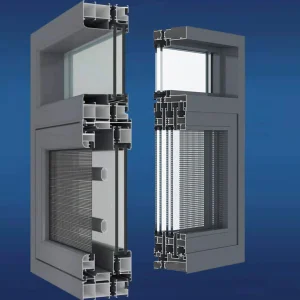
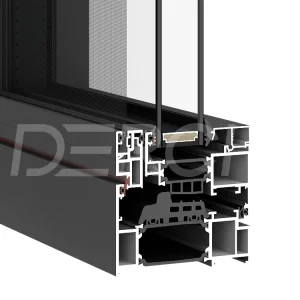
Our engineered solutions resolve thermal transfer issues via multi-chamber polyamide (PA66-GF25) thermal barriers. These structural glass-fiber-reinforced polymer strips break the high conductivity path of aluminum frames. As a result, commercial and residential projects achieve lower HVAC energy consumption, contributing to LEED, BREEAM, and passive house certifications.
The performance of any architectural window system depends directly on material science. ORM Windows utilizes specialized processing pathways for 6063-T5 and 6063-T6 aluminum alloys, optimizing key elements such as silicon and magnesium to ensure high structural stability and surface finish quality.
Our metallurgical process incorporates advanced billet homogenization before extrusion. This minimizes grain boundaries and controls microstructural phase distribution, ensuring the profile maintains high yield strength, excellent tensile properties, and uniform response to anodized finishes or PVDF coatings.
Ensuring ultra-low hydrogen levels inside the primary aluminum billet prevents internal micro-voids, guaranteeing reliable performance during heavy structural forming operations.
We apply high-durability fluorocarbon (PVDF) and architectural powder coatings that resist UV exposure, color fading, and salt spray damage in coastal zones.
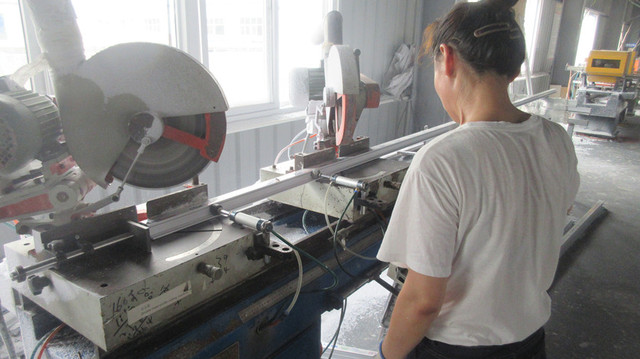
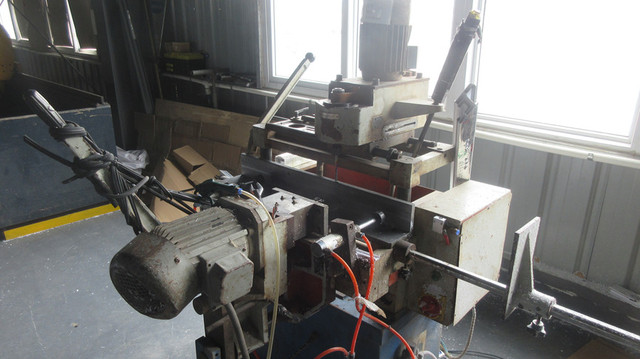
Integrated CNC machining centers execute lock setups, drainage slots, and corner connections with 0.1mm accuracy, eliminating manual error and securing long-term airtightness.
Looking toward the future, our engineering roadmap prioritizes smart fenestration technologies. We are integrating micro-ventilation channels, IoT-enabled automated locking hardware, and high-performance vacuum insulated glass (VIG) units. These innovations allow projects to meet stringent carbon-neutral standards without compromising on light transmission or structural durability.
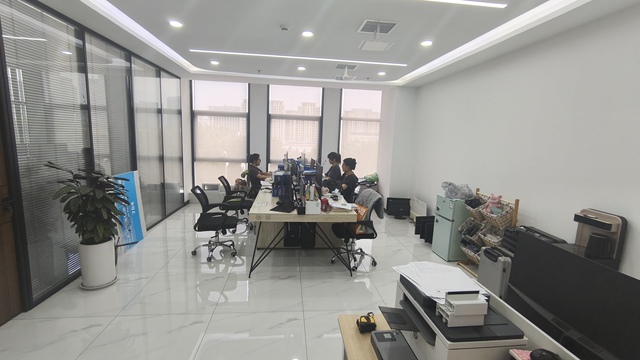
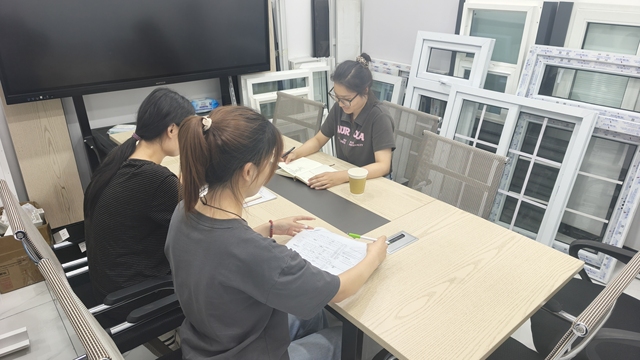
A transparent look at our advanced manufacturing plants, raw material warehouses, quality testing processes, and shipping preparation.
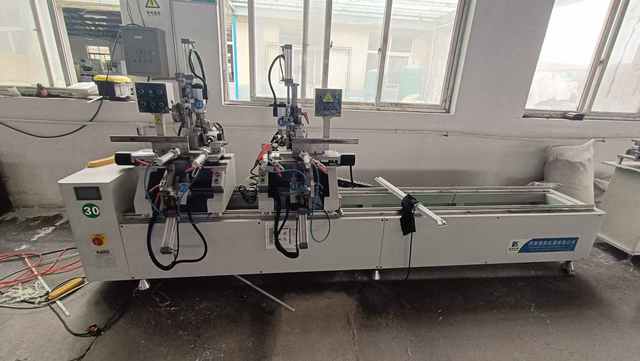
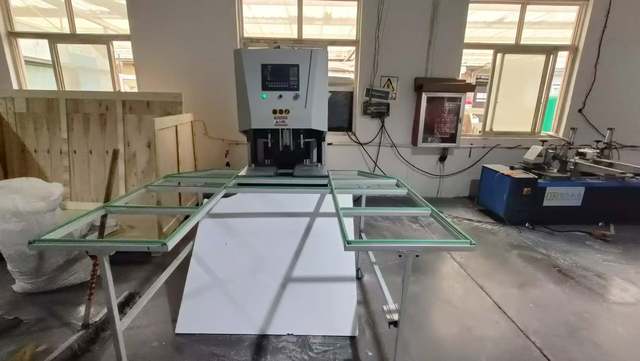
Exporting to markets with high compliance demands, such as the EU, North America, and Australia, requires adherence to local construction regulations. Products exported without verified compliance testing run the risk of failing structural building inspections or delaying project closeouts.
At ORM Windows, we address this through a rigorous compliance testing program:
By cooperating with internationally recognized testing agencies (such as Intertek and SGS), we provide builders with verified, project-specific test reports. This supports smooth approvals from local building authorities and simplifies the engineering sign-off process.
Clear, direct technical answers addressing structural engineering, thermal performance, and global sourcing logic.
6063-T5 profiles are air-cooled directly from the extrusion press and artificially aged, balancing mechanical workability with reliable strength. 6063-T6 profiles undergo a more intensive solution heat treatment and water quenching, yielding higher tensile strength and yield stress. T6 is typically used in heavy-duty commercial curtain walls, structural sliding doors, and high-rise facades that require high wind load resistance.
Aluminum has high thermal conductivity. Uninsulated profiles transfer heat rapidly, leading to energy loss and interior condensation in cold climates. Integrating a low-conductivity polyamide barrier (PA66-GF25) inside the profile creates a structural thermal break. This isolates the exterior and interior sections of the frame, reducing U-values and keeping interior surface temperatures above the dew point.
For coastal installations, PVDF (polyvinylidene fluoride) coatings and marine-grade anodizing are recommended. PVDF coatings resist salt-spray corrosion, chemical degradation, and UV fade. Our coatings meet AAMA 2605 standards, providing reliable weatherability and finish retention for multi-story residential and commercial developments.
We use computer-aided design, finite element analysis (FEA), and physical prototype testing. Production samples undergo structural deflection, air permeability, and water penetration tests under simulated wind pressures in our quality control facilities. This ensures the structural performance matches the requirements of target export markets before full production begins.
Heavy-duty, high-insulation sliding windows, architectural folding configurations, and specialized impact structures.
 ORM Windows