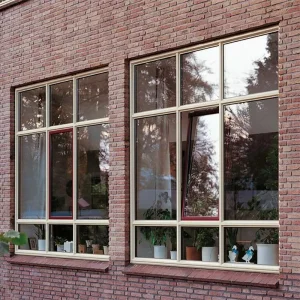
Explore our architectural-grade product catalog, engineered to optimize spatial efficiency, structural integrity, and thermal performance across diverse commercial and residential applications.
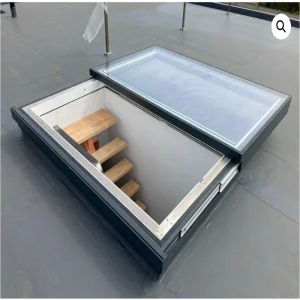
Foshan ORM Windows Co., Ltd. is a professional aluminum window and door manufacturer located in Foshan, Guangdong, China—one of the country's leading centers for architectural aluminum production and building materials manufacturing. Established in 2011, the company specializes in the design, engineering, manufacturing, and export of high-performance aluminum systems for residential, commercial, and architectural projects worldwide.
With a modern manufacturing facility covering more than 20,000 square meters and a team of over 280 skilled employees, ORM Windows is dedicated to providing reliable, energy-efficient, and aesthetically appealing structural solutions. The company's product portfolio includes aluminum casement windows, sliding systems, awning units, fixed architectural panels, tilt-and-turn configurations, thermal break window systems, double-glazed packages, and customized architectural window solutions designed to meet diverse global building requirements.
ORM Windows integrates advanced production equipment, precision fabrication technology, and strict quality management procedures throughout every stage of manufacturing. From aluminum profile processing and glass assembly to hardware installation and final inspection, every product is produced to ensure durability, weather resistance, thermal performance, and long-term reliability.
"By leveraging local Foshan raw material economies and precision extrusion processing, ORM Windows delivers top-tier structural solutions conforming to global building code compliance."
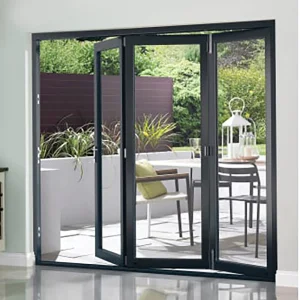
Architectural bi-fold doors are complex structural installations subject to continuous mechanical stress, wind load deflection, and temperature differentials. Designing high-performance folding door systems requires deep integration of material science, mechanical engineering, and thermal physics. Below, we break down the core elements that separate architectural-grade aluminum bi-fold doors from standard residential products.
We utilize prime 6063-T5/T6 structural aluminum profiles. T6 temper profiles provide superior tensile strength and yield stress limits, essential for wide span openings where deflection resistance is critical.
Integrating glass-fiber reinforced Polyamide Thermal Barriers (PA66-GF25) breaks the thermal bridge. This significantly reduces heat transmission, lowering U-factors to comply with strict Energy Star and European standards.
Our bottom-rolling carrier systems use SUS304/SUS316 stainless steel rollers paired with sealed ball bearings. Engineered to support loads of up to 150 kg per panel, they ensure smooth operation over 100,000 cycles.
Information Gain Note: Deflection calculations (L/175 according to ASTM standards) dictate that a bi-fold door profile's moment of inertia must withstand localized wind loads without compromising sealing gaskets. ORM Windows utilizes multi-cavity profile geometries that increase torsional resistance by 35% compared to standard generic designs.
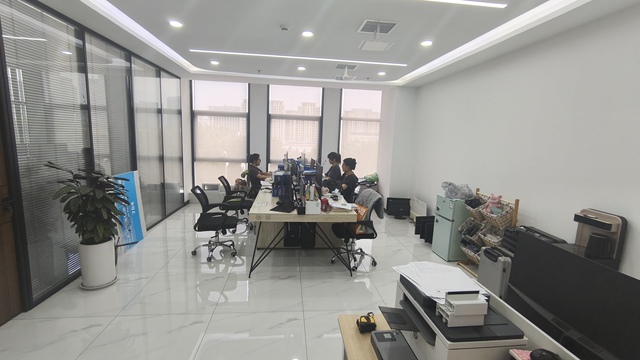
ORM Windows' manufacturing footprint in Foshan, Guangdong leverages a hyper-integrated industrial cluster. Our facility uses advanced production equipment, precision fabrication technology, and strict quality management procedures throughout every stage of manufacturing.
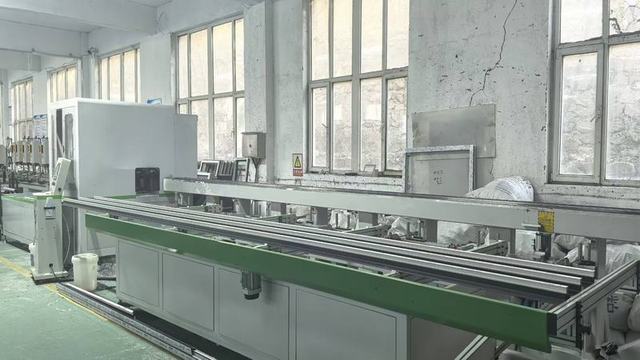
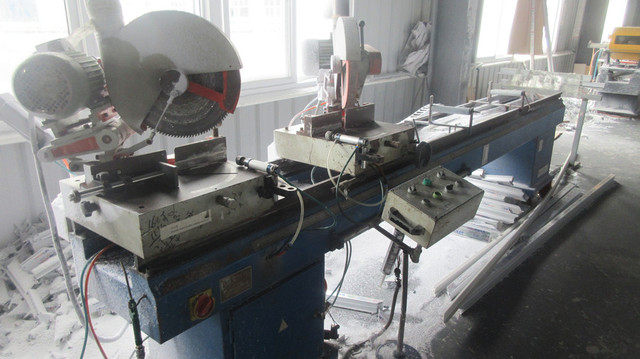
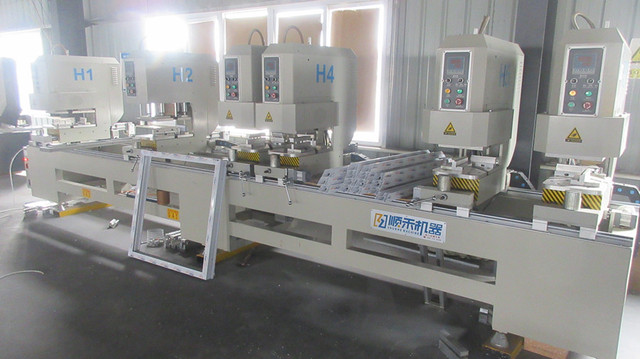
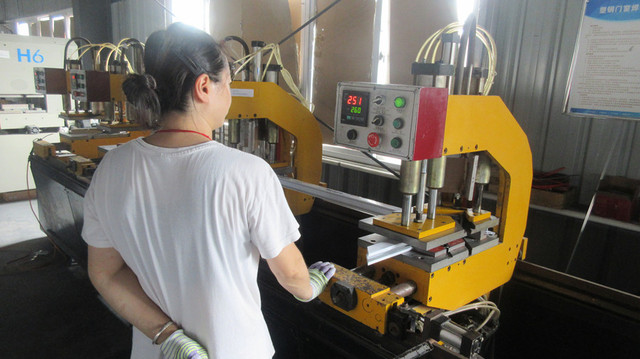
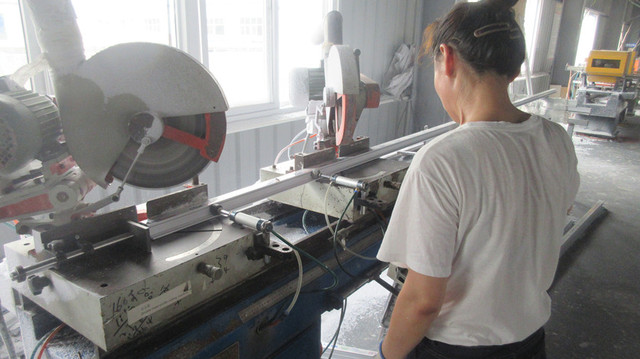
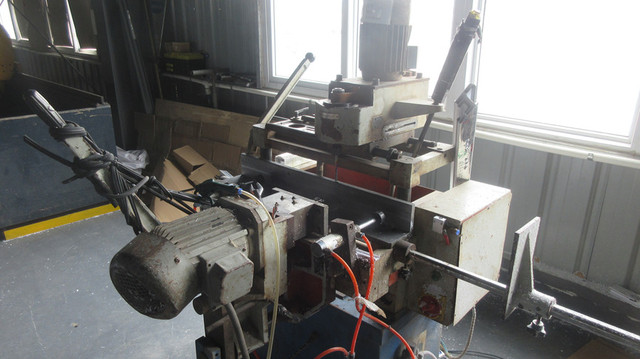
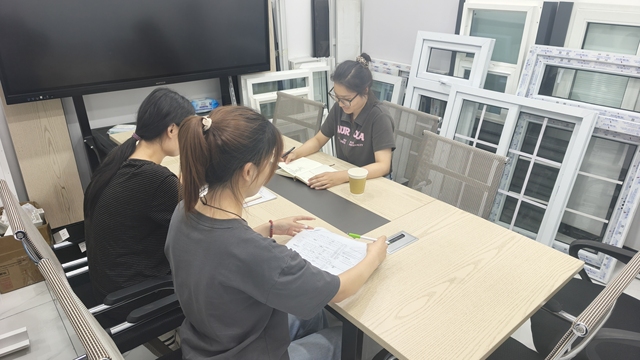
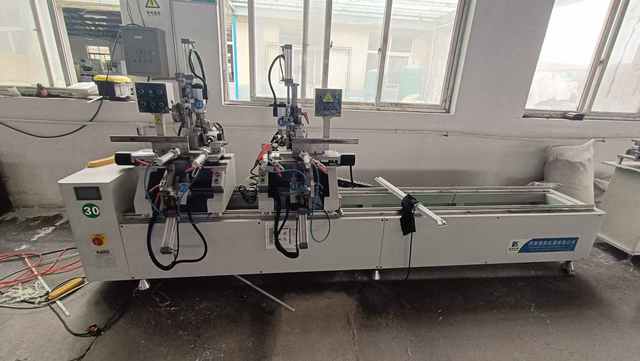
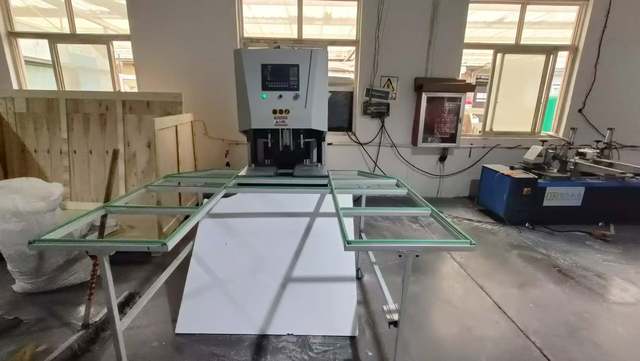
By automating key steps of extrusion processing, glass assembly, and hardware installation, we minimize human-error variances. CNC double-head cutting saws ensure angle deviations are kept under 0.2mm, achieving excellent air and water tightness once structural panels are assembled on site.
Furthermore, our integrated supply chain enables comprehensive OEM and ODM services. From customized profile wall thicknesses to custom powder coat textures and integrated smart sensors, we offer developers, architects, and trade suppliers a single point of manufacture with high efficiency.
Different real estate typologies and geographic regions demand specific performance profiles. Global commercial developers require wind and thermal engineering calculations that align with local building codes. ORM Windows designs tailored system specifications for various building categories:
| Typology / Application | Key Environmental Requirements | Profile & Hardware Solution | Glazing Specification |
|---|---|---|---|
| Commercial Storefronts & Cafes | Frequent cycling, structural durability, safety lock integration. | Heavy-duty bottom-glide track, reinforced corners, multi-point lock. | 6mm + 12Argon + 6mm Tempered Glass |
| Luxury Residential Patios | High acoustic insulation, slim profiles, aesthetics. | Ultra-slim sightline thermal break system (PA66-GF25). | 5mm Low-E + 16Ar + 5mm Tempered Glass |
| Coastal & Hurricane-Prone Regions | Extreme wind-load capacity, corrosion resistance (Class 4). | 2.5mm profile thickness, double structural interlocks, SUS316 hardware. | 6mm Tempered + 1.52 PVB + 6mm Laminated Impact Glass |
| Cold Climate Zones | Minimized thermal bridging, low U-factors. | Multi-cavity profile with continuous double-gasket thermal barriers. | Triple Glazing: 5mm Low-E + 12Ar + 5+ 12Ar + 5mm Low-E |
We work closely with structural engineering consultants, providing CAD drafting, BIM modeling, and performance calculations (U-factor, SHGC, STC, and structural wind resistance) early in the procurement phase. This collaborative design process avoids installation complications and field inspection failures.
Exporting fenestration systems globally requires compliance with regional building codes and safety regulations. ORM Windows addresses these demands by engineering systems tested and verified to meet international standards:
We manufacture systems conforming to AS2047 and AS1288. Our products undergo rigorous water penetration, structural deflection, and air infiltration testing in accredited laboratories.
For US and Canadian markets, our thermal break profiles are designed to meet NFRC thermal performance goals. Our impact-rated bi-fold lines are engineered to withstand structural wind loads in high-velocity hurricane zones (HVHZ).
All structural components and performance indicators—such as load-bearing capacity of safety devices, acoustic ratings, and thermal transmittance values—are fully documented to comply with the CE directive.
The global architectural landscape is shifting toward decarbonization, building automation, and high-performance facades. To support these developments, ORM Windows' engineering division is actively pursuing several key technological paths:
Modern design favors minimal visible profiles. We are developing high-tensile structural alloy formulations that allow for interlock profiles under 50mm while retaining the structural load capacity needed for large glass panes.
By replacing traditional dual-pane IGUs with VIG panels, we can reduce overall sash weight by up to 40% while achieving center-of-glass thermal performance comparable to solid insulated walls (U-factors below 0.6 W/m²K).
Our upcoming bi-fold configurations feature integrated, concealed 24V DC brushless motorization systems. These can be integrated with building management systems (BMS) for automatic climate control, natural ventilation, and smart security monitoring.
Key Development Milestones
Get answers to common technical, engineering, and logistic questions regarding the procurement of aluminum bi-fold doors from China.
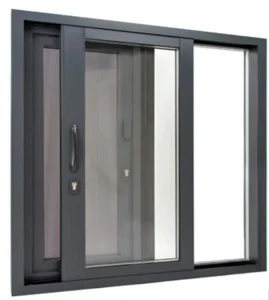
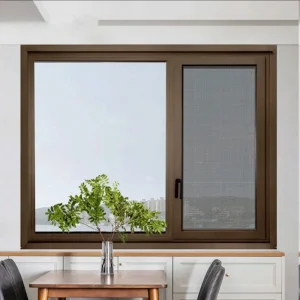
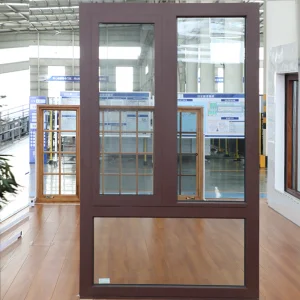
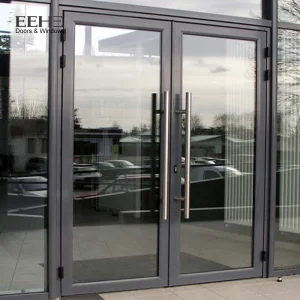
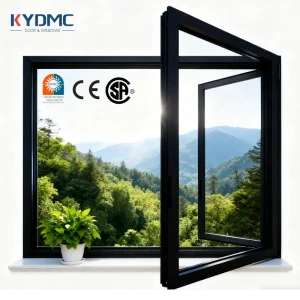
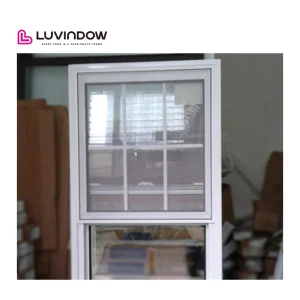
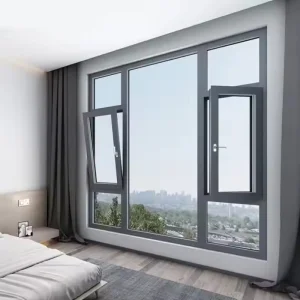
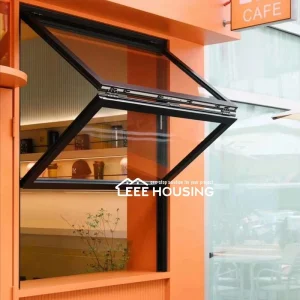
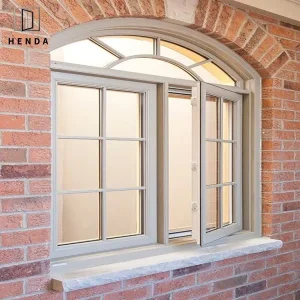
Review our specialized architectural window designs, engineered to complement high-performance folding systems and meet demanding design and performance specifications.
 ORM Windows