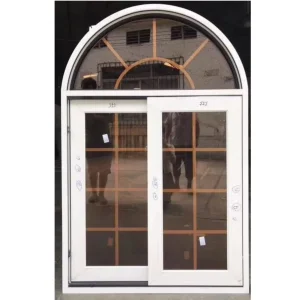
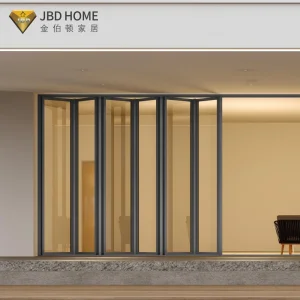
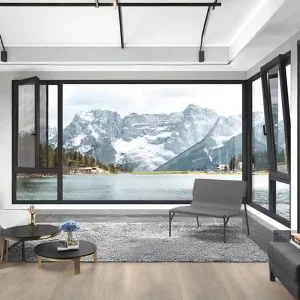
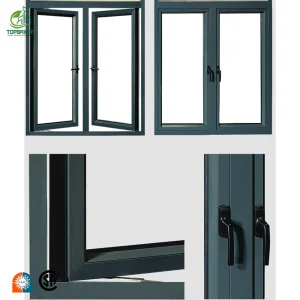
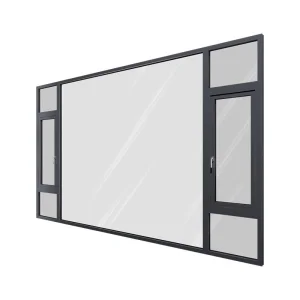
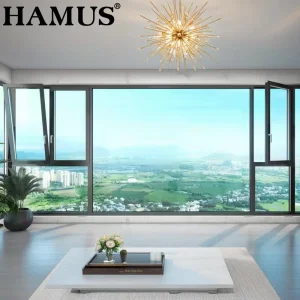
Explore our certified high-performance window framing and heavy-duty structural aluminum pull systems engineered for ultimate architectural resilience.
Navigating structural specification, material compliance, and supply system optimization for international commercial builds.
In contemporary structural engineering and facade architecture, the demand for high-strength, lightweight, and thermally efficient architectural aluminum sections has surged. Global developers, structural consultants, and commercial procurement departments face the challenging task of sourcing CE Certified Aluminum Pulls, Profiles, and Framed Openings that possess certified structural performance metrics while maintaining strict cost-to-performance ratios.
Procuring raw materials for high-wear components like integrated architectural handles, mechanical profile pulls, and window frames requires precise metallurgical controls. Our profiles utilize high-grade 6063-T5/T6 and 6060-T66 aluminum alloys, delivering exceptional yield strength (≥ 160 MPa) and tensile strength (≥ 215 MPa). By maintaining strict limits on silicon, iron, and magnesium additions, we ensure maximum anodizing clarity and finish consistency, eliminating post-extrusion structural failure points.
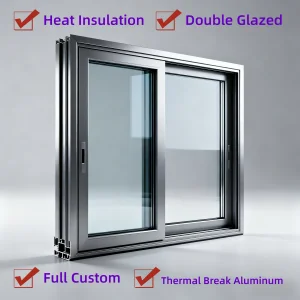
Modern building codes, including the European Union's Energy Performance of Buildings Directive (EPBD) and ASHRAE Standard 90.1, enforce rigorous envelope performance requirements. Architectural aluminum systems must incorporate advanced polyamide thermal barrier strips (such as PA66-GF25 reinforced with glass fiber) to interrupt thermal pathways. ORM Windows utilizes multi-cavity thermal break designs to lower structural U-factors to below 1.4 W/m²K, significantly reducing heating and cooling loads.
For high-rise residential complexes and coastal developments, frame deflection under extreme wind loads is a key engineering risk. Aluminum structures must exhibit high moments of inertia. By combining structural alloy engineering with precision frame geometry, our systems pass wind load tests of up to Class C5/P3 (according to EN 12210), ensuring minimal deflection and no structural glass breakage under severe wind-pressure cycles.
A comprehensive examination of mechanical attributes, surface coatings, and performance classifications for architectural profiles.
When specifying CE-marked aluminum hardware and profile extrusions, engineers must cross-reference mechanical parameters against localized standards. To simplify structural compliance checks, we present a standardized reference matrix of the ORM production program:
| Engineering Property | Standard Designation | Performance Range / Target Metrics | Compliance Verification |
|---|---|---|---|
| Alloy Composition | EN AW-6063 / T5 & T6 | Si: 0.20-0.6%, Mg: 0.45-0.9%, Fe: ≤ 0.35% | Spectrometry Ladle Analysis |
| Yield Strength (R_p0.2) | EN 755-2 | ≥ 160 MPa (T5) | ≥ 190 MPa (T6) | Tensile Testing Machine (Universal) |
| Ultimate Tensile (R_m) | EN 755-2 | ≥ 215 MPa (T5) | ≥ 230 MPa (T6) | Destructive Elastic Limit Verification |
| Anodizing Coating Depth | EN ISO 2360 (Qualanod) | Class 15 (≥ 15μm) | Class 20 (≥ 20μm) | Eddy Current Coating Thickness Meter |
| Powder Coating Adhesion | EN ISO 2409 (Qualicoat) | Class 1 & Class 2 options (Cross-Cut Class 0) | Impact Deformation & Cross-cut Tape Adhesion |
| Air Permeability | EN 12207 | Class 4 (Highest Rating for low leakage) | Differential Air Pressure Chambers |
| Water Tightness | EN 12208 | Class 9A / E900 (Resists driving rain at 900 Pa) | Water Spray Nozzle Matrix Testing |
The microstructure of aluminum profile extrusions determines their stress-corrosion cracking resistance and durability. Our casting operations implement online degassing and grain-refinement filtration. We strictly limit copper and manganese impurities to prevent galvanic corrosion at joint interfaces when profiles interface with stainless steel hardware or fastening brackets.
For coastal regions or heavy chemical environments, raw aluminum oxidizes rapidly. We offer advanced surface treatments certified to international quality standards:
Operating a modernized, digitally-controlled 20,000 m² production complex in Foshan, Guangdong.
Foshan ORM Windows Co., Ltd., established in 2011, operates from Foshan, Guangdong, the world's leading industrial cluster for architectural aluminum extrusions. This prime location grants us direct access to top-tier primary alloy smelters, advanced die makers, and leading global hardware manufacturers. This concentrated supply chain lowers logistical friction, expedites tooling fabrication, and ensures predictable raw material lead times.
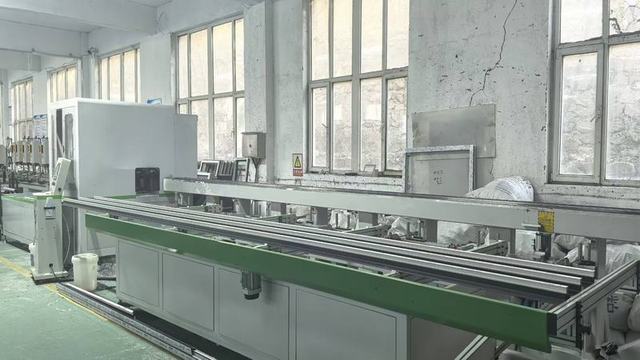
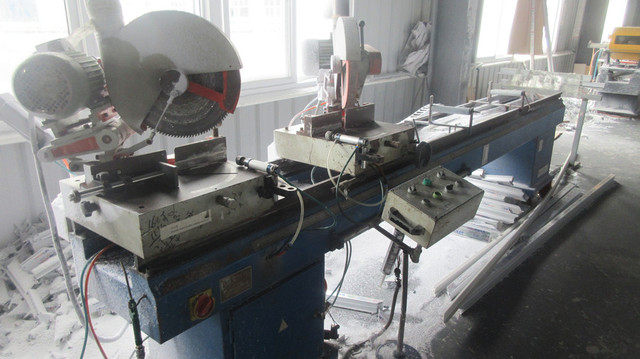
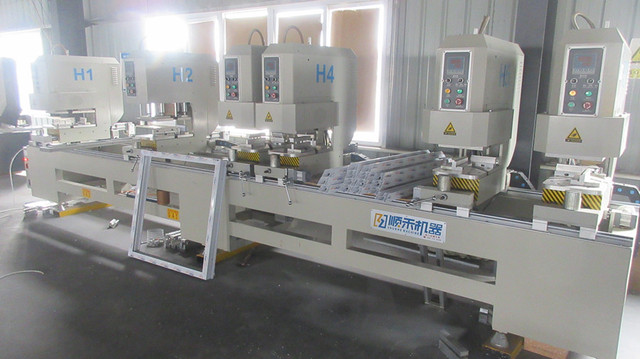
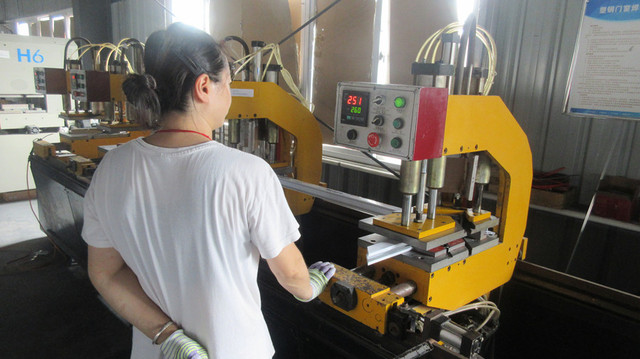
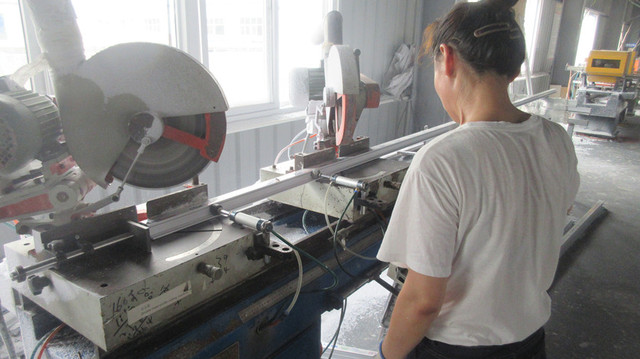
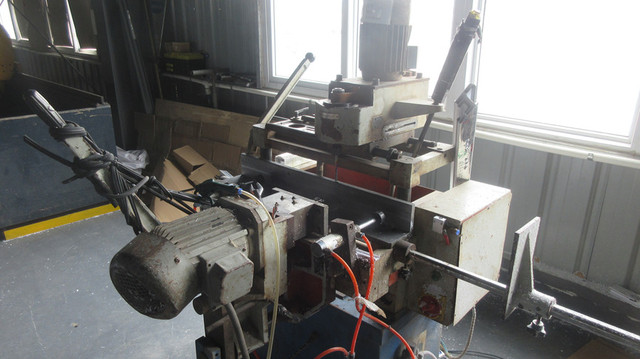
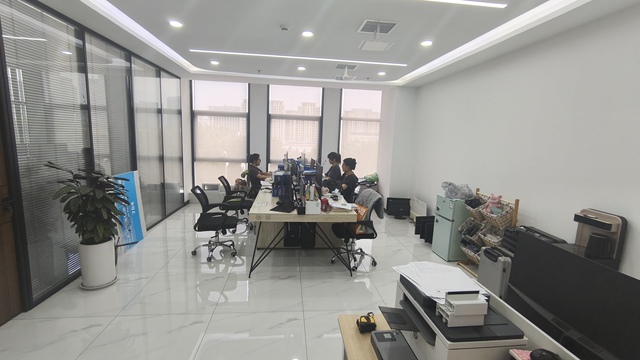
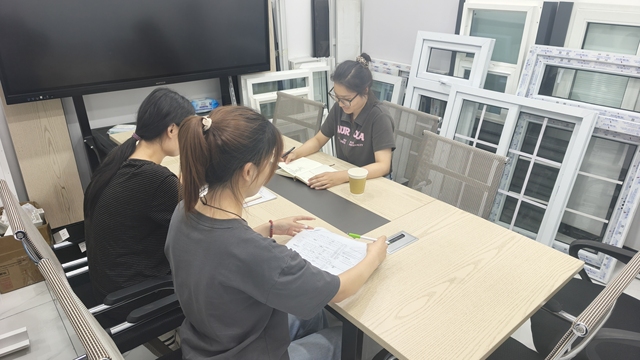
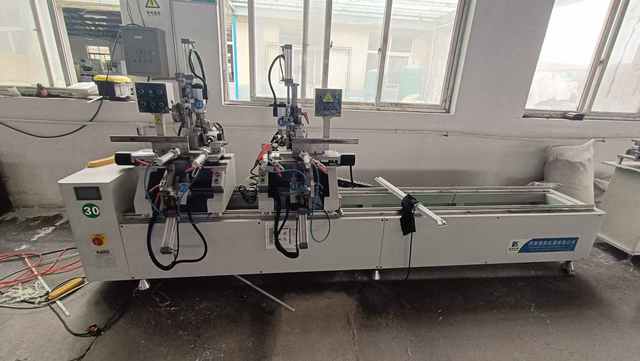
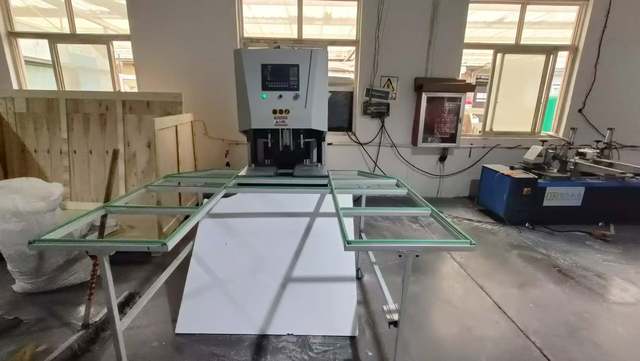
Our manufacturing plant features automated CNC milling lines, continuous thermal break assembly lines, and high-performance glass washing and pressing machines. This automated setup reduces manual handling, lowering fabrication tolerances to ±0.5mm. With over 280 skilled personnel, we maintain complete control over raw material feeding, profile extrusion, structural heat treatment, precision fabrication, glass installation, hardware fitting, and final inspection.
Our engineering team develops tailormade solutions based on dynamic architectural drafts. We support:
Tailored structural configurations designed to meet specific regulatory, geographical, and functional requirements.
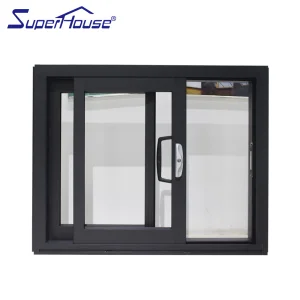
Engineered to withstand intense structural loads and wind forces, our commercial curtain wall elements, heavy-duty sliding panels, and framing systems feature reinforced structural depths. This allows them to handle large spans of thick, double-glazed insulated units without compromising structural safety.
For low-energy and Passive House projects, we offer multi-chamber, thermal-break designs containing wide polyamide insulation zones. These profiles minimize thermal bridging, helping projects meet tight local building regulations and qualify for green building certifications.
Our structures feature reinforced corner joints, structural silicone glaze bonding, and high-tensile hardware pulls. These elements are designed to meet impact standards like the Florida Miami-Dade building codes, keeping the envelope secure during extreme seismic movements or high-velocity hurricane events.
Designed for developments near airports, highways, or busy urban centers, our acoustic-rated window configurations combine dense double-glazed systems with multi-point gasket seals, reducing interior noise levels by up to 45 decibels.
Ensuring your systems arrive on site fully certified, structurally verified, and securely packaged for immediate installation.
Compliance is a core focus at ORM Windows. Our products carry the CE Marking, showing alignment with the European Union's Construction Products Regulation (CPR) and harmonized standard EN 14351-1. We supply complete declaration of performance (DoP) documents, material traceability reports, and hardware load certifications for every production run.
To prevent oxidation, surface scratches, and structural damage during sea transit, our products are prepared for shipping using a multi-layer system. Extrusion faces are protected with low-tack polyolefin films, wrapped in heavy-duty cardboard, and packed inside fully enclosed plywood crates. Integrated desiccants absorb moisture inside the shipping container, keeping products dry and preventing corrosion.
We work directly with structural engineers and developers by providing detailed product datasheets, structural calculation reports, and 2D/3D CAD and BIM drawings. This structural data speeds up local compliance reviews with building departments and municipal inspectors across Europe, North America, and Australia.
How ORM is adapting to next-generation smart buildings and low-carbon design standards.
As building regulations require higher thermal performance and lower carbon footprints, ORM Windows is investing in technology upgrades to meet these targets:
Detailed technical answers addressing compliance, material specifications, and production timelines.
Select specialized profile systems featuring high-durability hardware, multi-point locking mechanisms, and advanced thermal breaks.
 ORM Windows