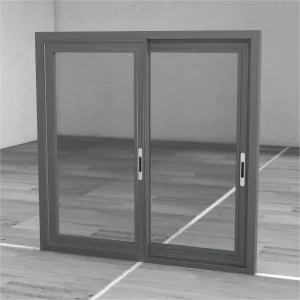
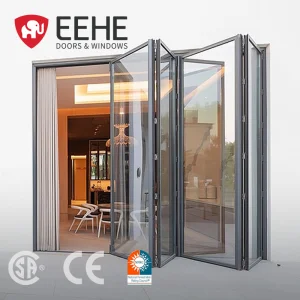
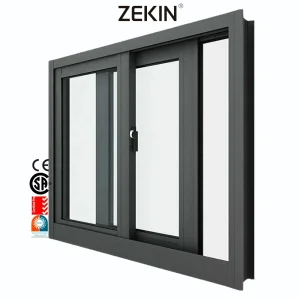
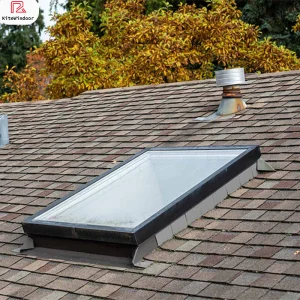
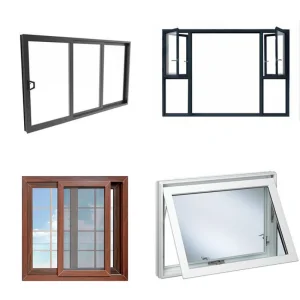
Explore our top-tier certified architectural solutions. These high-performance products are designed to seamlessly integrate with modern Aluminum Composite Panel (ACP) facades to establish cohesive, energy-efficient, and structurally sound building envelopes globally.
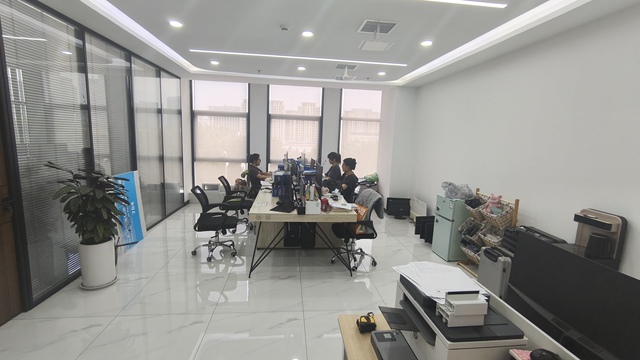
Established in 2011, Foshan ORM Windows Co., Ltd. is a leading professional manufacturer of high-performance architectural systems based in Foshan, Guangdong, China. Located in a global industrial hub for architectural aluminum production and materials engineering, the company designs, engineers, and fabricates comprehensive facade window envelopes and integrated structural panels for global commercial and residential applications.
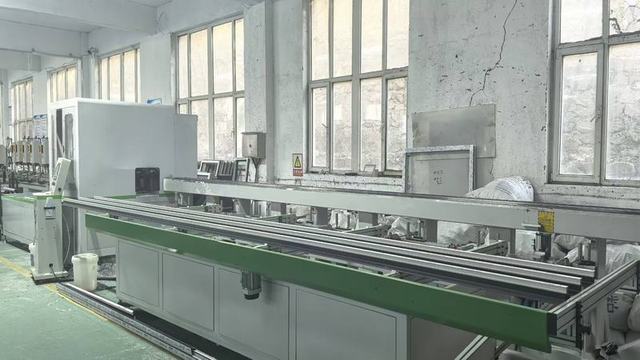
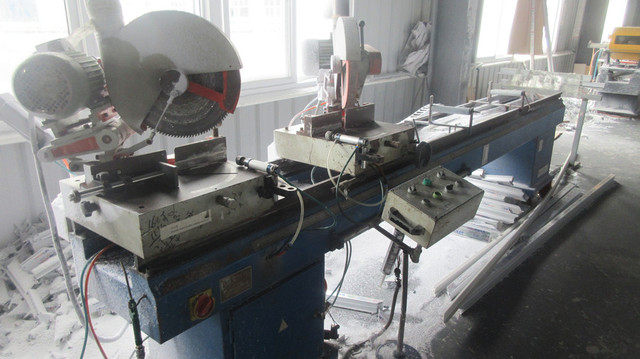
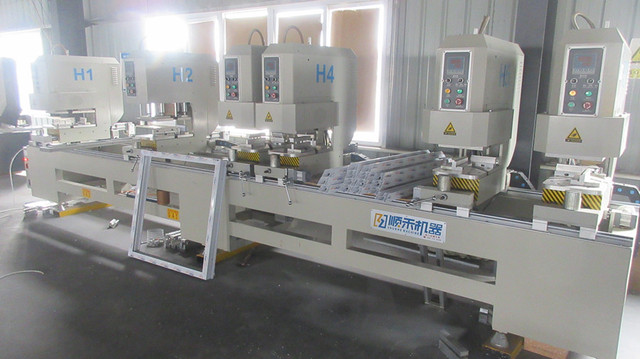
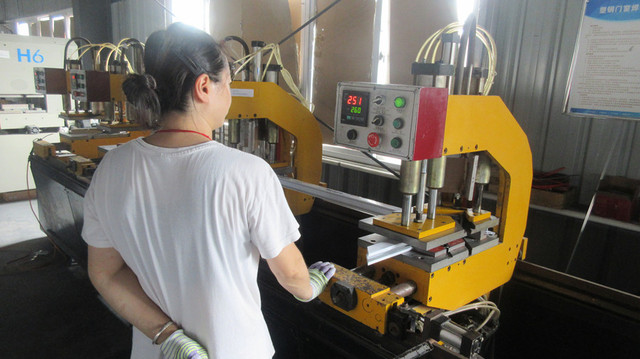
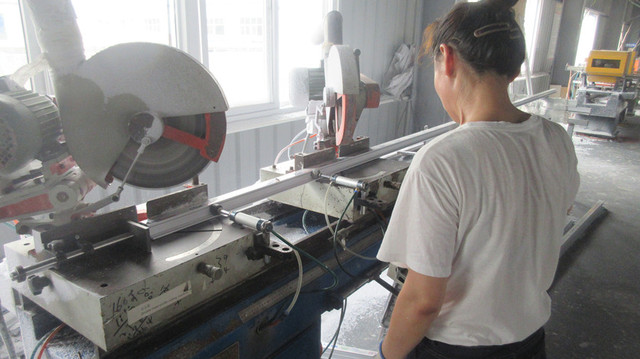
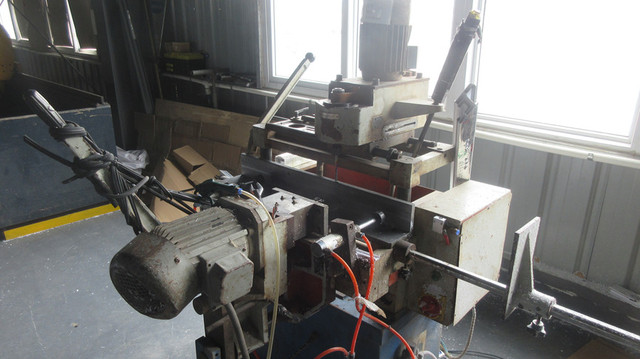
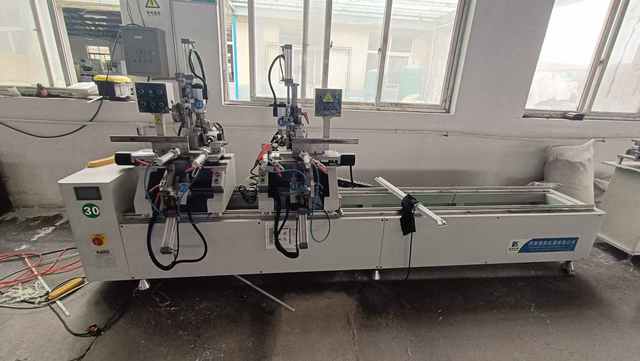
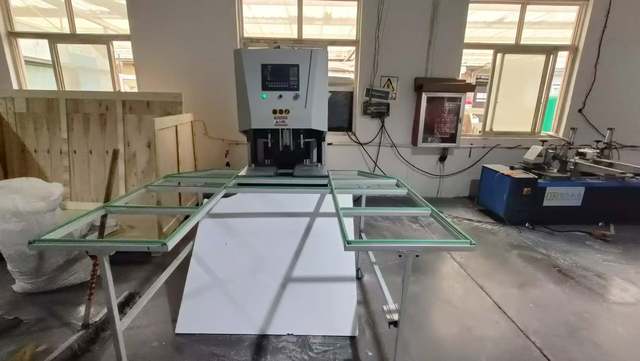
Our state-of-the-art facility spans more than 20,000 square meters, staffed by a dedicated team of over 280 highly skilled engineering and production professionals. Through strict adherence to quality assurance standards, ORM Windows integrates advanced CNC machining, high-capacity glazing assembly lines, and structural aluminum composite engineering to construct facade systems that satisfy stringent international safety regulations, including European CE certification, North American NFRC, and Australian AS2047 frameworks.
The contemporary architecture and construction sector is experiencing a paradigm shift. Today's global projects demand exterior cladding solutions that not only exhibit geometric precision but also address rising energy-efficiency demands and carbon footprint reductions. The technological evolution of Aluminum Composite Panels (ACP) represents a core advancement in modern building envelopes.
Global building regulations have shifted substantially toward fire-retardant (FR) and non-combustible panels. Standard polyethylene (PE) cores are increasingly restricted for mid-to-high-rise envelopes. The market is migrating to mineral-filled core components (Class B1 or Class A2) to prevent vertical fire propagation, certified via rigorous EN 13501-1 and ASTM E84 testing protocols.
Durability under extreme environmental stressors is a primary metric. Advanced Fluoropolymer coatings, including polyvinylidene fluoride (PVDF) formulated with Kynar 500 resins, and Fluoroethylene Vinyl Ether (FEVE) technologies, guarantee unparalleled resistance to UV radiation, atmospheric acidity, and corrosion, extending facade lifespans past 25 years.
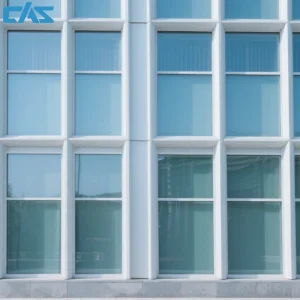
Architectural structures no longer treat windows and exterior cladding as separate entities. Modern design trends incorporate Aluminum Composite Panel systems alongside thermally-broken aluminum windows to construct a singular continuous thermal barrier, significantly reducing thermal bridging and cooling loads.
For commercial developers, facade engineering contractors, and volume distributors, procurement operations involve complex risk management. Evaluating global manufacturers for CE Certified Aluminum Composite Panels and window systems requires verifying structural integrity, compliance consistency, and supply chain logistics.
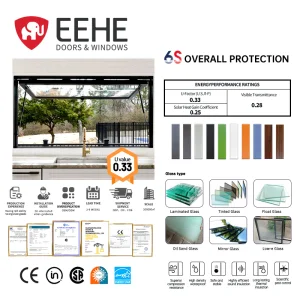
Procurement teams operating within the European Economic Area (EEA) must verify CE Marking under EN 14351-1 (for exterior door/window configurations) and EN 13501-1 fire safety certifications. Our compliance documentation provides full transparency on mechanical structural calculations, wind load limits, and thermal transmittance rates (U-values).
Foshan ORM Windows Co., Ltd. maintains robust verification processes throughout our production cycle, inspecting raw alloy batches, analyzing chemical formulations of fluoropolymer coatings, checking glass assembly tolerances, and executing pressure seal assessments to ensure consistent build quality.
Customized wooden crating, specialized anti-scratch protective films, and space-optimized container loading schemes prevent transit damages over long ocean voyages, protecting structural components and surface finishes and ensuring they arrive ready for immediate installation.
Architectural harmony and long-term durability require coordinating exterior panel materials with window assemblies. ORM Windows addresses this by offering matching profiles, structural alignment guidance, and integrated thermal insulation solutions.
| Building Typology | Primary Technical Challenges | Integrated System Configuration | Compliance Standards Met |
|---|---|---|---|
| High-Rise Commercial Facades | Wind pressures, structural expansion, thermal insulation, fire protection. | Class A2 fire-rated mineral-core ACP + high-span curtain wall windows. | CE EN 13501-1, ASTM E84, NFRC |
| Coastal Residential Complexes | Salt-spray corrosion, high-velocity hurricane impact zone requirements. | Heavy-gauge fluoropolymer (PVDF) coated ACP + impact-resistant double-glazed windows. | AS2047, Hurricane Certification |
| Public Infrastructure & Transits | Extremely high pedestrian wear, structural vibration, acoustic isolation. | Thick alloy skin panels (0.5mm AL / 4mm total) + acoustic dampening laminated glazing. | Acoustic performance ISO 10140 |
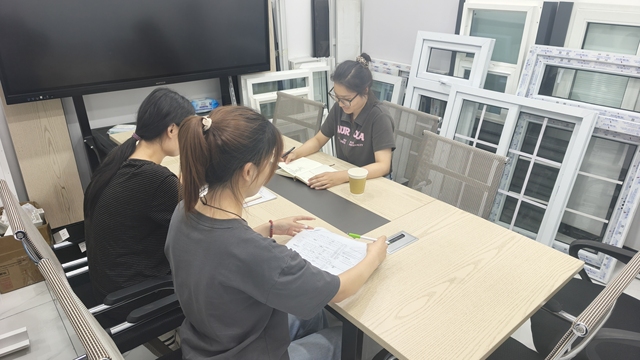
Navigating regional building codes is a key challenge for global builders. Foshan ORM Windows Co., Ltd. provides comprehensive engineering, shop drawing review, and product localization support to align every order with regional construction site requirements.
We provide comprehensive declaration of performance (DoP) documents, covering air permeability, water tightness, wind resistance, load-bearing capacities of safety devices, and thermal transmittance properties across all custom projects.
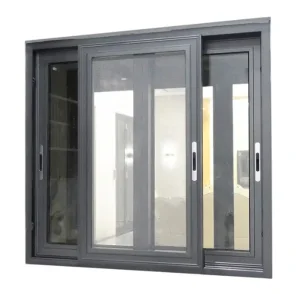
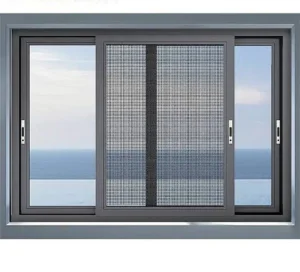
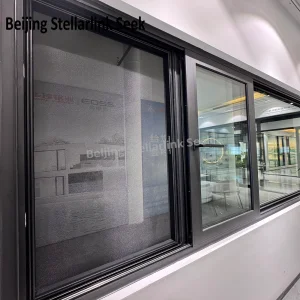
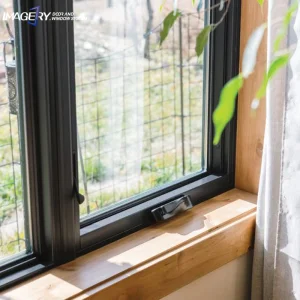
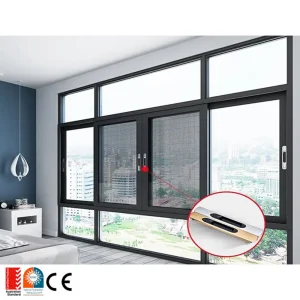
Our specialized Australian product line features certified double-glazed sliding and awning windows designed to withstand the harsh UV index and structural requirements of local design regulations.
Engineered with high-performance thermal breaks and low-emissivity (Low-E) insulated glass units, our window assemblies help projects meet local ASHRAE energy performance guidelines.
Our research and development pipeline addresses key sustainability and functional requirements, focusing on carbon emission reductions, material circularity, and smart-building integration.
We are increasing the proportion of post-consumer recycled aluminum within our extrusion profiles and panel cores. This initiative helps developers reduce embodied carbon metrics and earn points toward LEED and BREEAM certifications.
Our engineering team is testing bio-based PVDF resin alternatives and self-cleaning hydrophilic surface treatments. These coatings wash away particulate contaminants during rainfall, lowering maintenance costs for high-rise commercial structures.
We are developing interfaces to combine thin-film photovoltaic elements directly with our structural cladding profiles and frame components, turning static building envelopes into active energy generation systems.
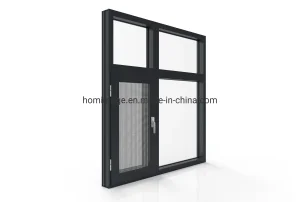
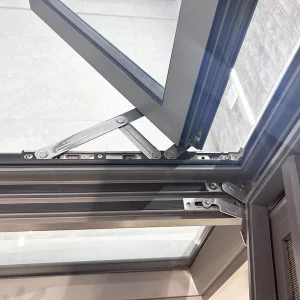
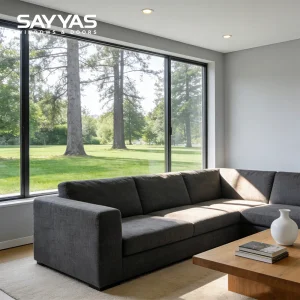
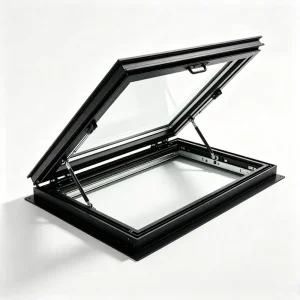
Complete your building envelope project with our specialized, high-performance window designs, manufactured using premium aluminum alloys, advanced thermal breaks, and durable hardware options.
Get answers to critical technical questions regarding ACP cladding, aluminum performance ratings, and compliance requirements for international projects.
Our 20,000-square-meter facility in Foshan integrates heavy-duty aluminum extrusion presses, precision CNC machining centers, automated double-glazing lines, and QA testing rooms to ensure structural integrity across every production run.
 ORM Windows